LR/Instagram is an unofficial publish plugin for Lightroom, allowing you to post photos directly to your Instagram account.
LR/Instagram is an unofficial publish plugin for Lightroom, allowing you to post photos directly to your Instagram account.
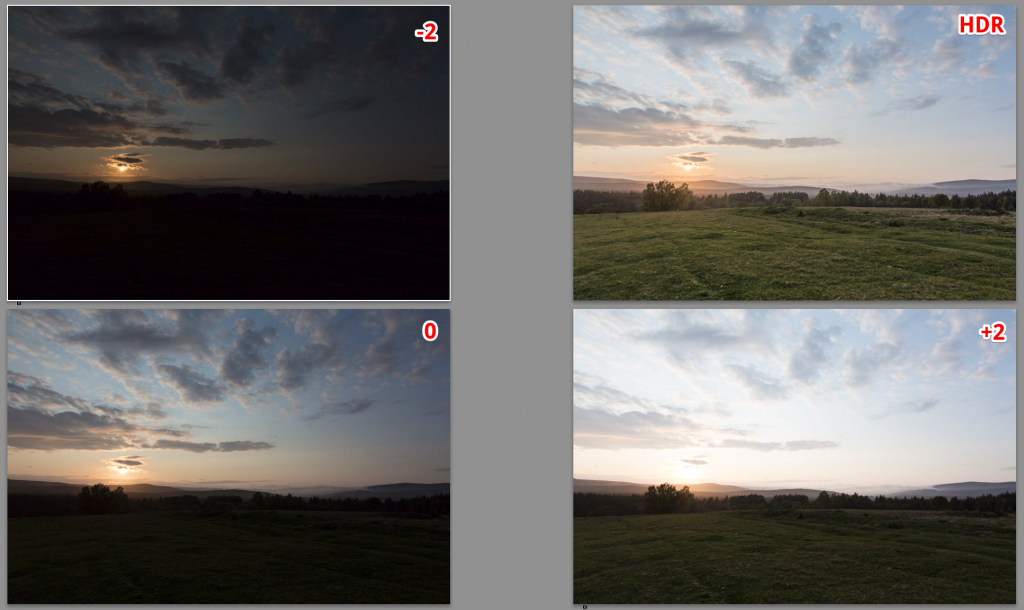
Une des deux images ci-dessous est le résultat d’une fusion HDR sans tone mapping de 3 photos à -2/0/+2.
L’autre est la photo sans correction (0).
Les deux images ont été traitées en Lightroom.
Il va sans dire que les photos sont en RAW ce qui permet un rattrapage spectaculaire de la sous-exposition.
Une préférence ? Pas de différence ?
Dans ce cas particulier la dynamique de la scène ne nécessitait pas à mon avis le recours au HDR.
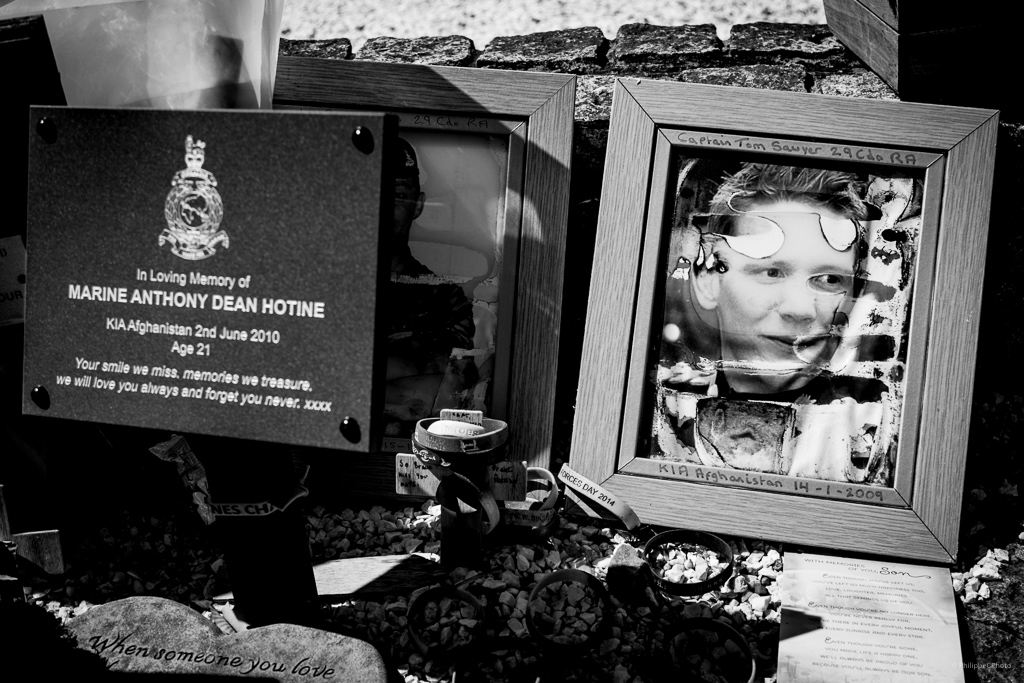
Je n’ai pas d’avis sur le bien-fondé ou l’absurdité des guerres. J’ai juste été touché en voyant que bon nombre des soldats tués avaient plus ou moins l’age de mon fils …
The Commando Memorial is a Category A listed monument in the United Kingdom, dedicated to the men of the original British Commando Forces raised during World War II. Situated around a mile from Spean Bridge village, it overlooks the training areas of the Commando Training Depot established in 1942 at Achnacarry Castle. Unveiled in 1952 by the Queen Mother, it has become one of the United Kingdom’s best-known monuments, both as a war memorial and as a tourist attraction offering views of Ben Nevis and Aonach Mòr. (Source : Wikipedia)
J’ai soumis les 5 photos ci-dessous pour compléter l’album collectif qui sera réalisé par le club Viewfinders, dont je suis membre, suite à la sortie photo dans les Marolles.
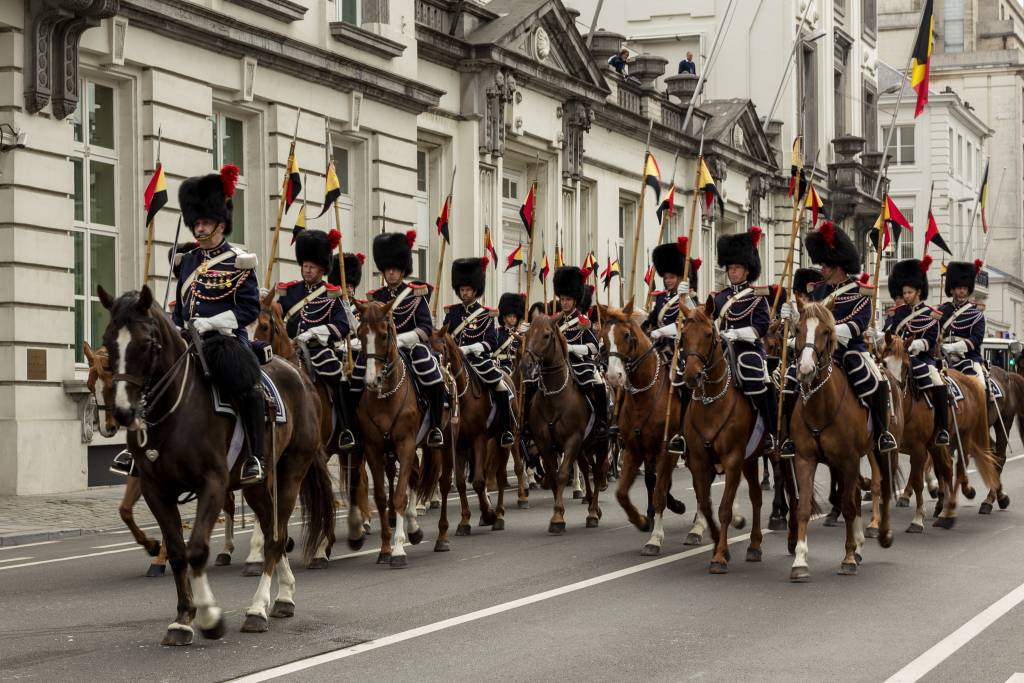
Préparation et sortie de l’Escorte Royale en l’honneur du roi de Jordanie en visite à Bruxelles.
Un superbe moment !
J’ai été impressionné par la fierté et la passion, sans parler de la complicité entre le cavalier et son cheval, qui se dégageait tout au long de la préparation et de la prestation.
Un grand merci à Dominique P pour cette invitation et aux responsables pour avoir autorisé notre présence.
Voir également les photos prises par Patrice N et Dominique P …

L’ensembles des images :

Je participerai à l’exposition collective organisée par le collectif d’artistes ARS VARIA qui se tiendra du 12/5/2016 au 5/6/2016 à la galerie Passerelle Louise.
Si vous en avez l’occasion je serai heureux de prendre un verre avec vous lors du vernissage : Jeudi 12/5 à partir de 18h.
J’assurerai la permanence à l’exposition le samedi 14/5 de 14-18h.
Vernissage : Jeudi 12/5 à partir de 18h
Nocturne : Vendredi 27/5 de 20h à 24h
Lieu : Galerie Passerelle – Rue Dejoncker 34 – 1060 Bruxelles
Parking : Louise Village
Métro : Louise
Plus d’informations sur le site d’ARS VARIA …
Le vernissage sur Facebook …
J’exposerai les photos ci-dessous.
Si vous souhaitez acquérir une de mes photographies je vous propose deux manières de procéder pendant la durée de l’exposition.
Toutes mes photographies sont limitées à 7 tirages et une épreuve d’artiste (EA).
Je suis bien entendu à votre disposition pour toute information à ce sujet.
Cliquer sur la photo pour visualiser toutes les informations.
My picture of La Defense is one of the five pictures selected by the participants, amongst the 40 pictures presented, during the April’s Challenge « Shadows, Silhouettes and Reflections ».
Our next Viewfinder’s meeting on 20 April is devoted to
our first Challenge of 2016 and the topic is Shadows,
Silhouettes and Reflections.
We are happy to have three distinguished judges for
this Challenge: Bart Ramakers, http://
www.bartramakers.com, a famous Belgium photographer,
professional photographer Tim Buelens and Steve
Johns, our former Vice President.
The inspiration and rules for the Challenge can be found
at:
https://sites.google.com/site/viewfindersbe1/news/
aprilchallengeguidelinesavailable-1