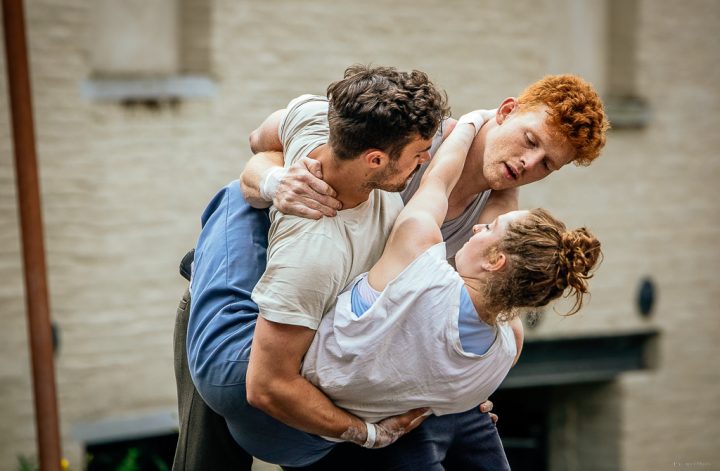
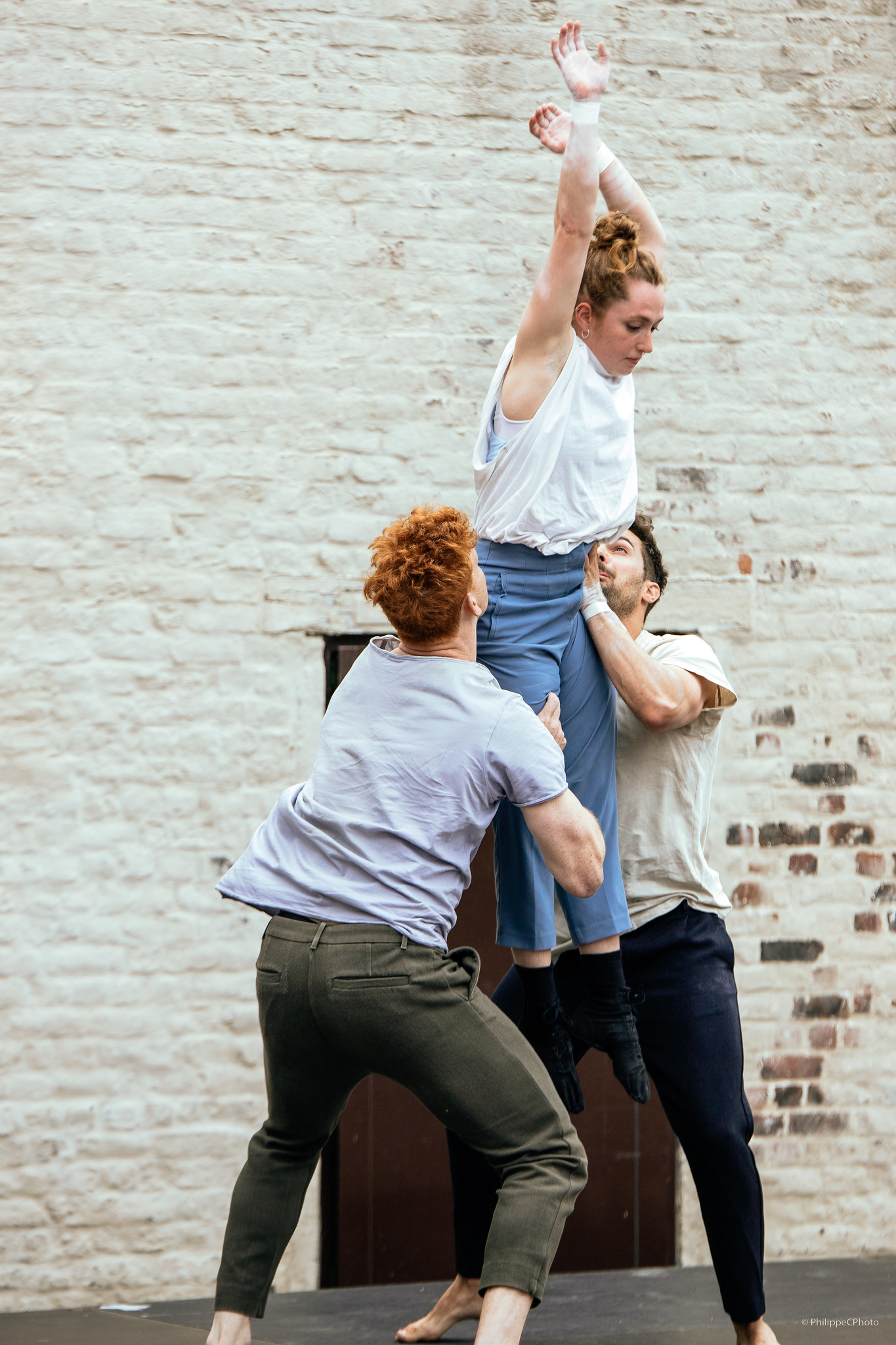
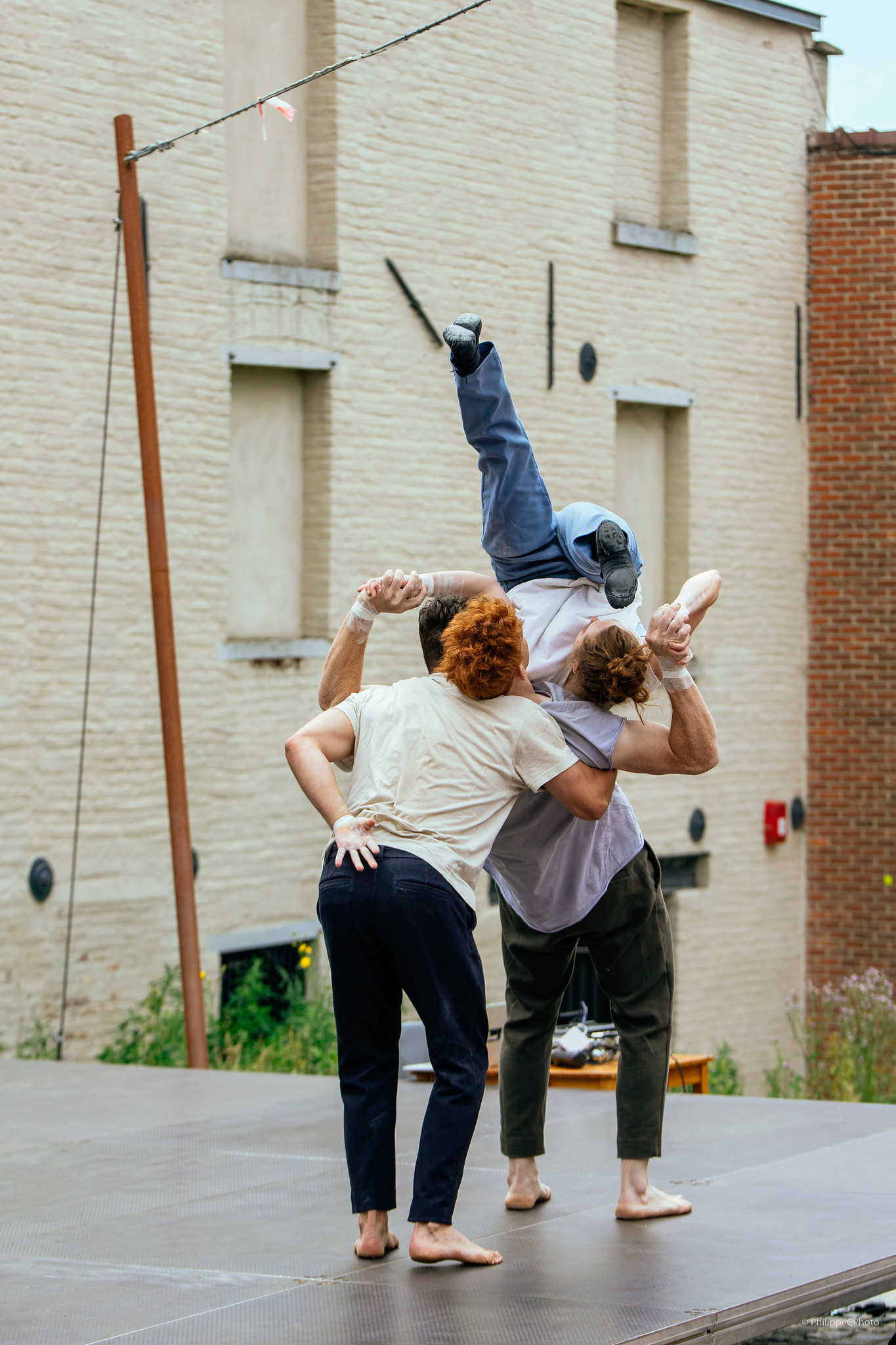
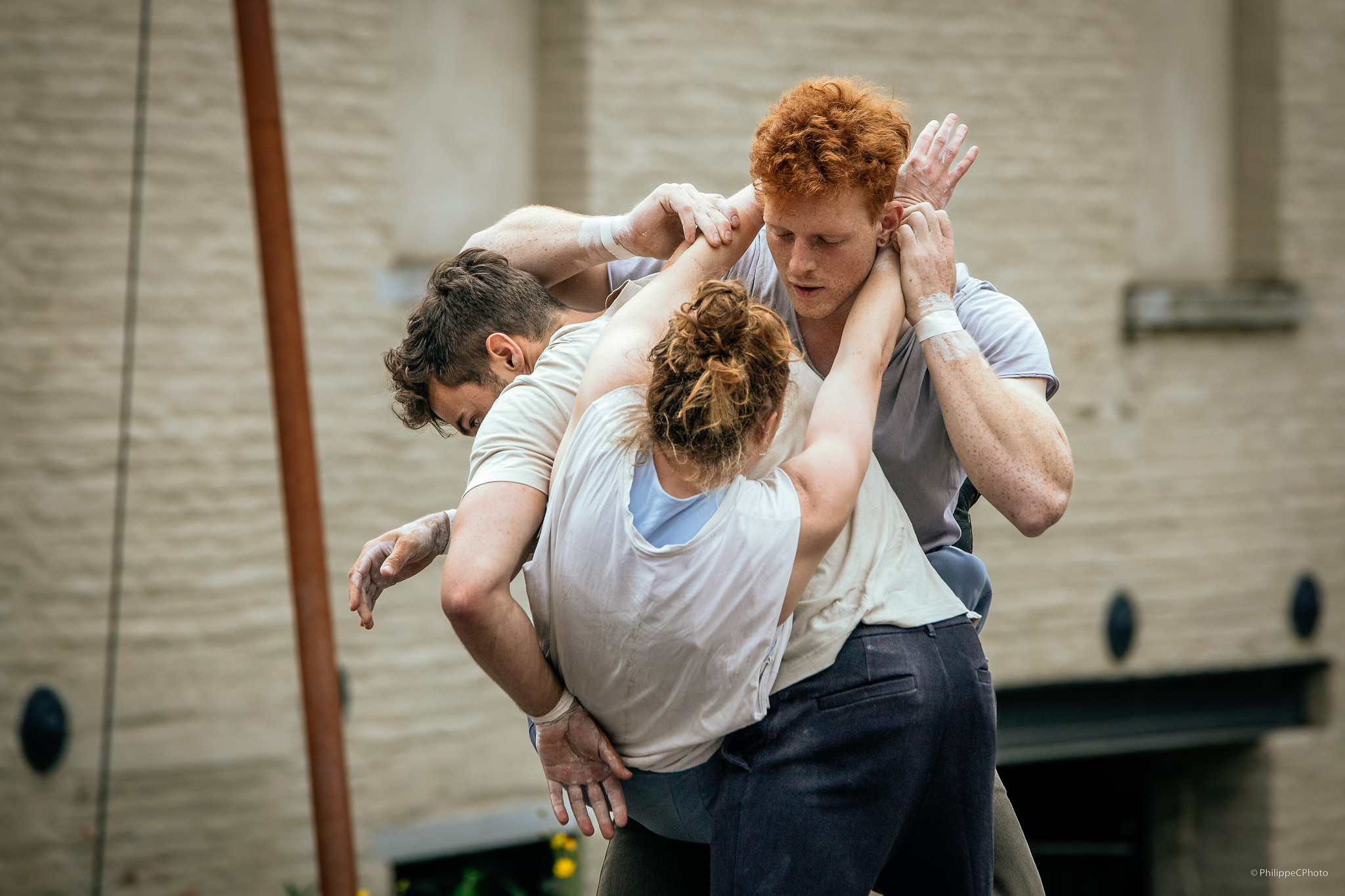
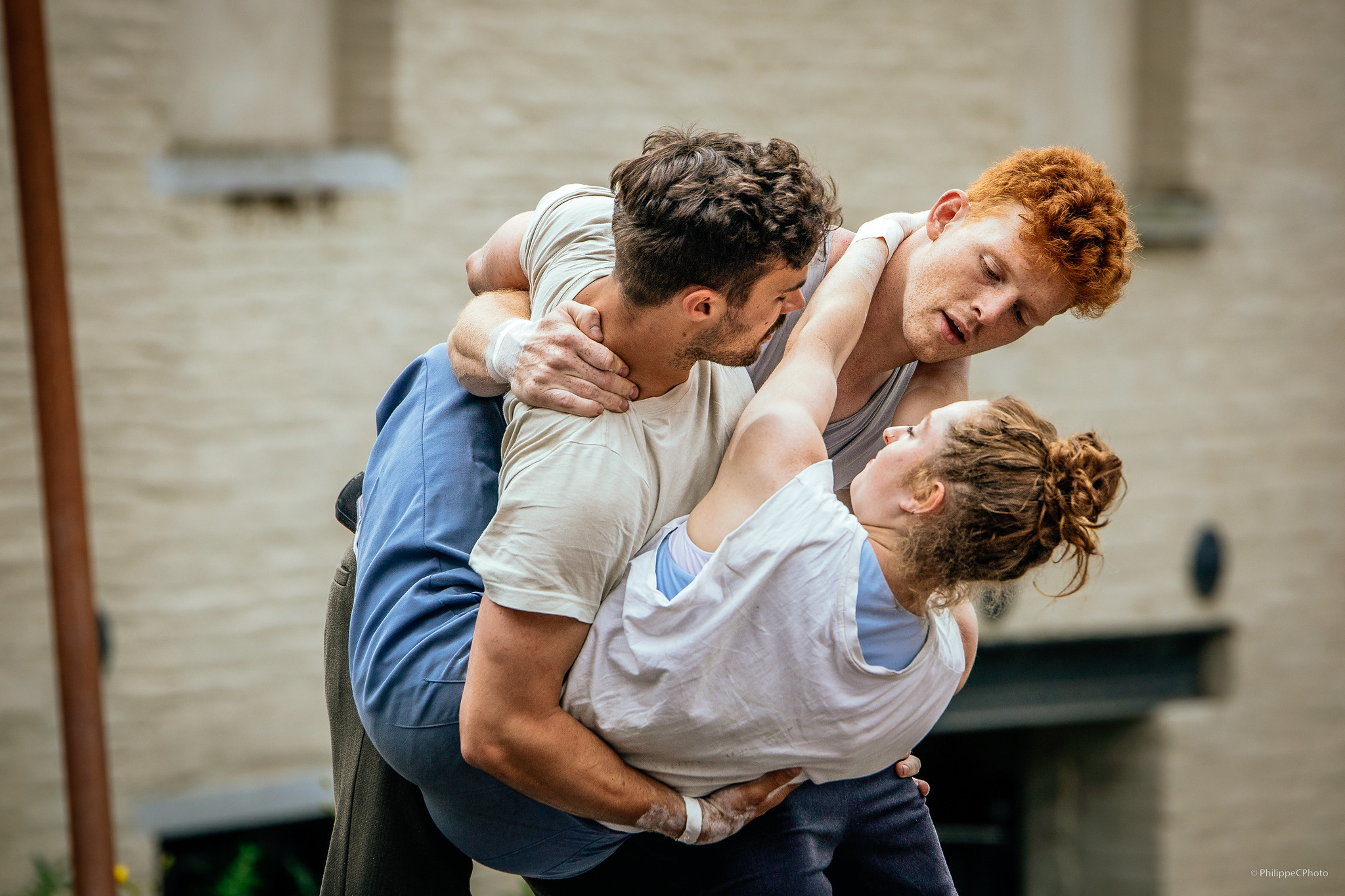
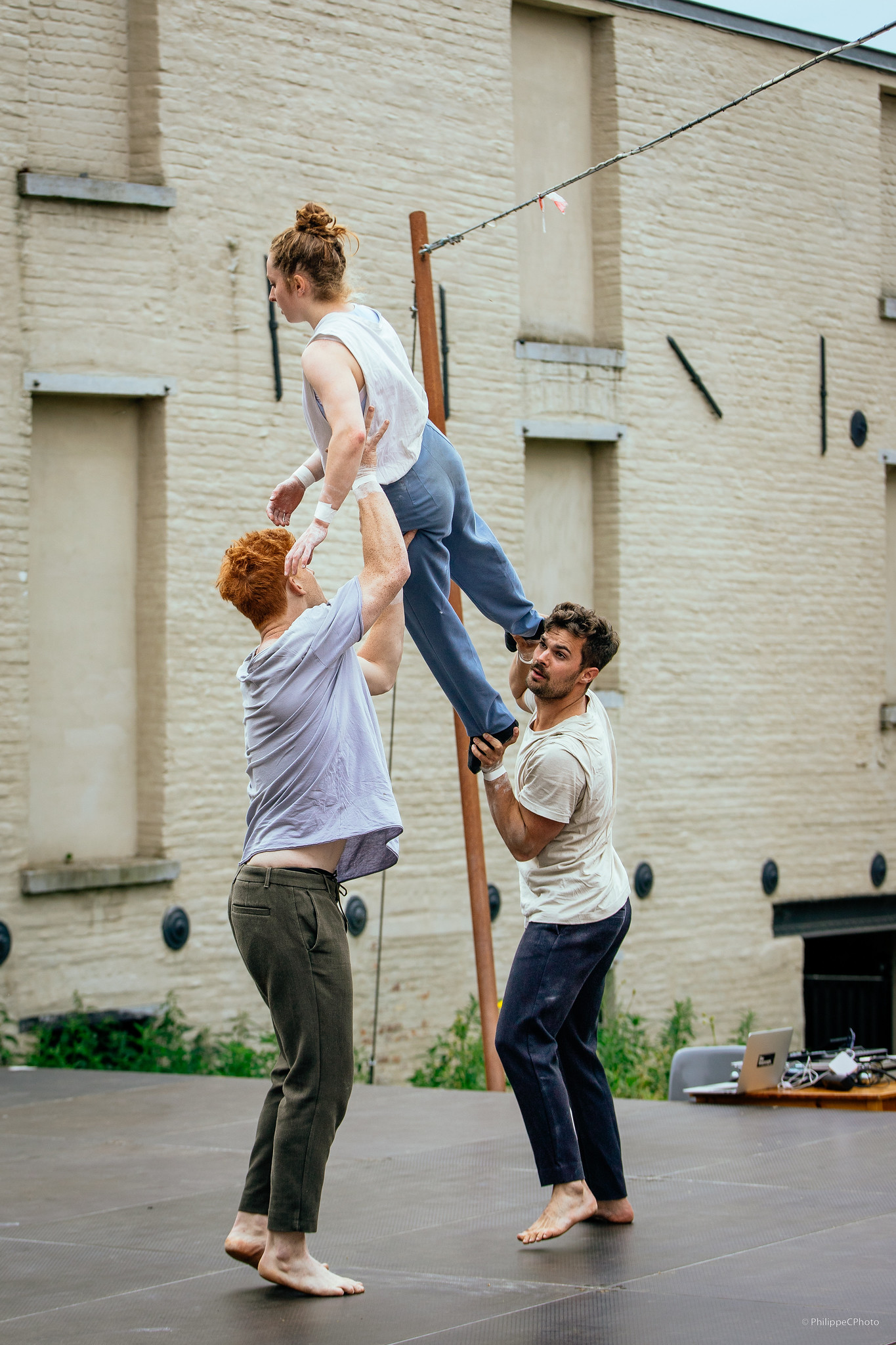
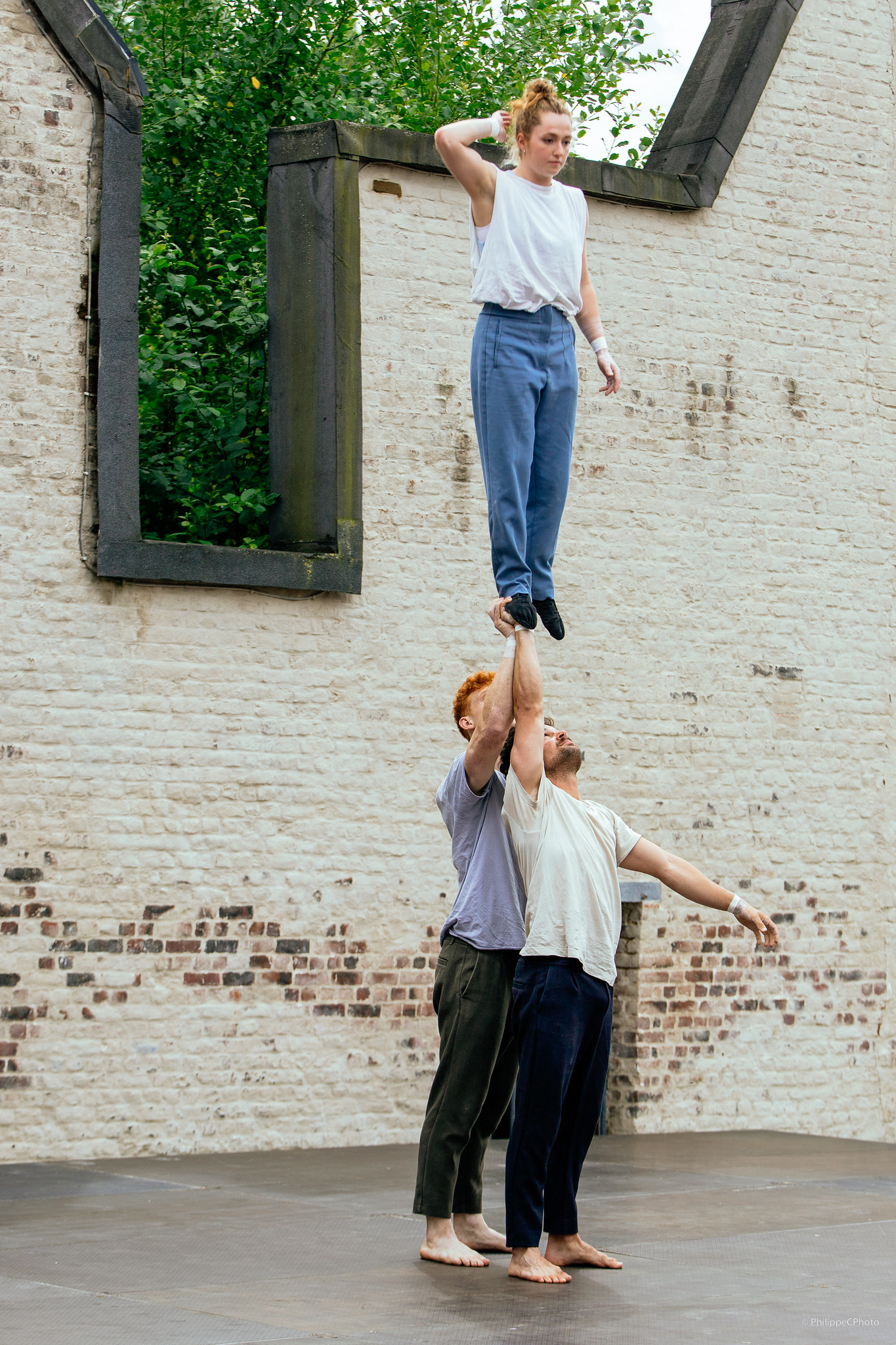
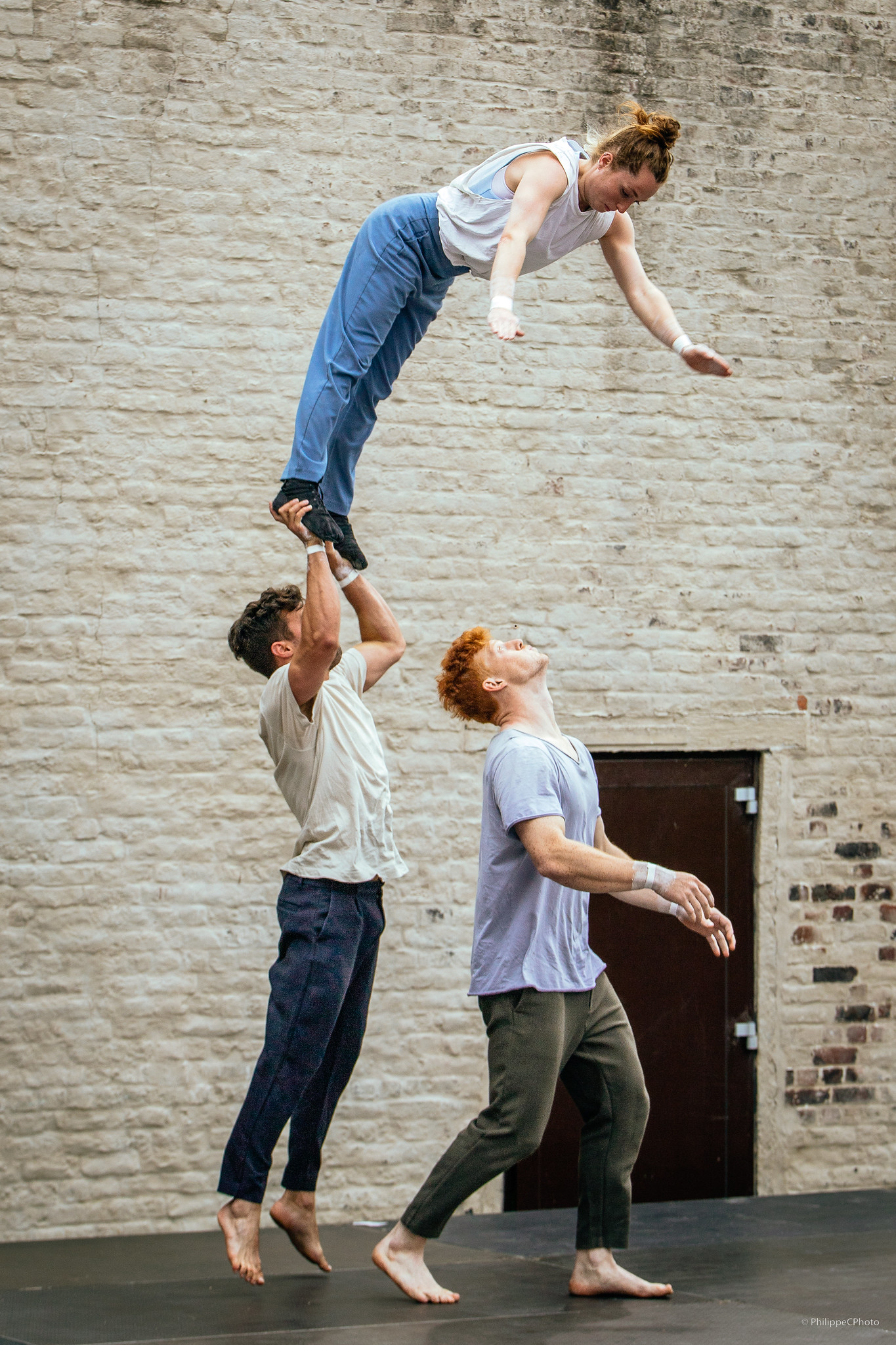
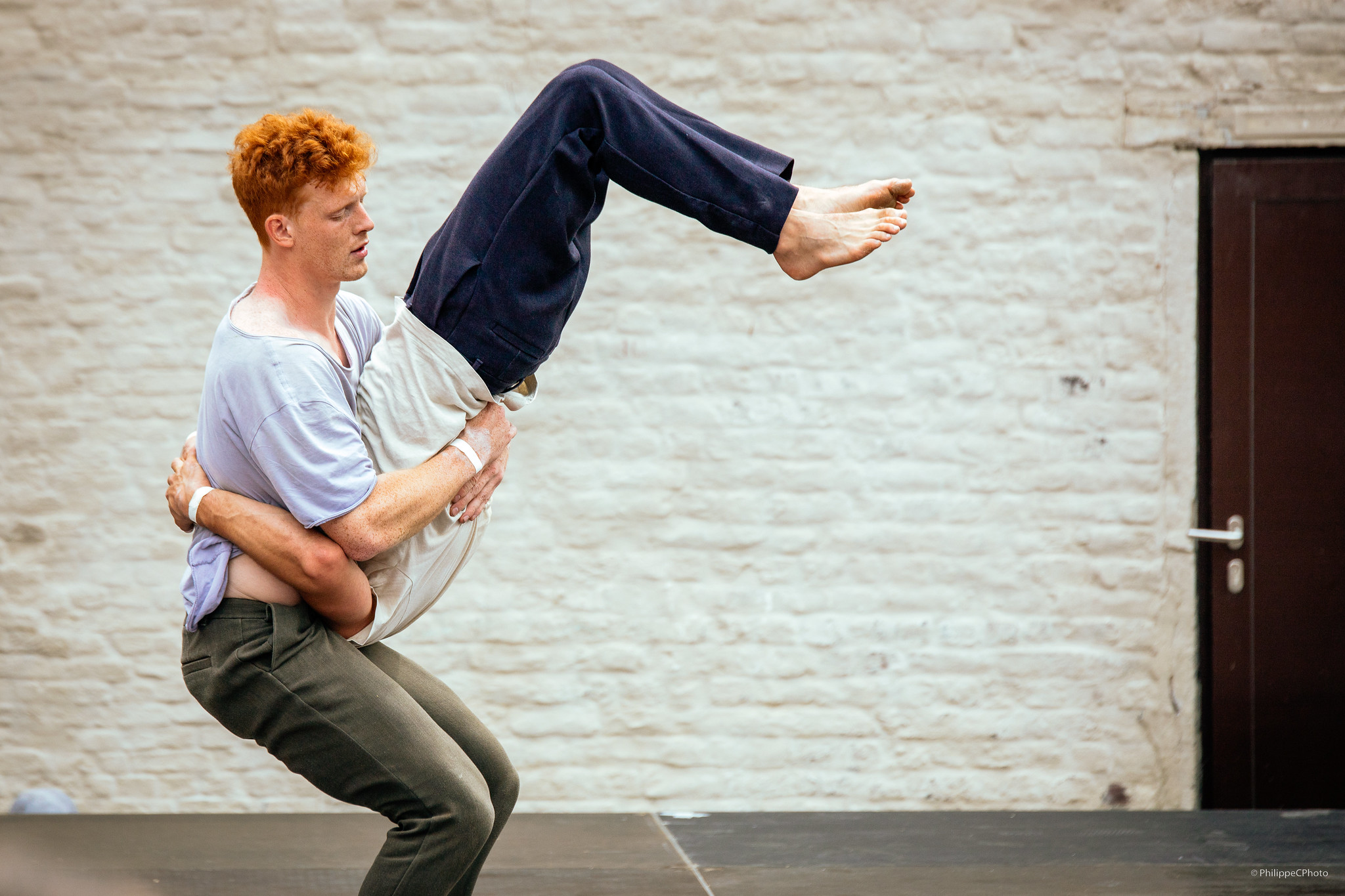
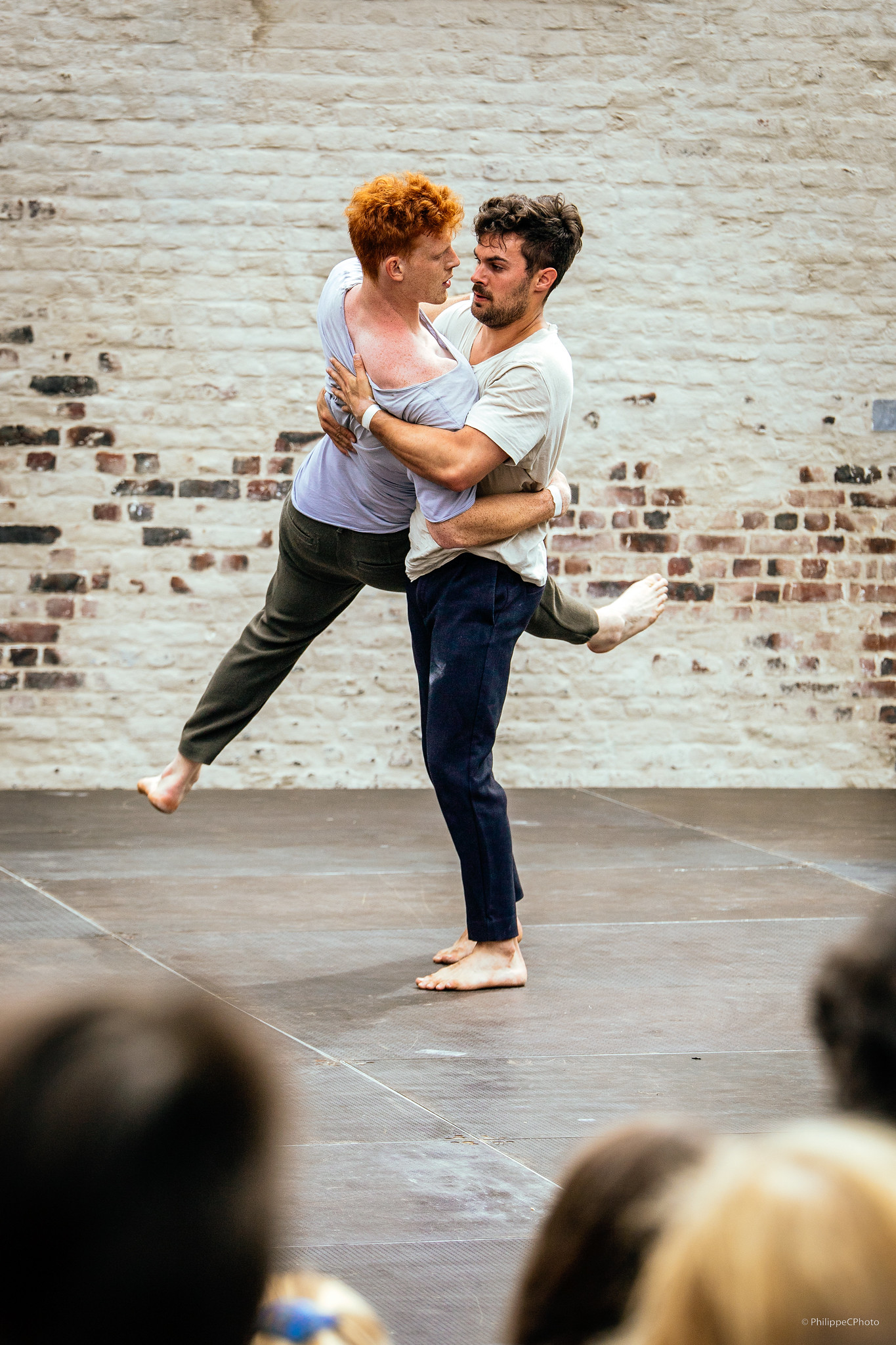
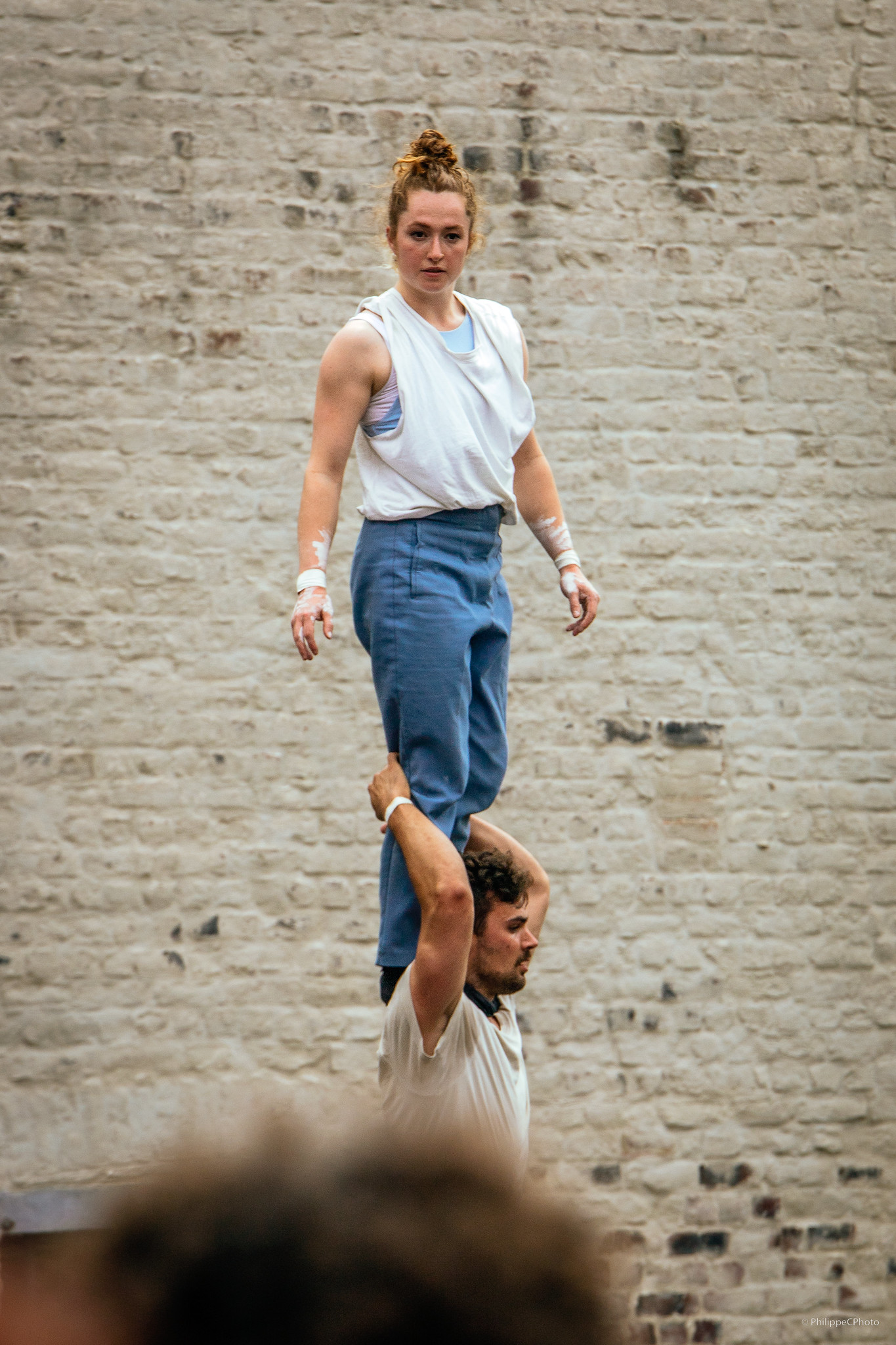
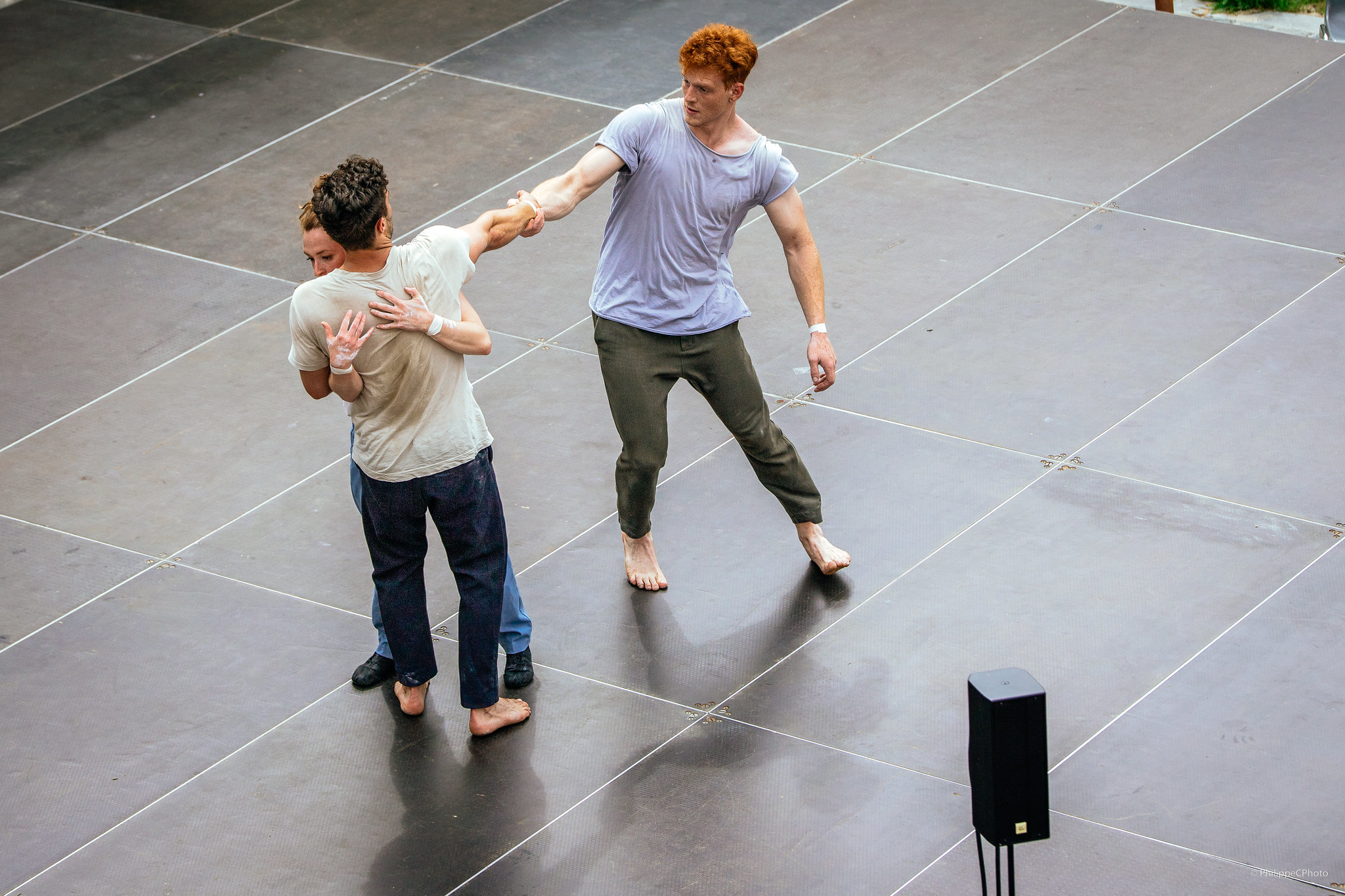
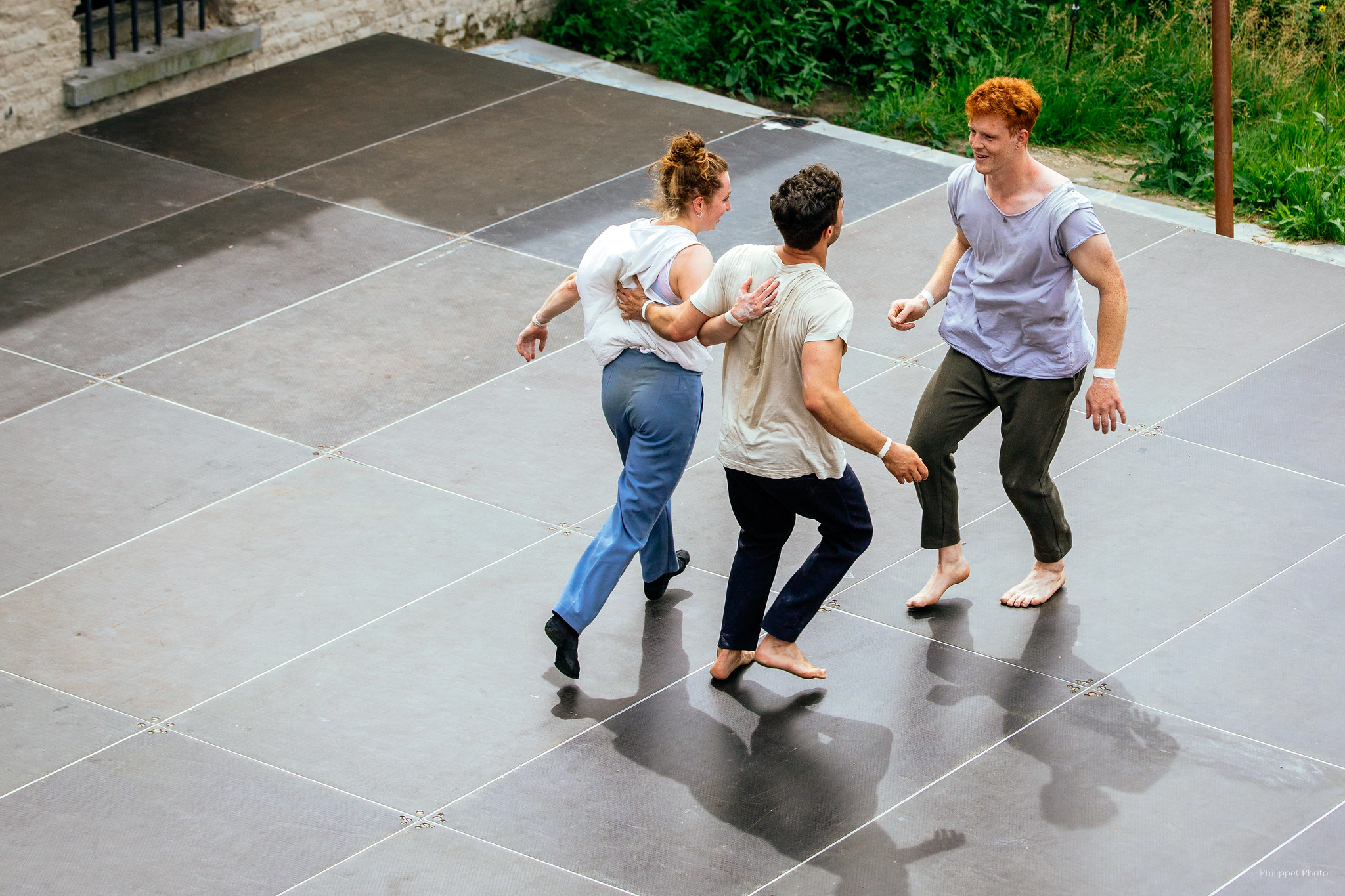
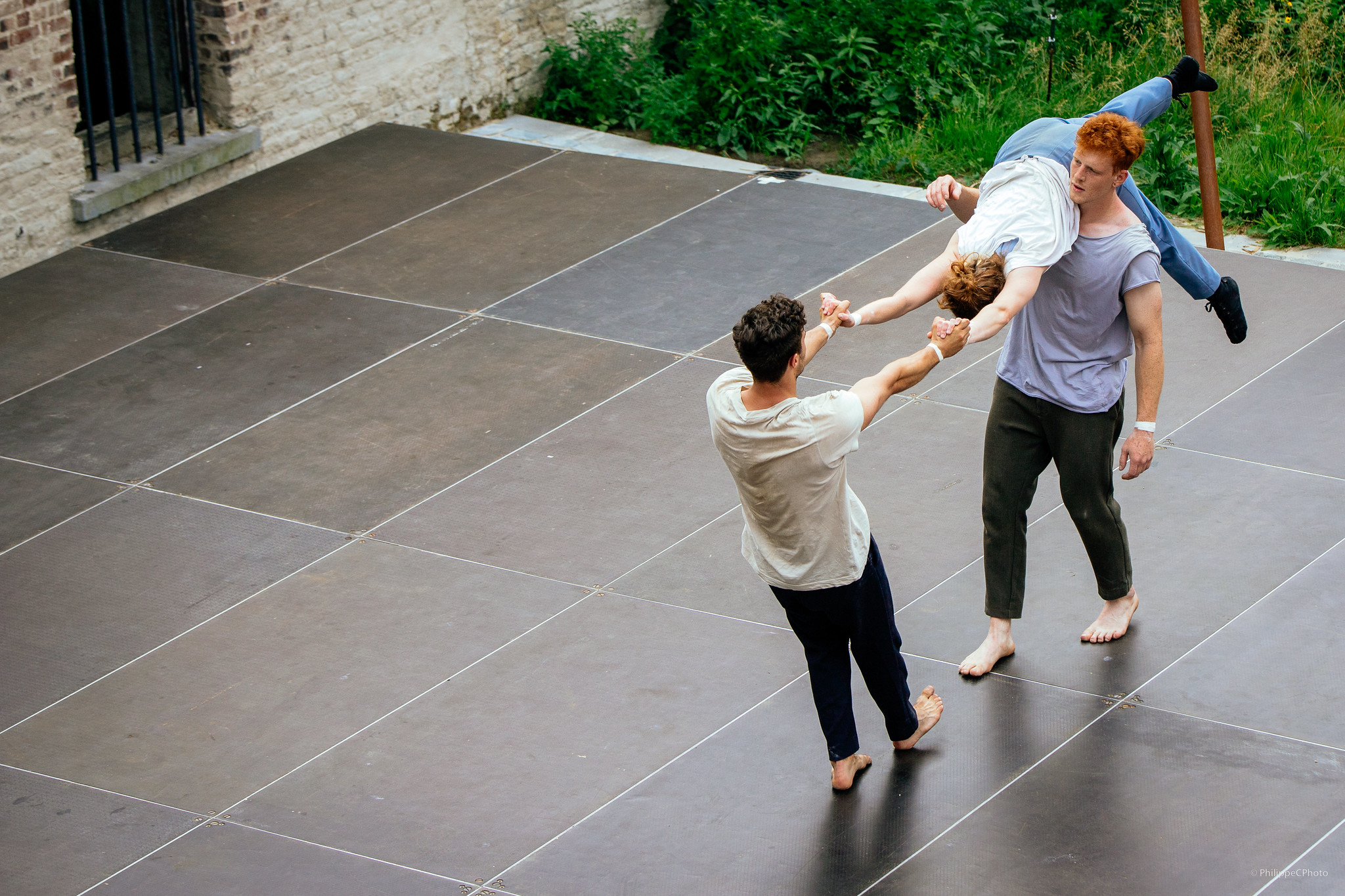
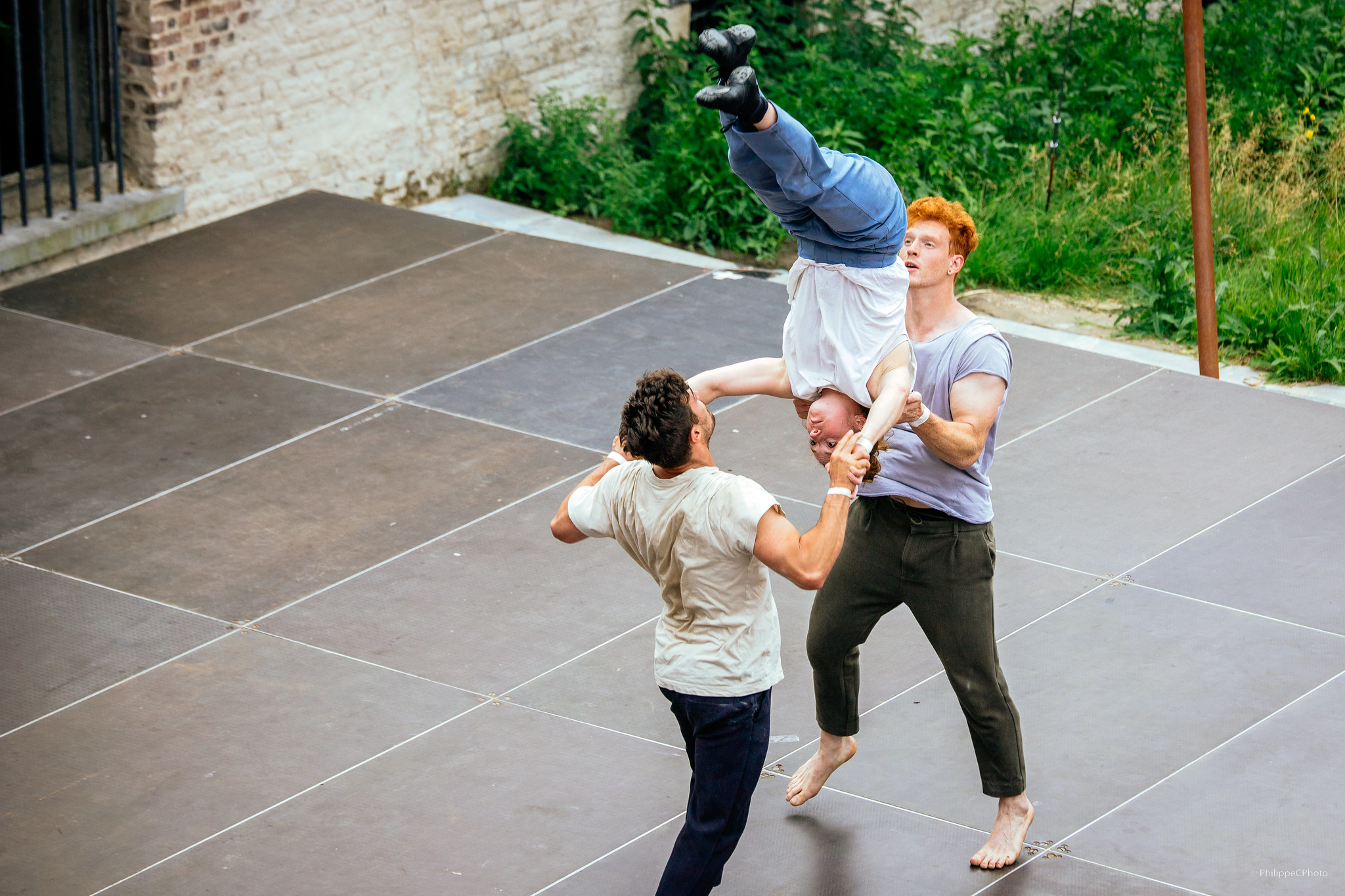
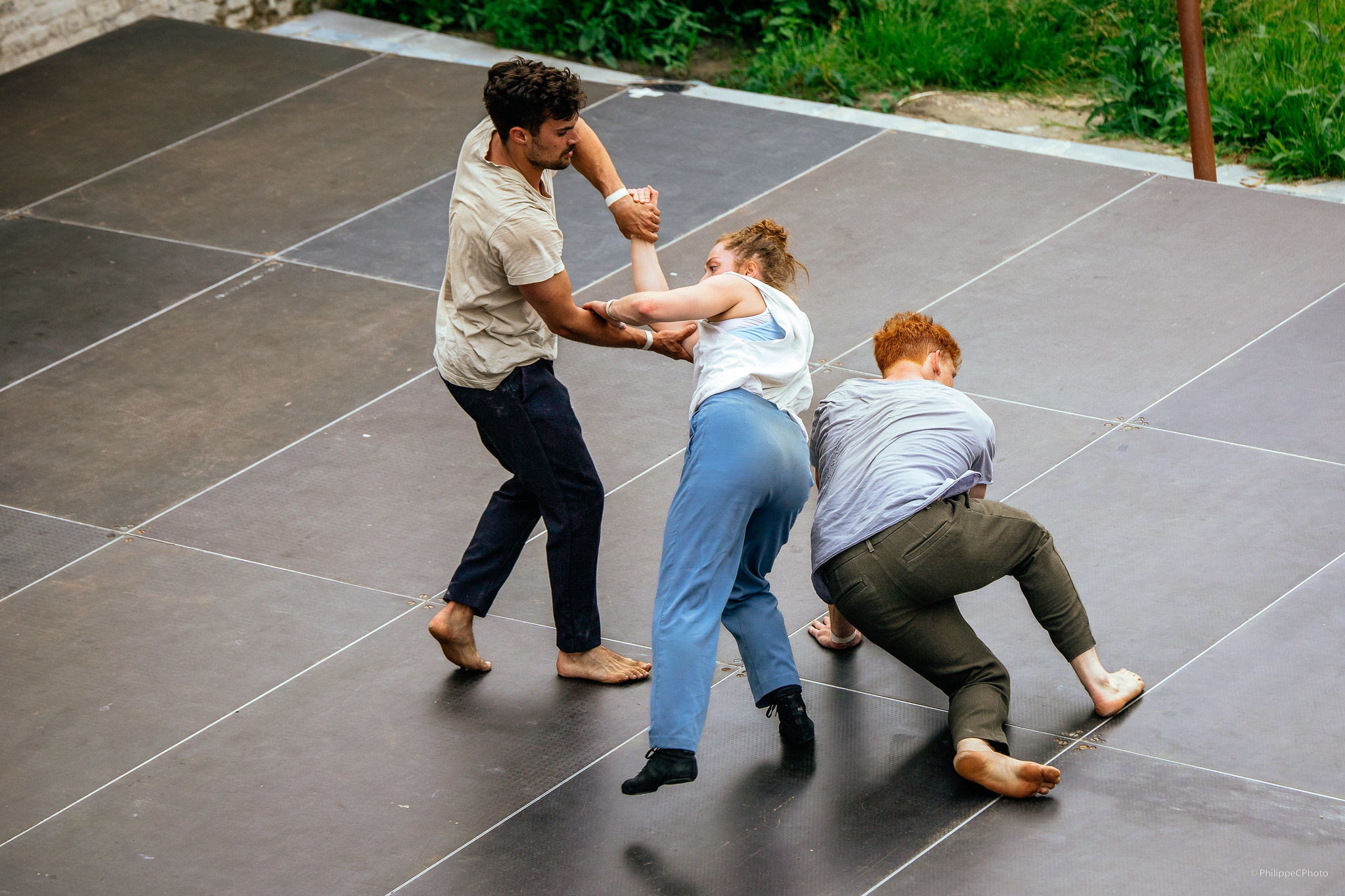
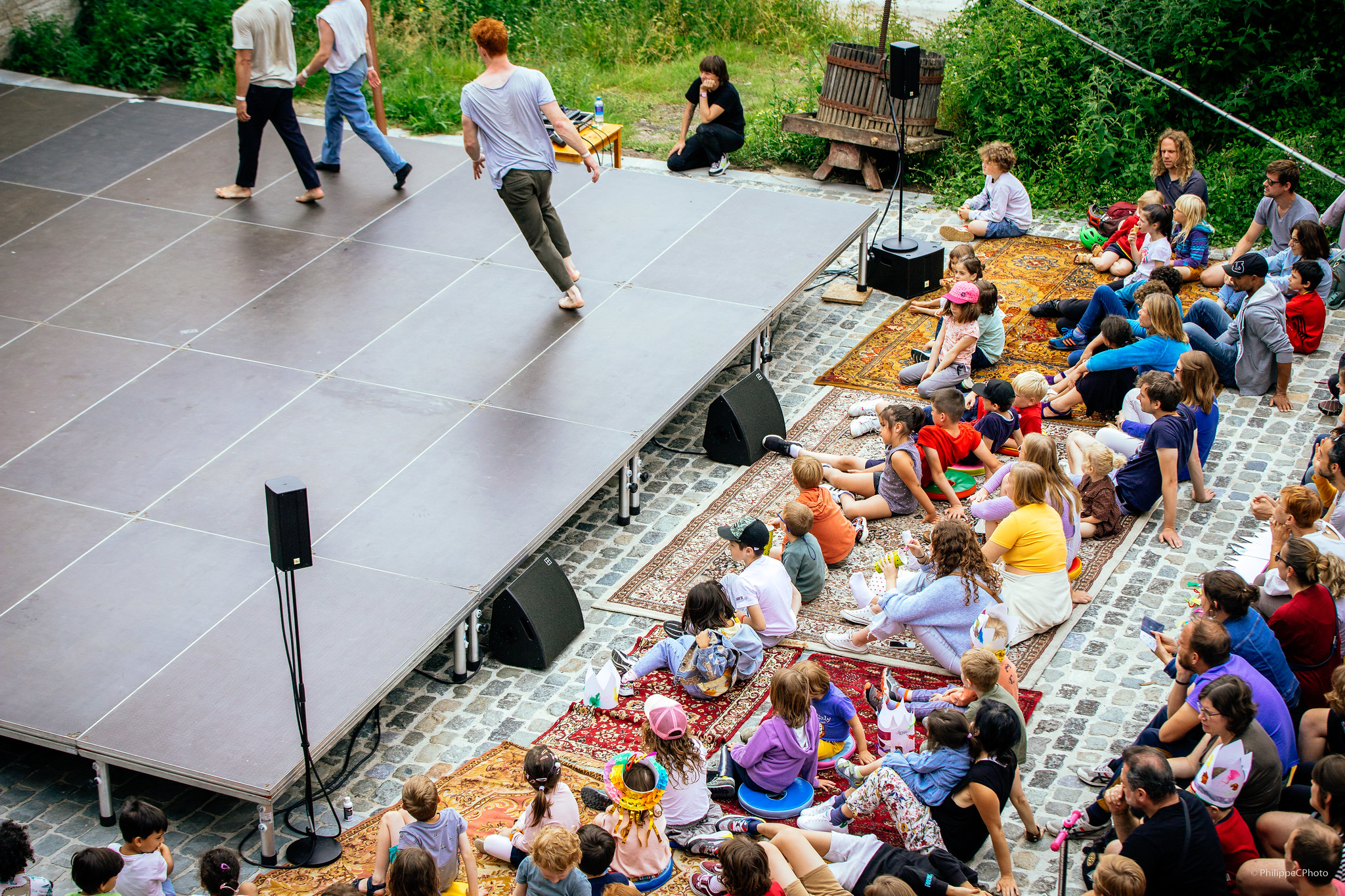
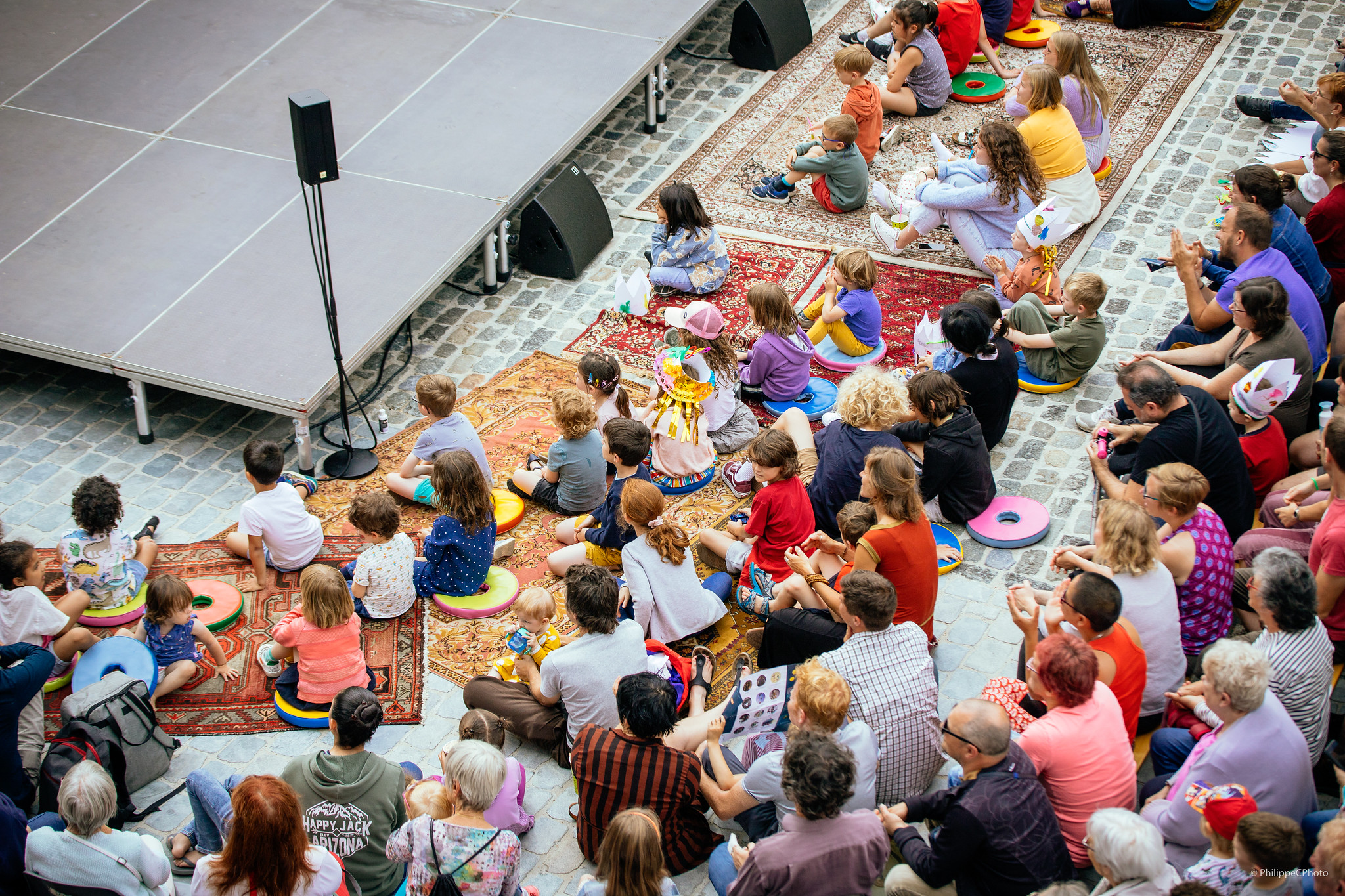
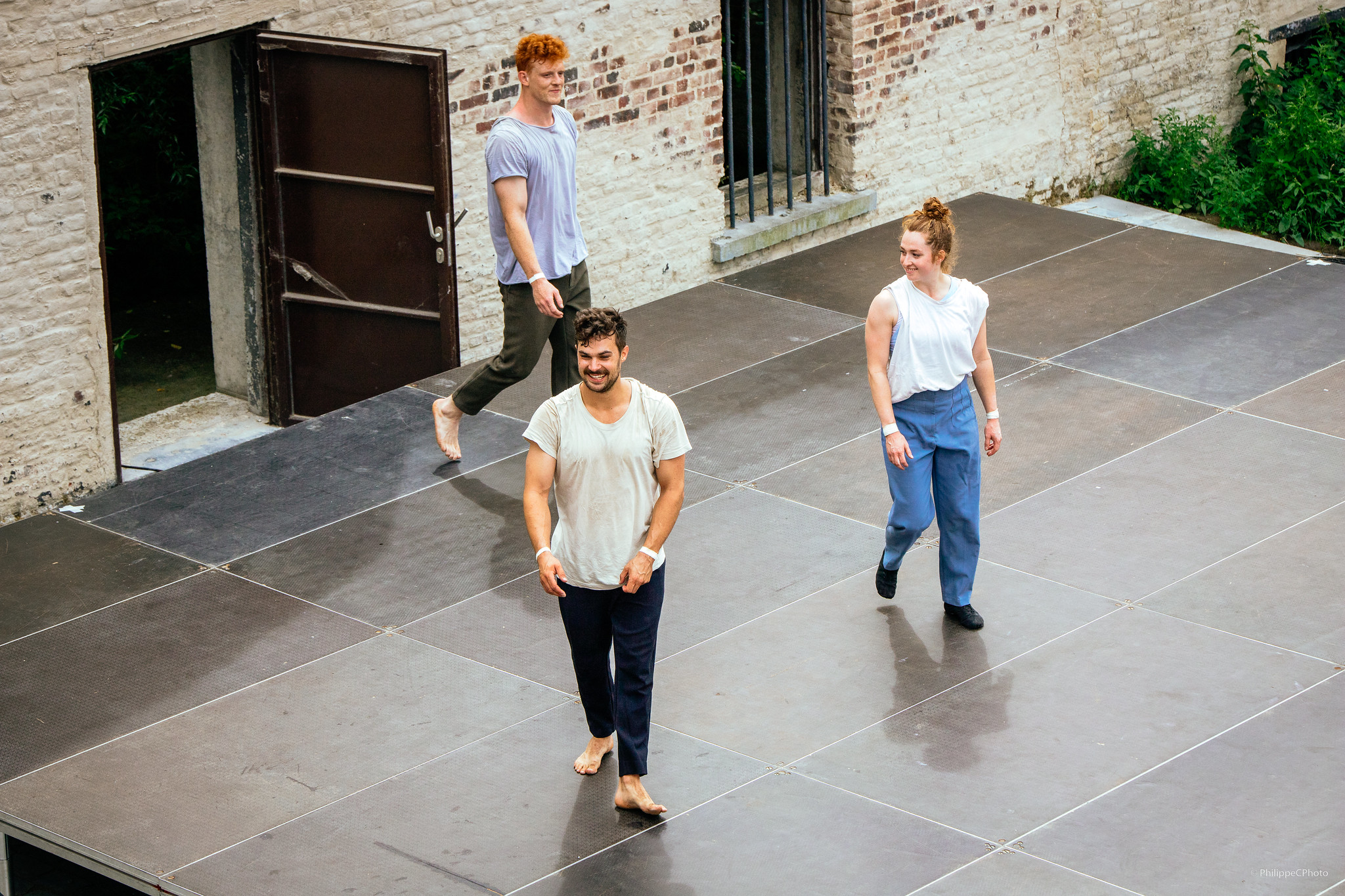
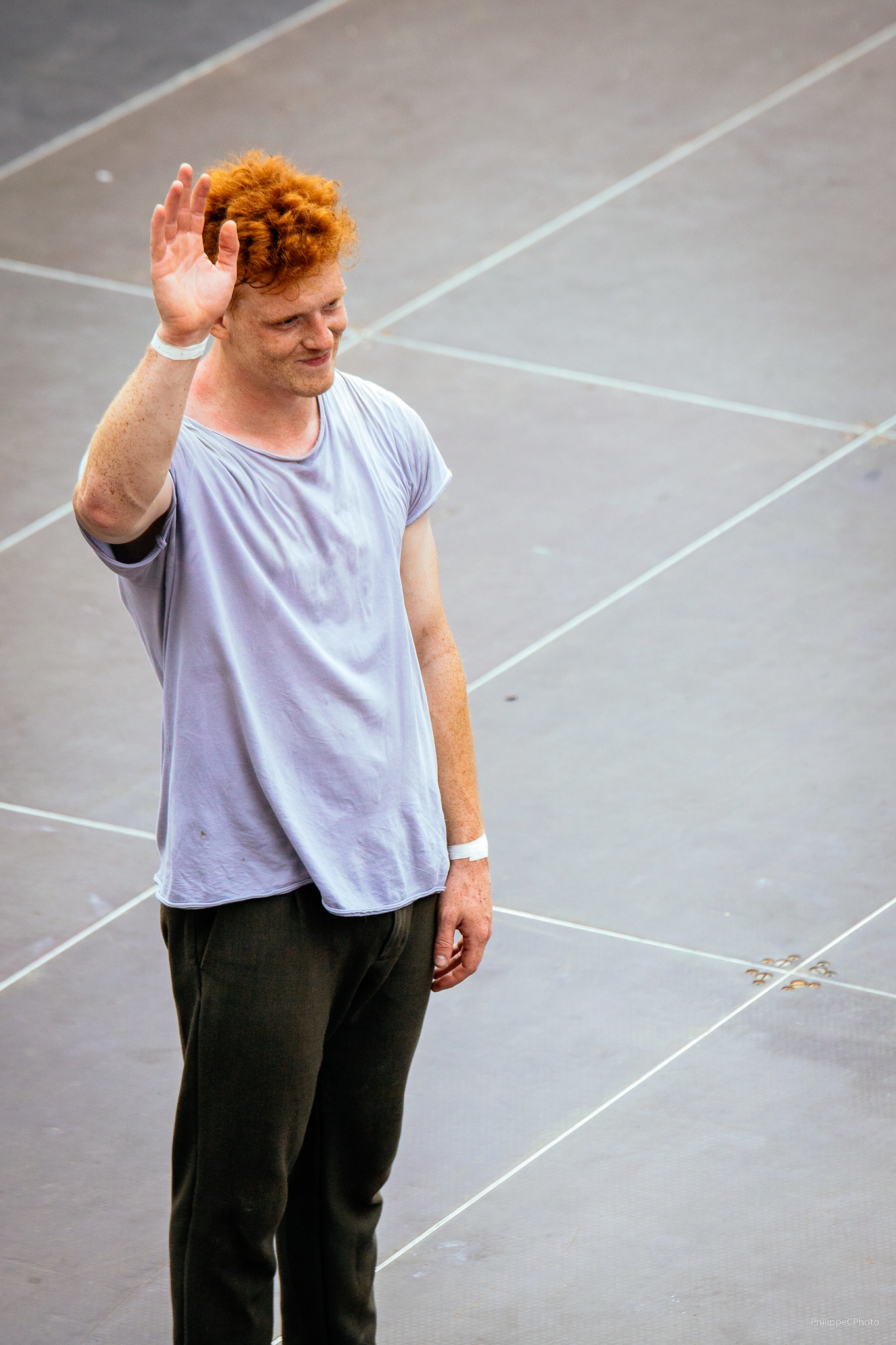
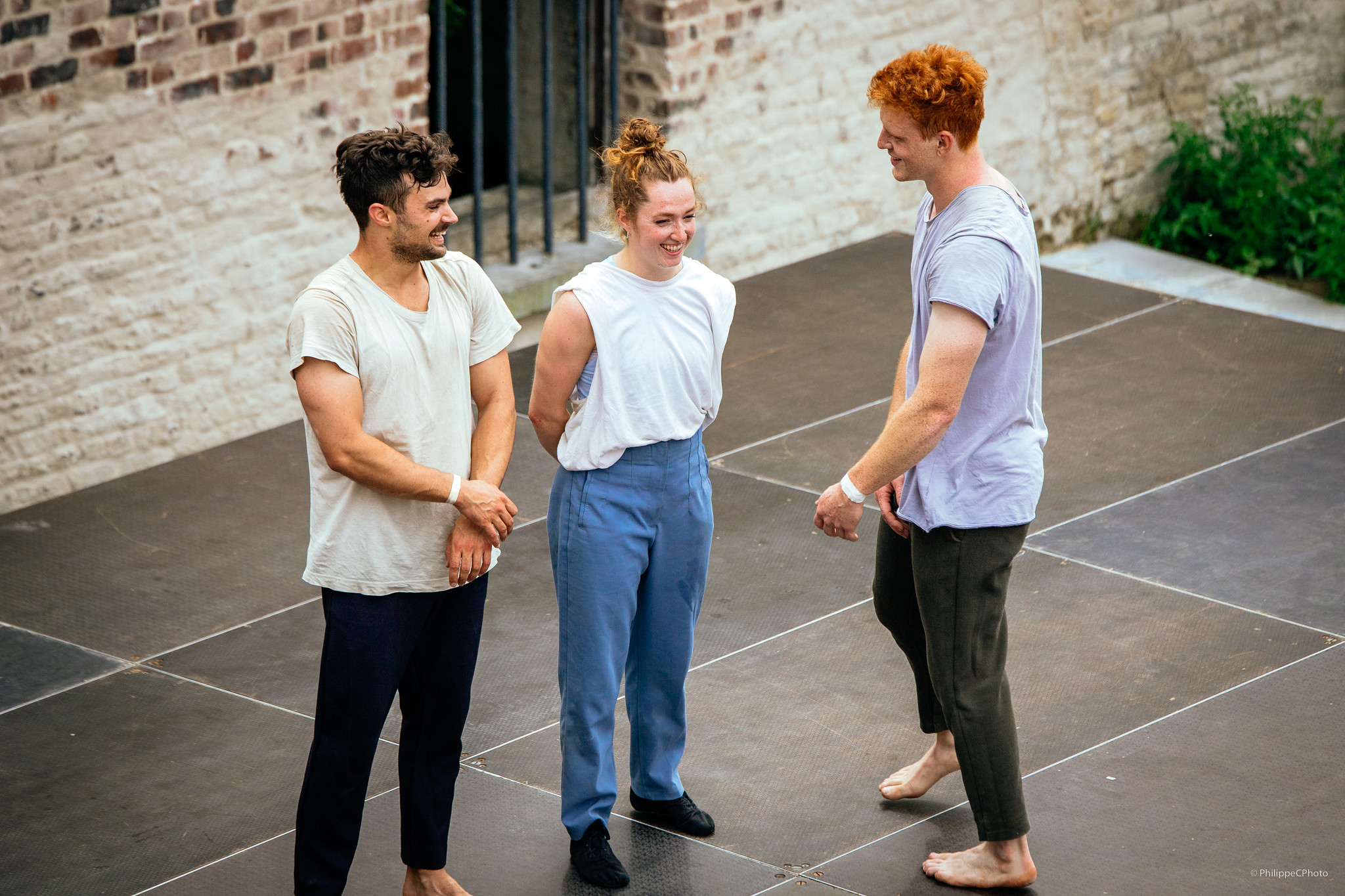
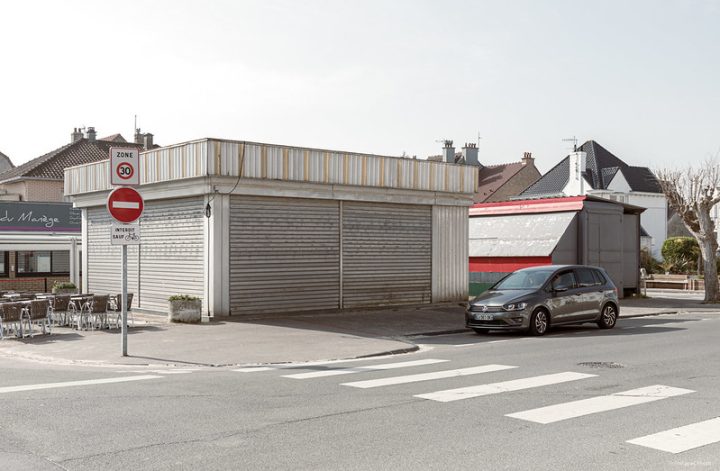
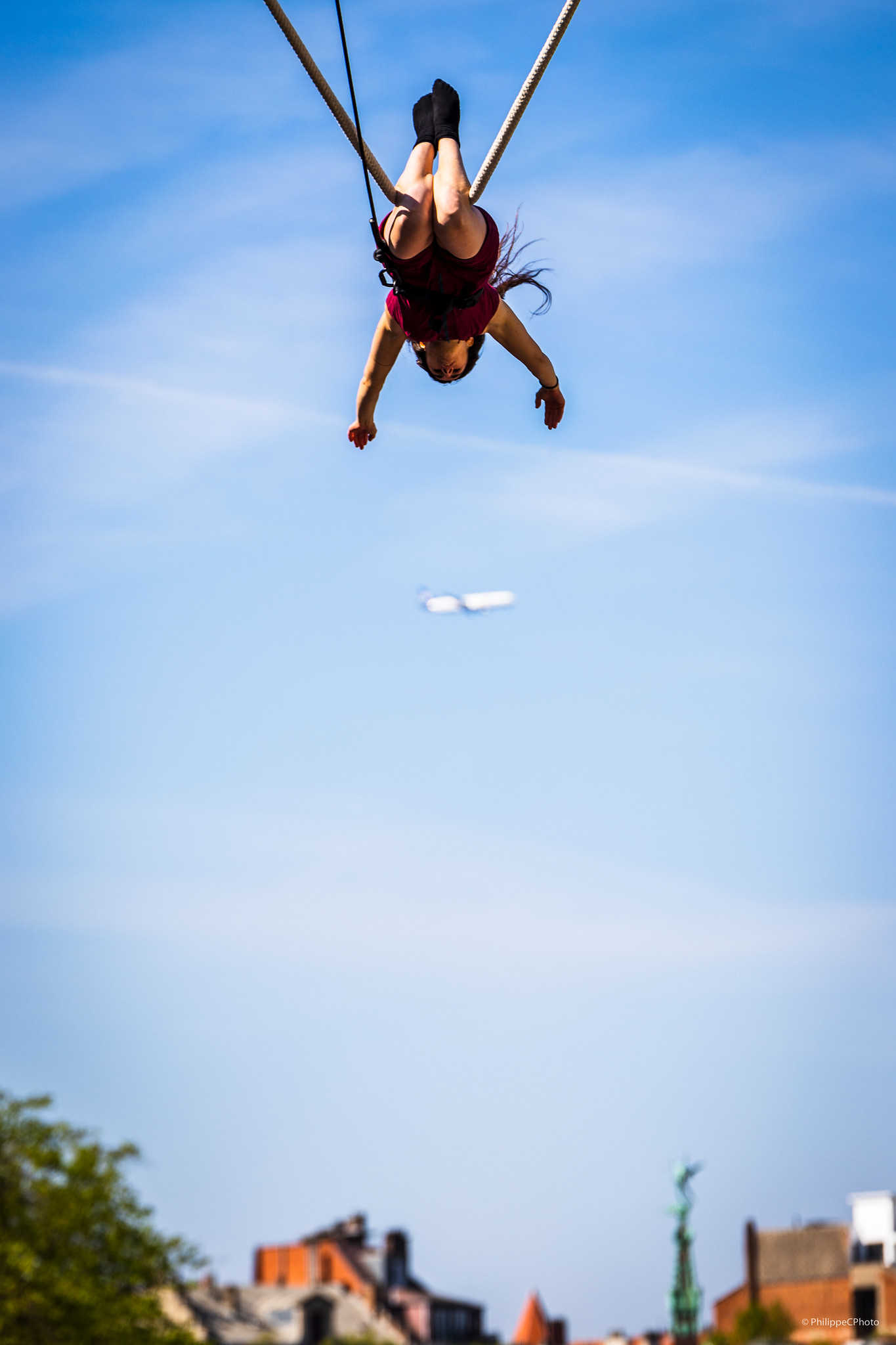
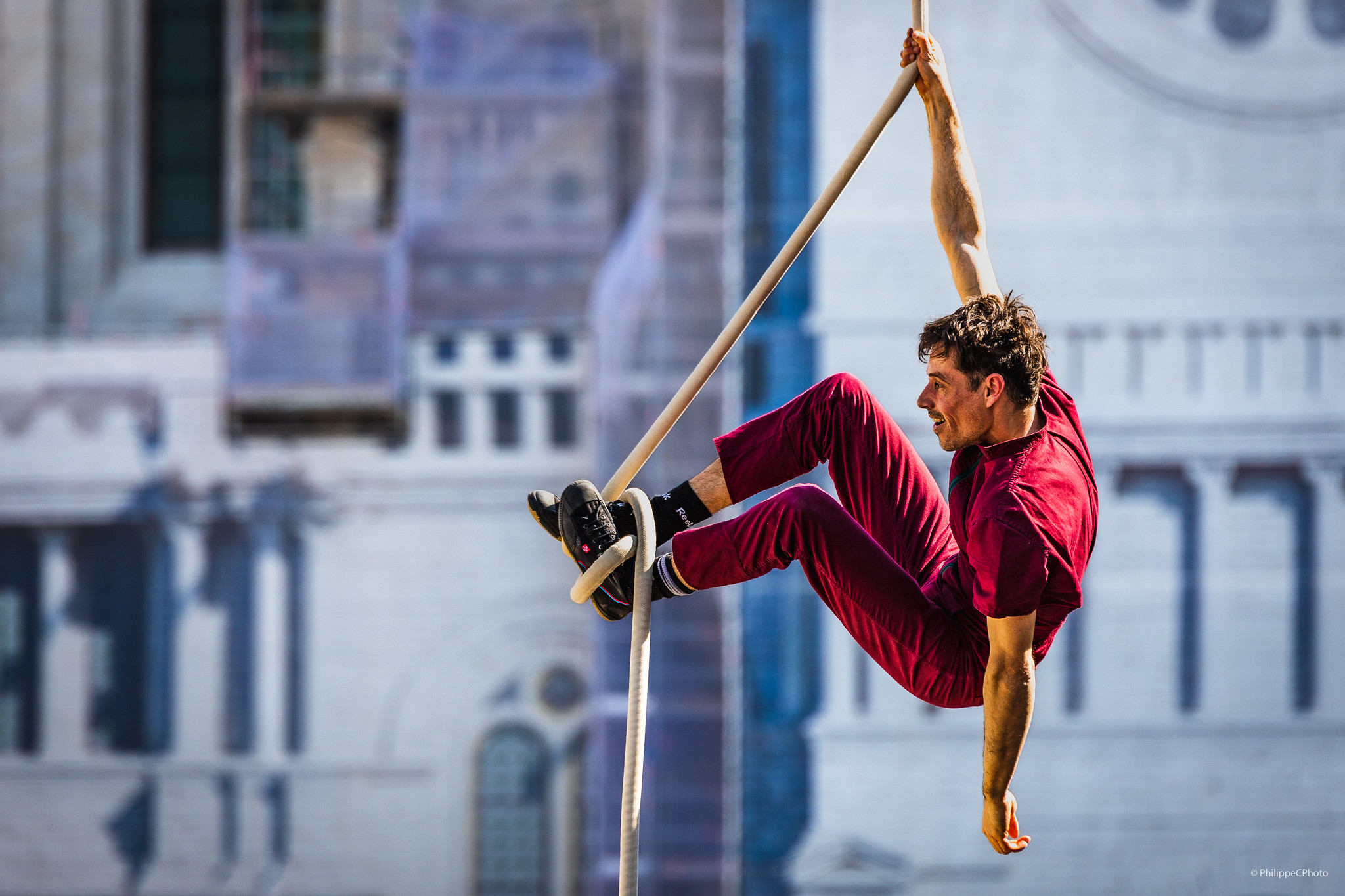
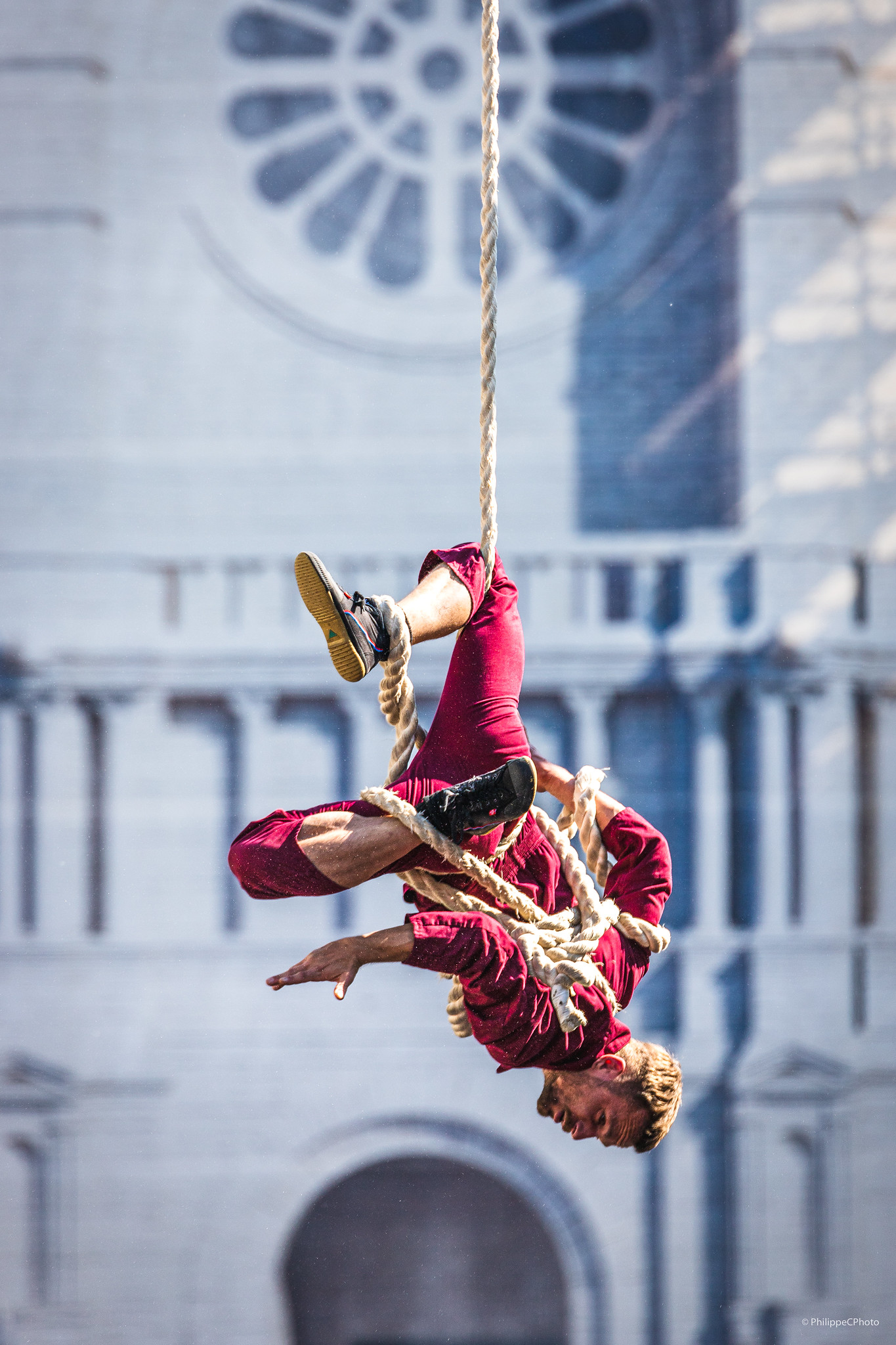
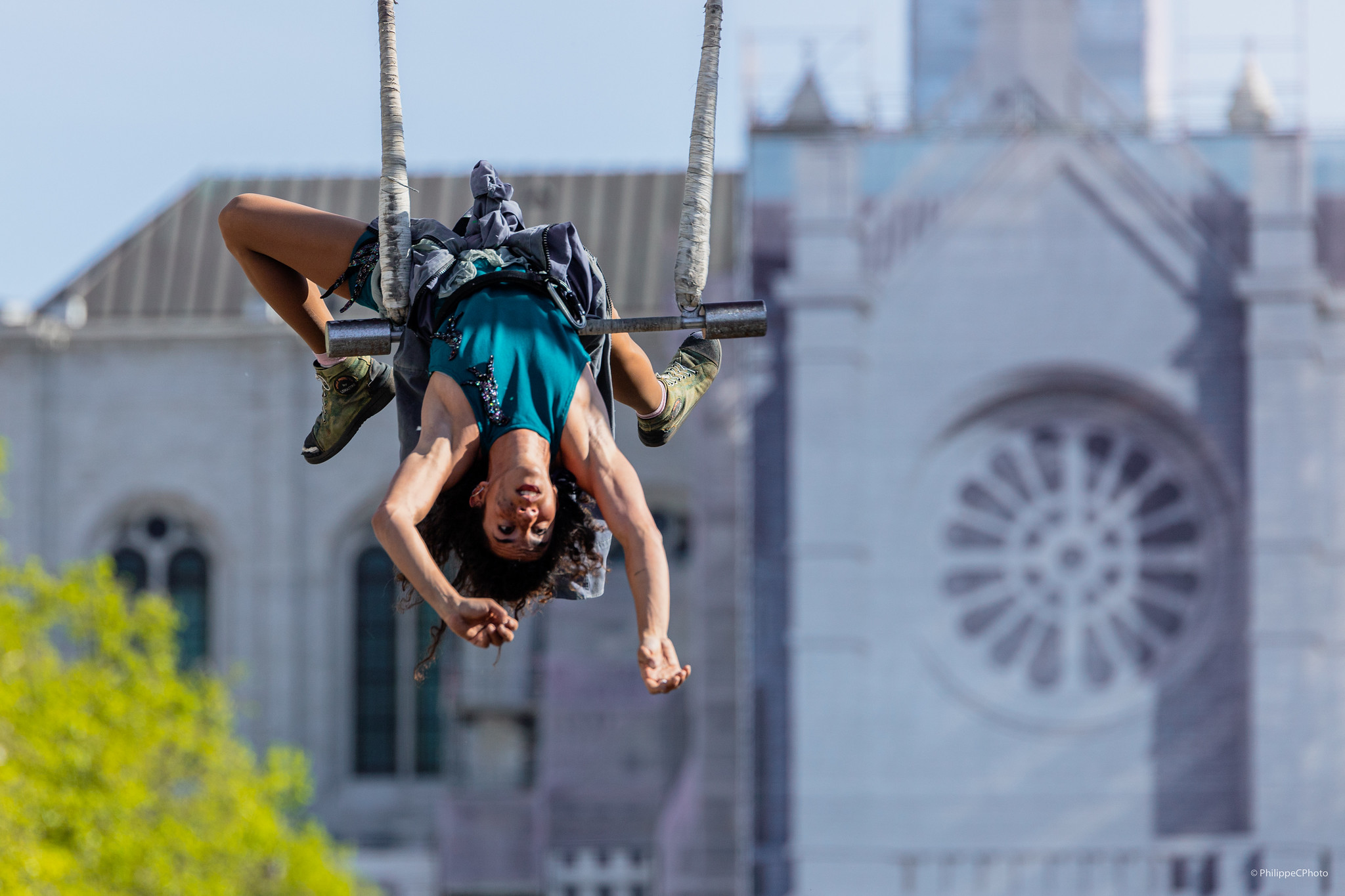
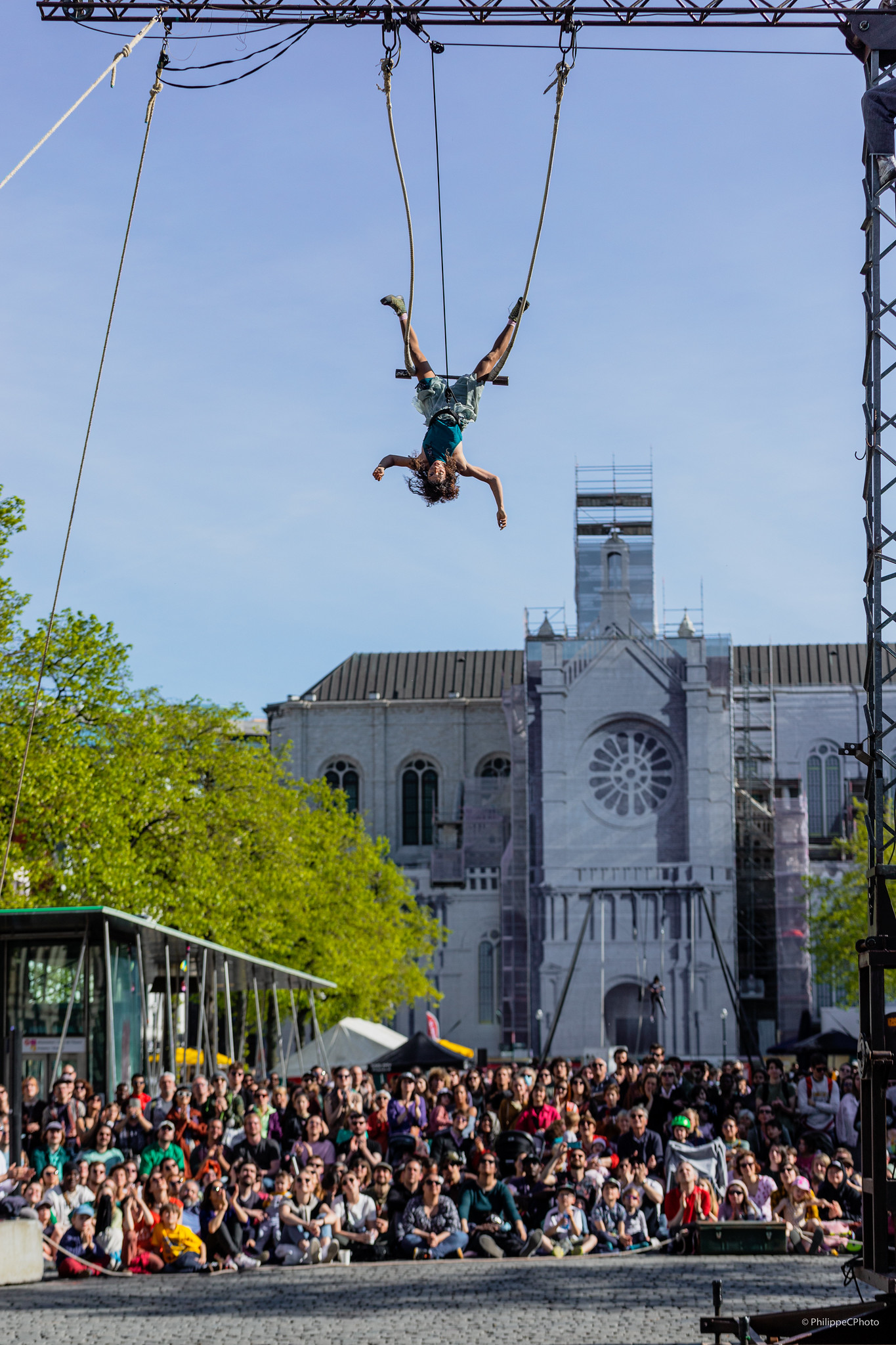
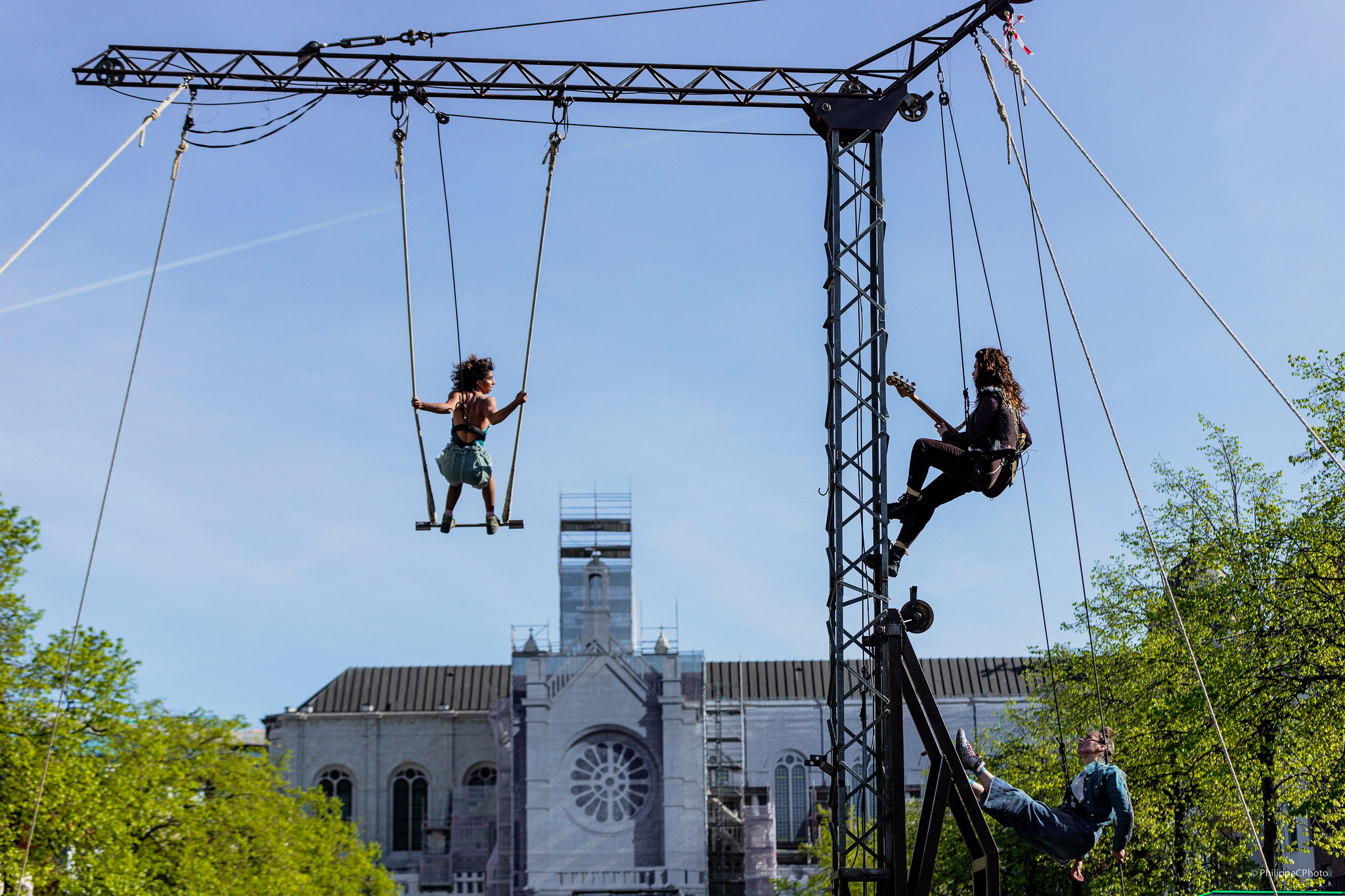
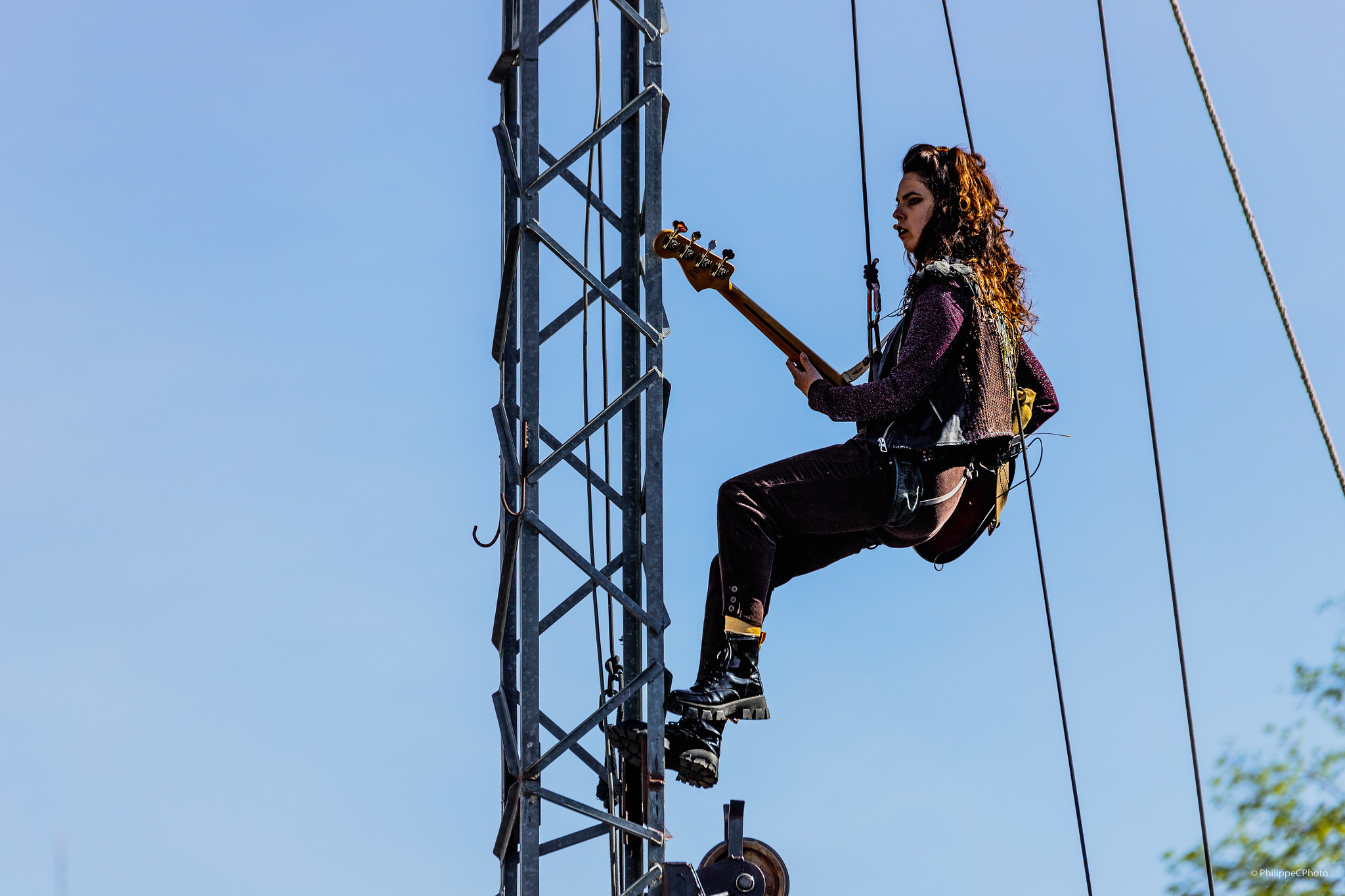
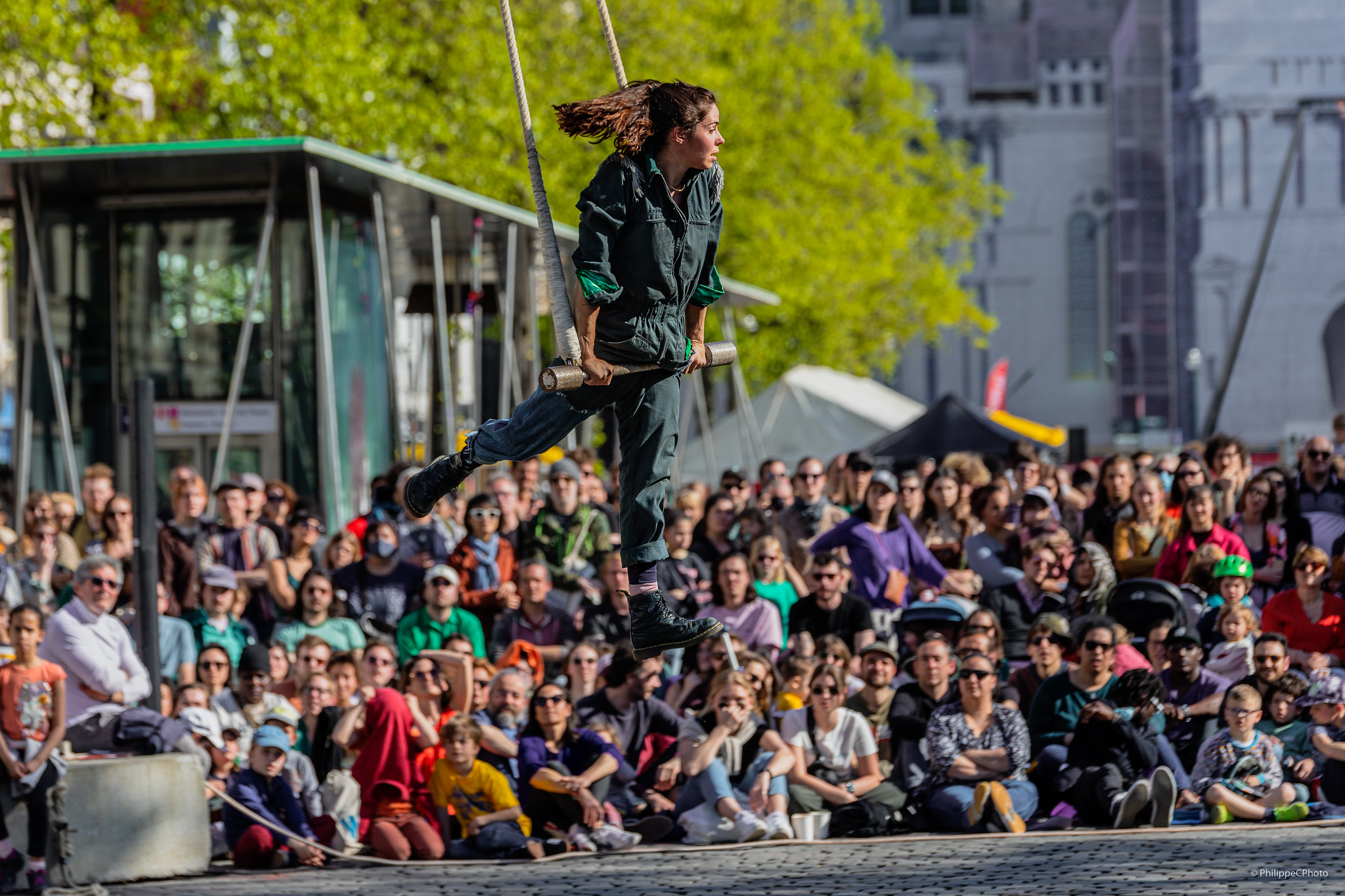
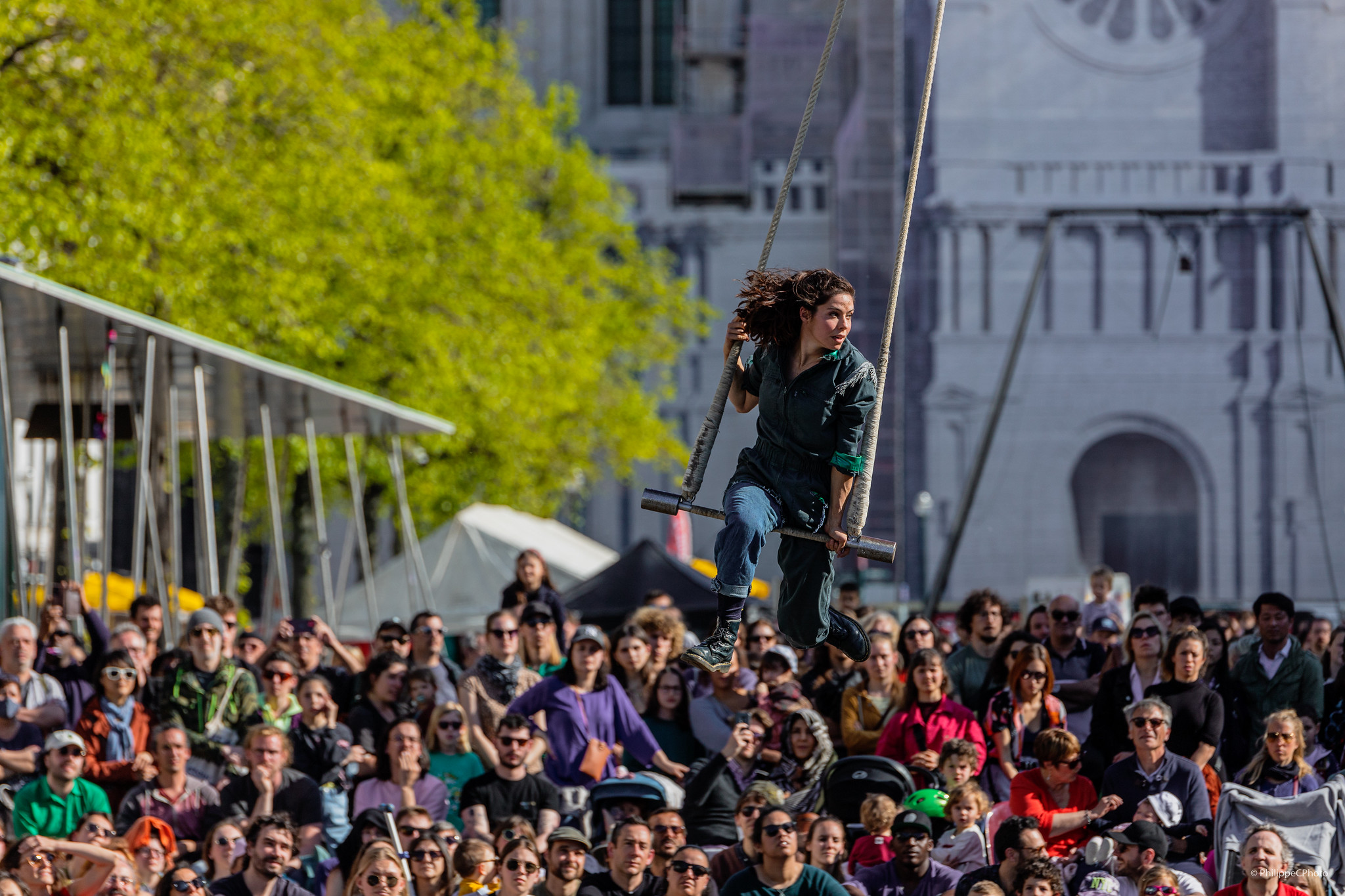
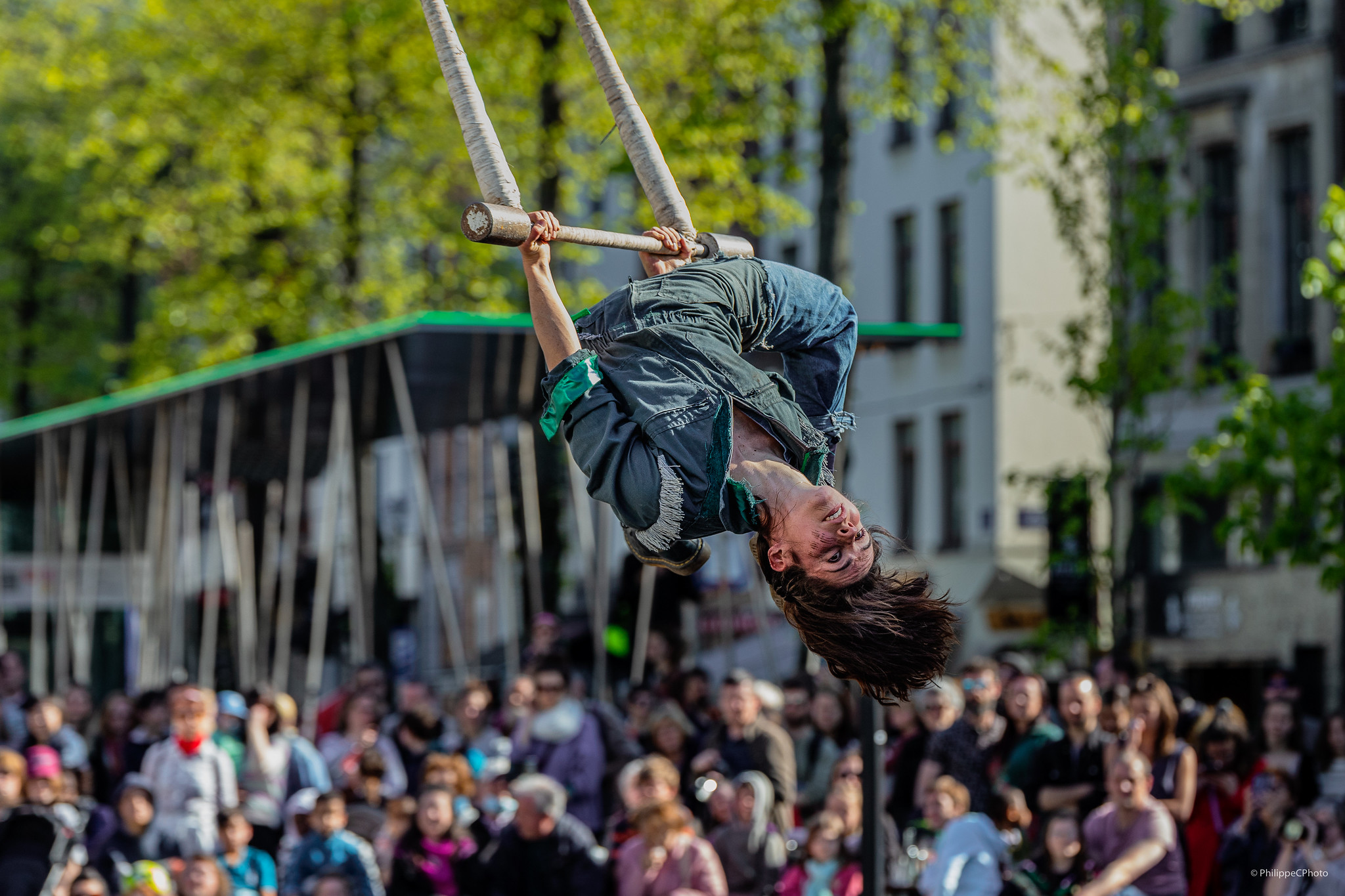
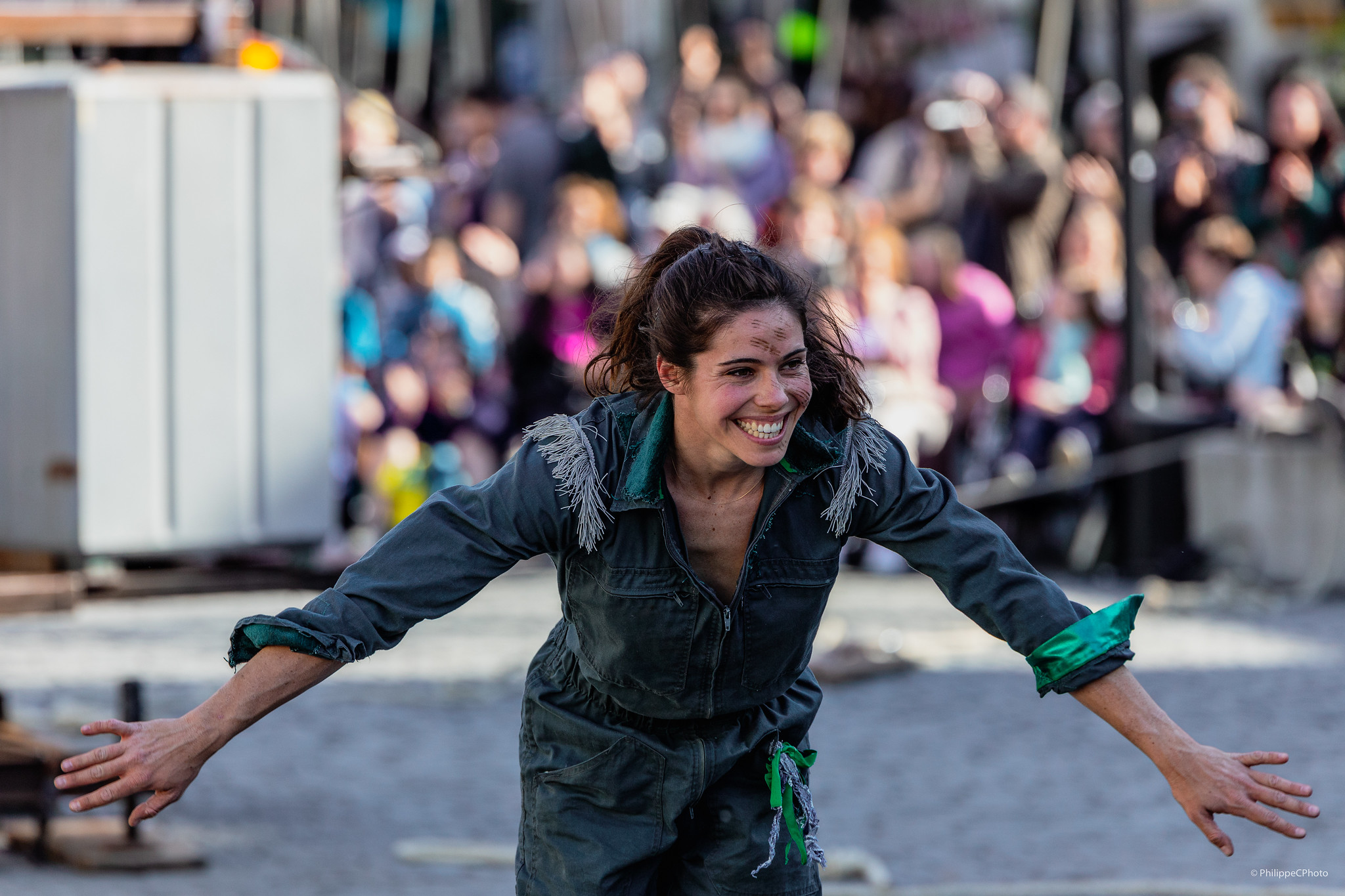
Le centre culturel francophone Archipel 19 et le centre communautaire néerlandophone De Kroon s’associent pour organiser un festival gratuit, le Visueel Festival Visuel (VFV), qui transcende les limites de langue et d’âge en mettant l’accent sur le théâtre de rue, le cirque, la danse et activités pour le jeune public. .
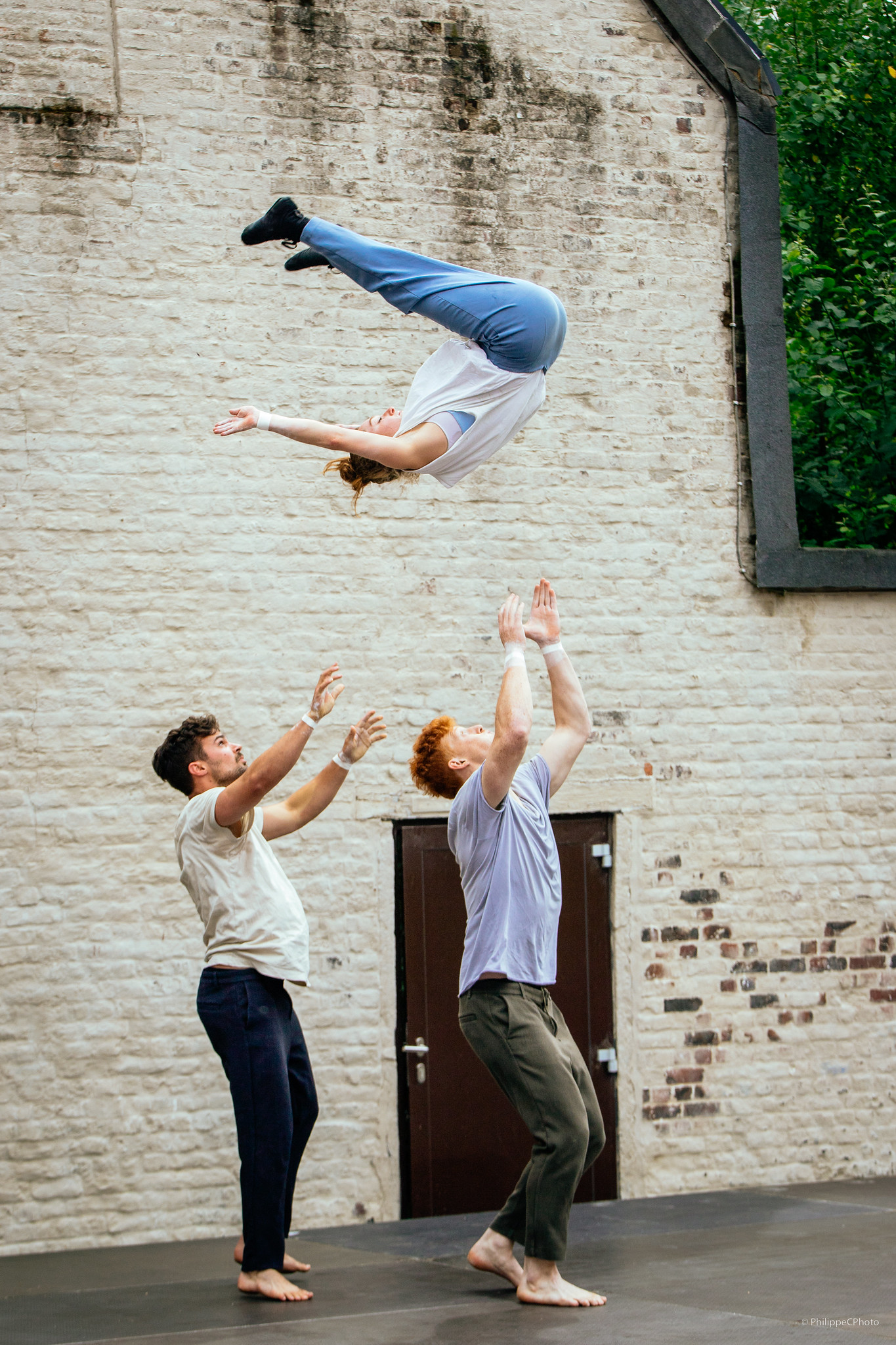
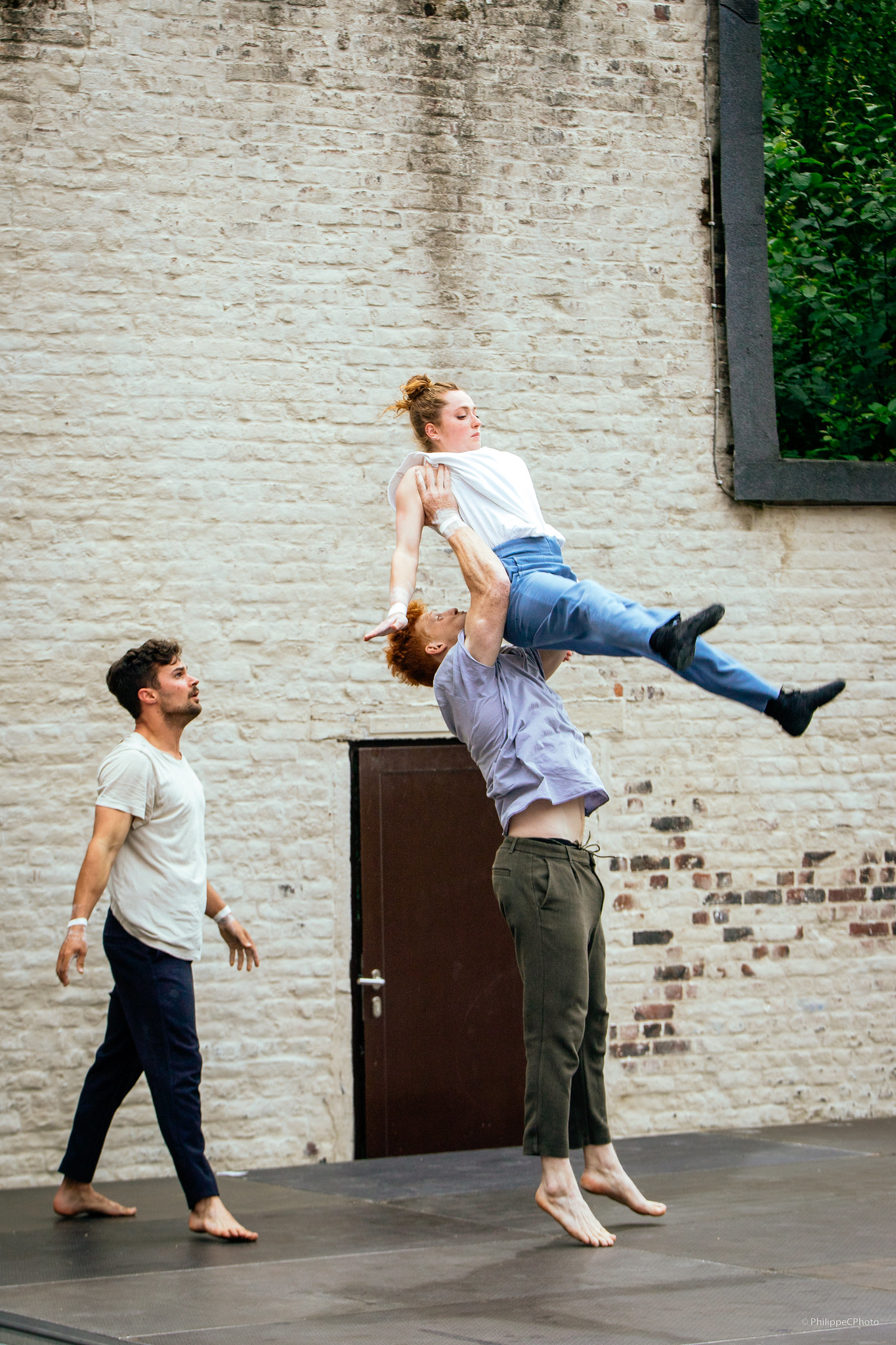
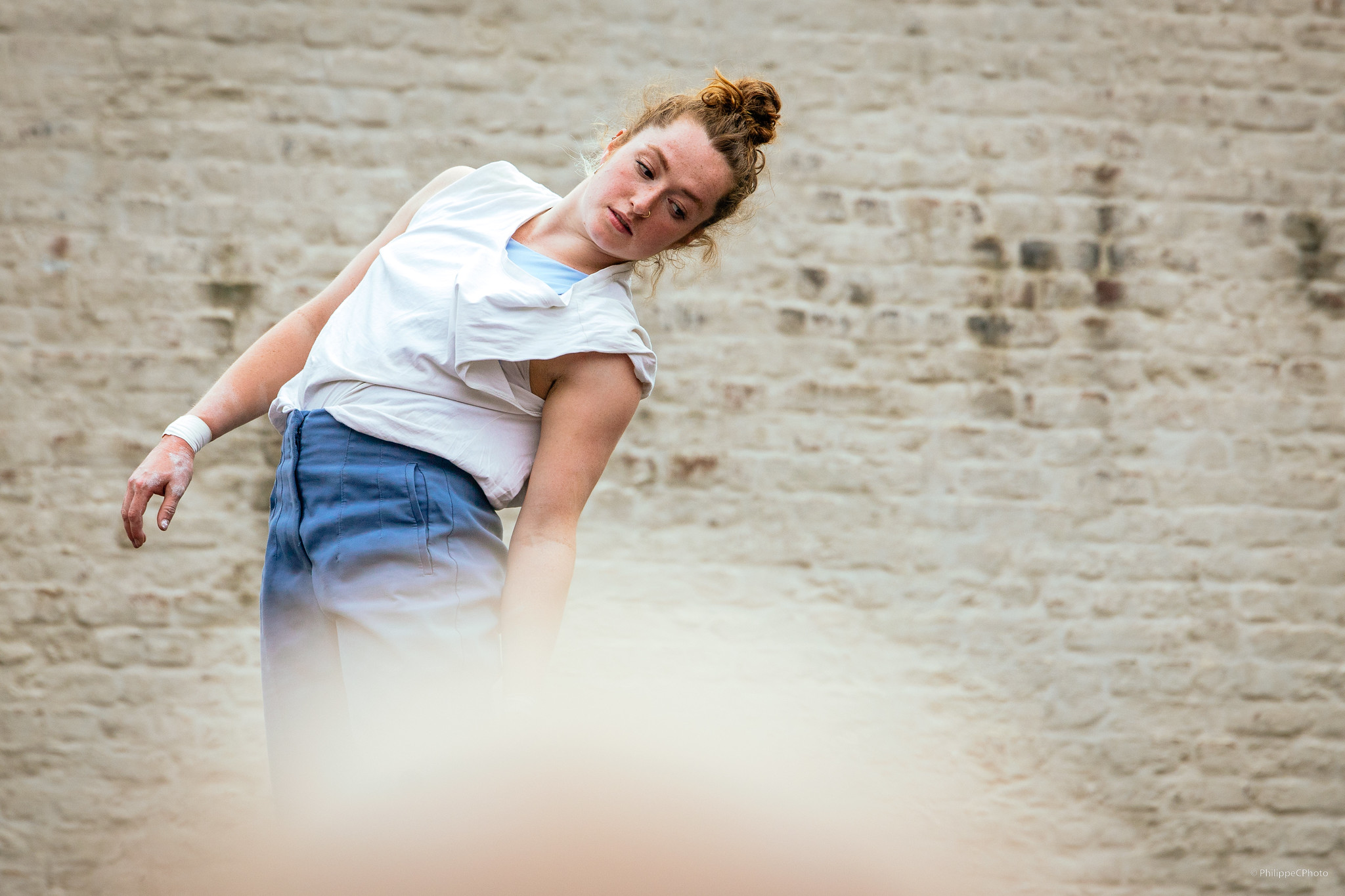
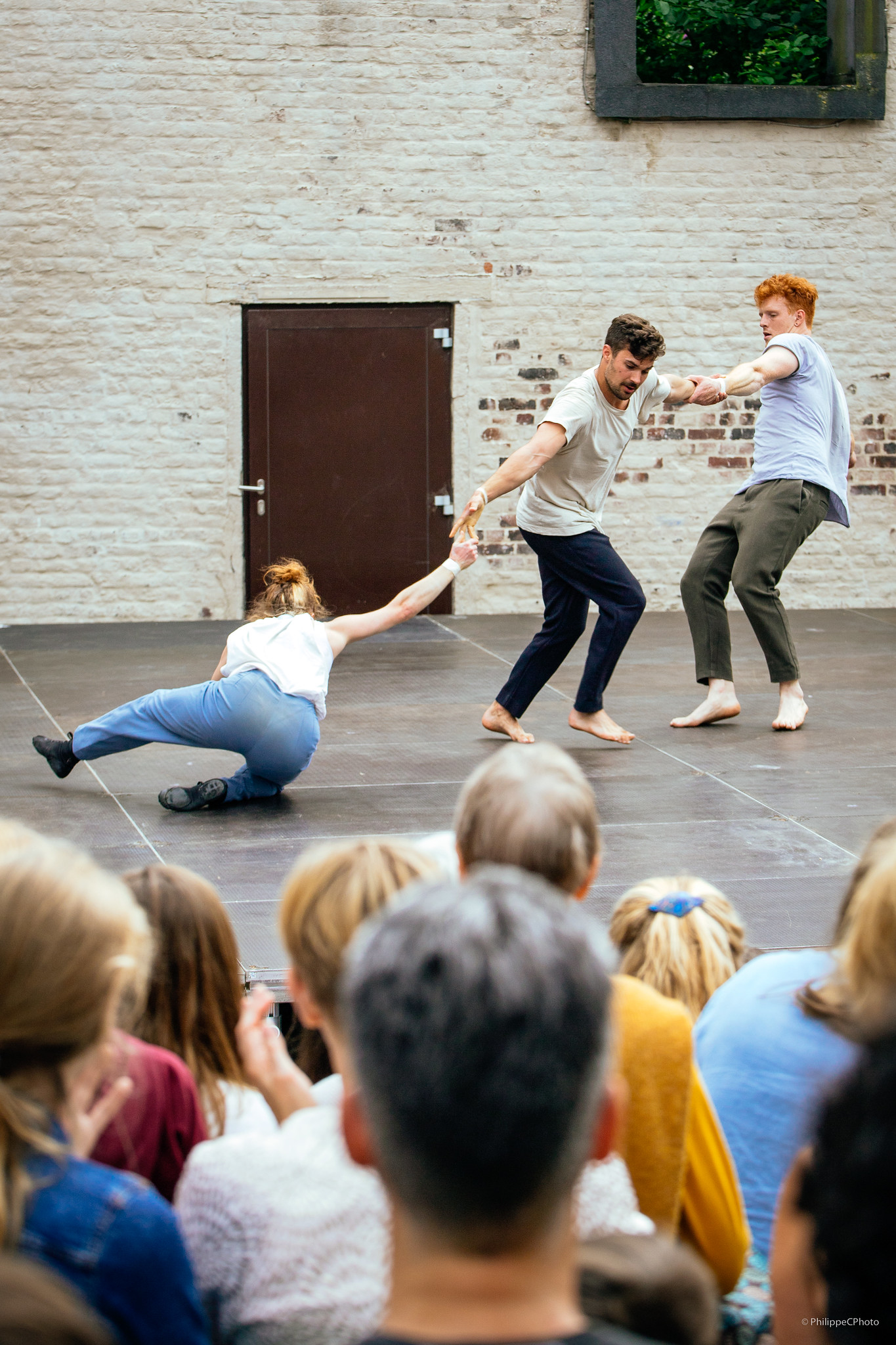
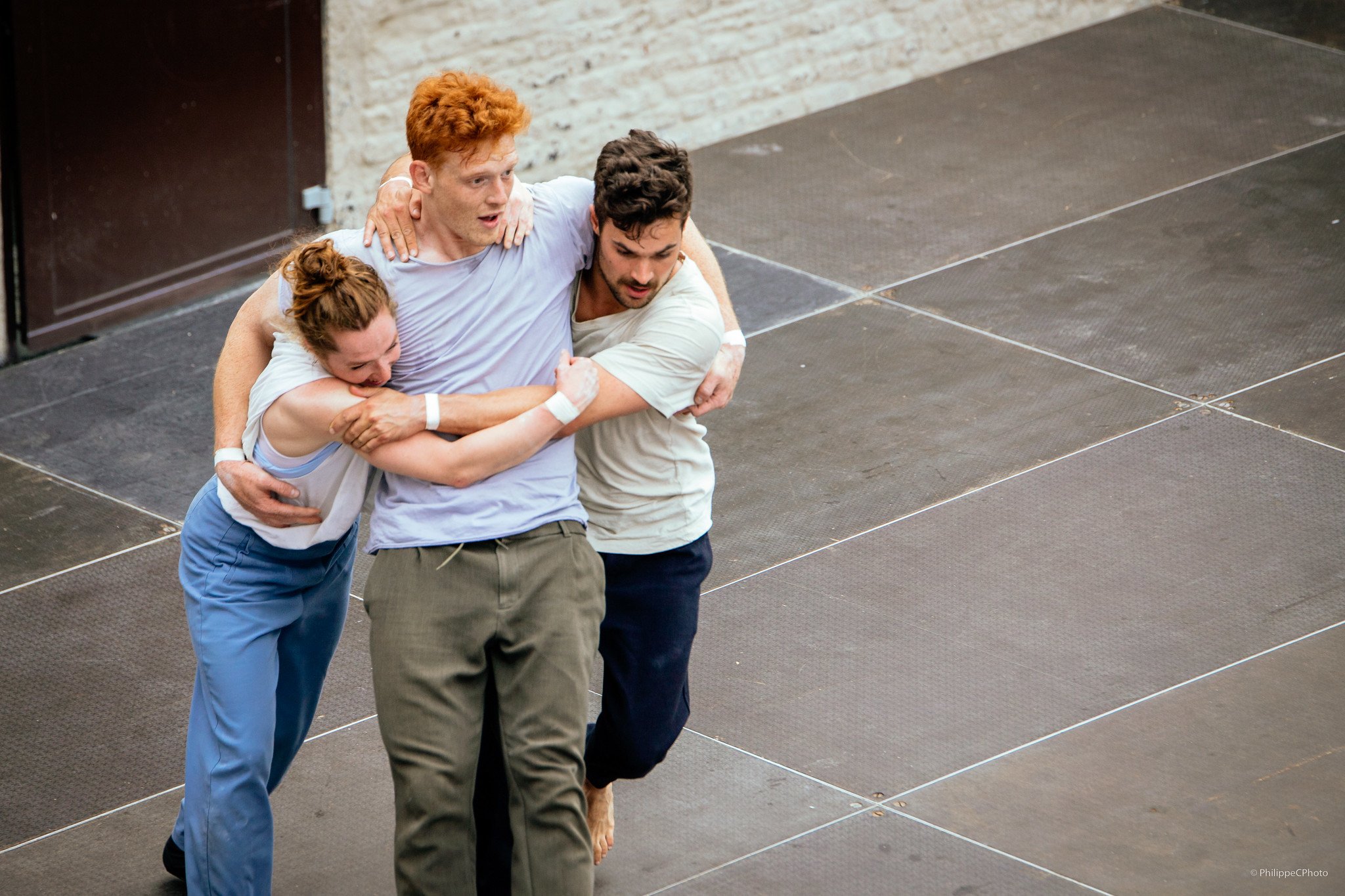
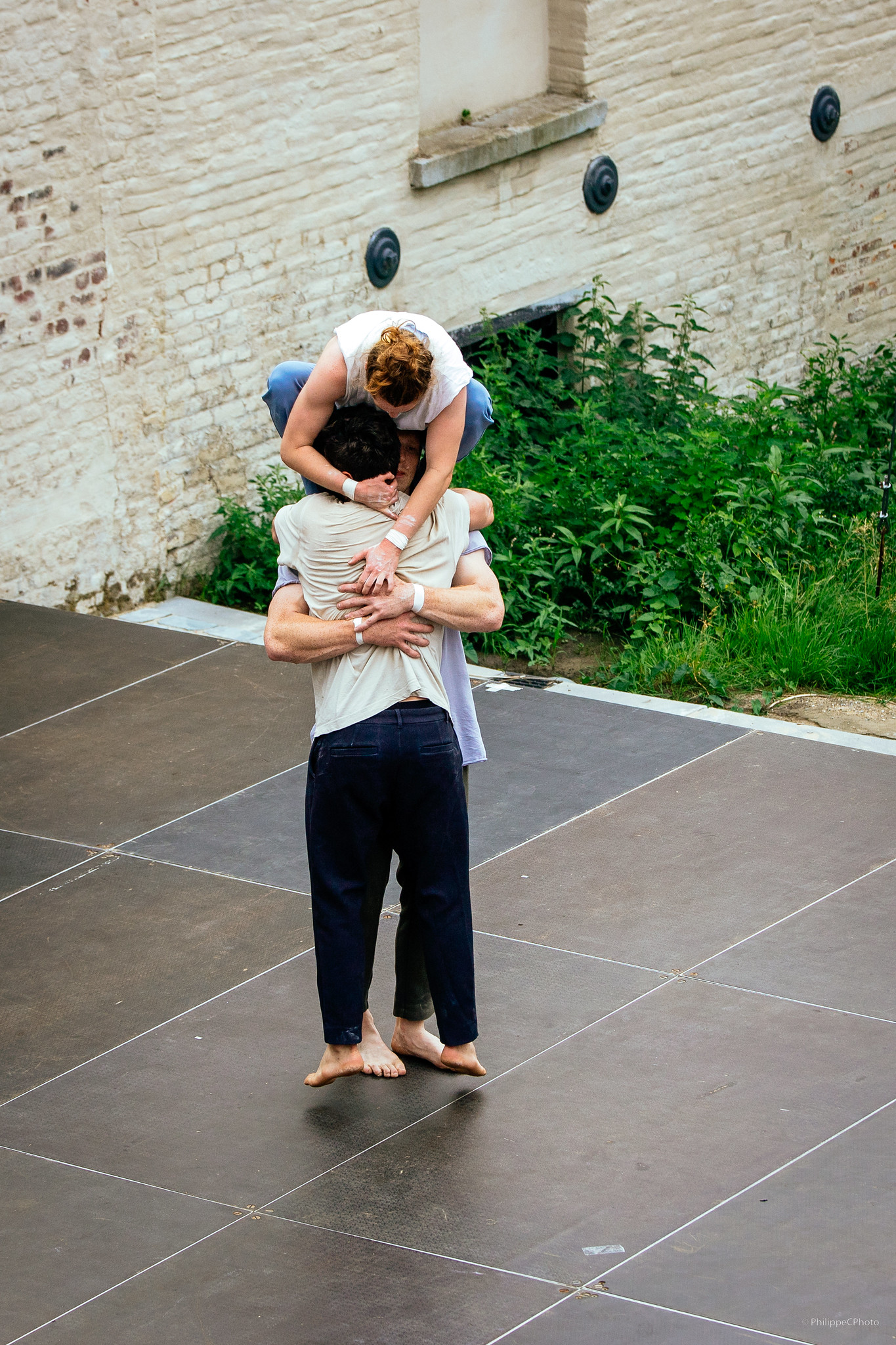
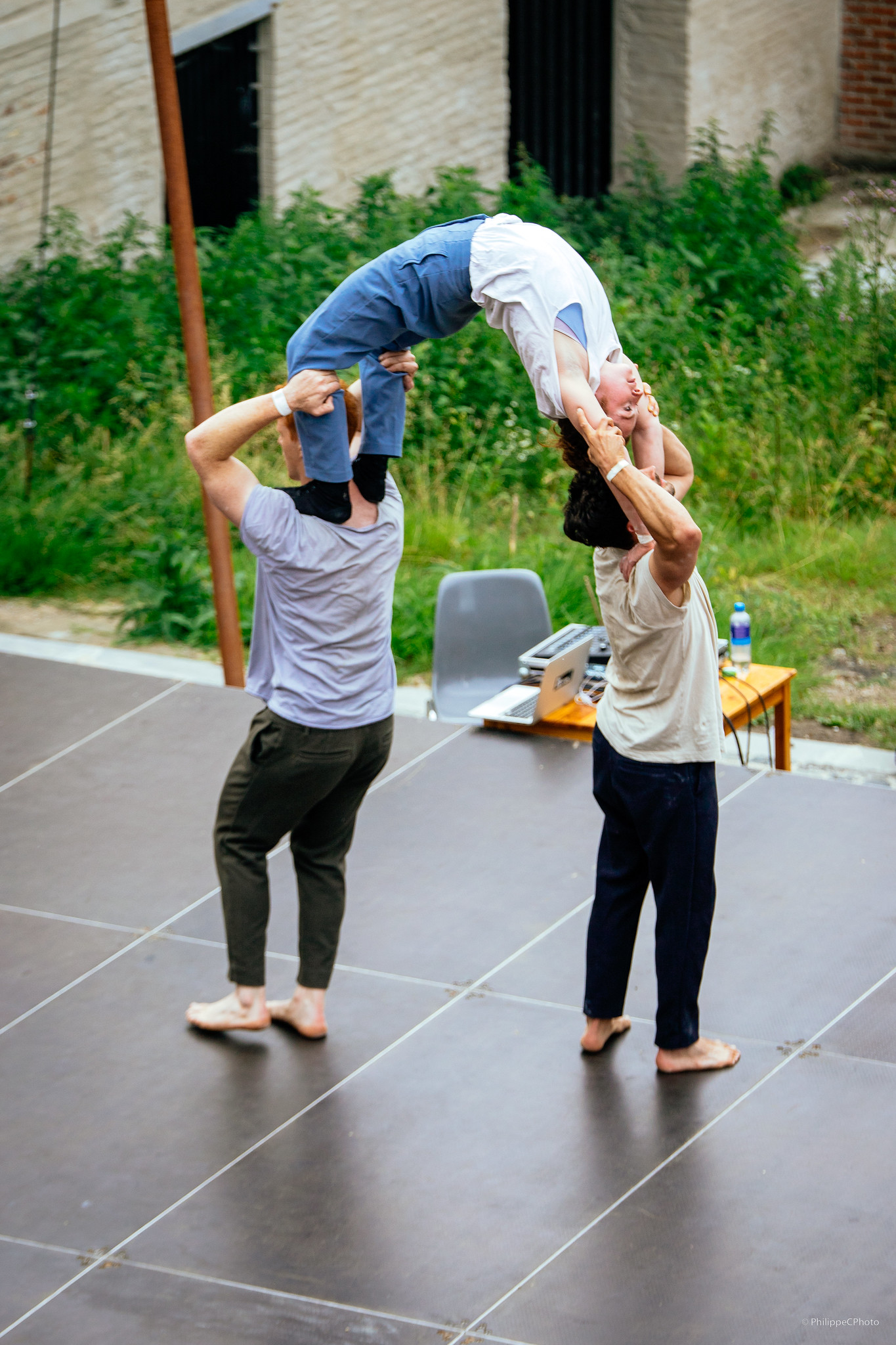
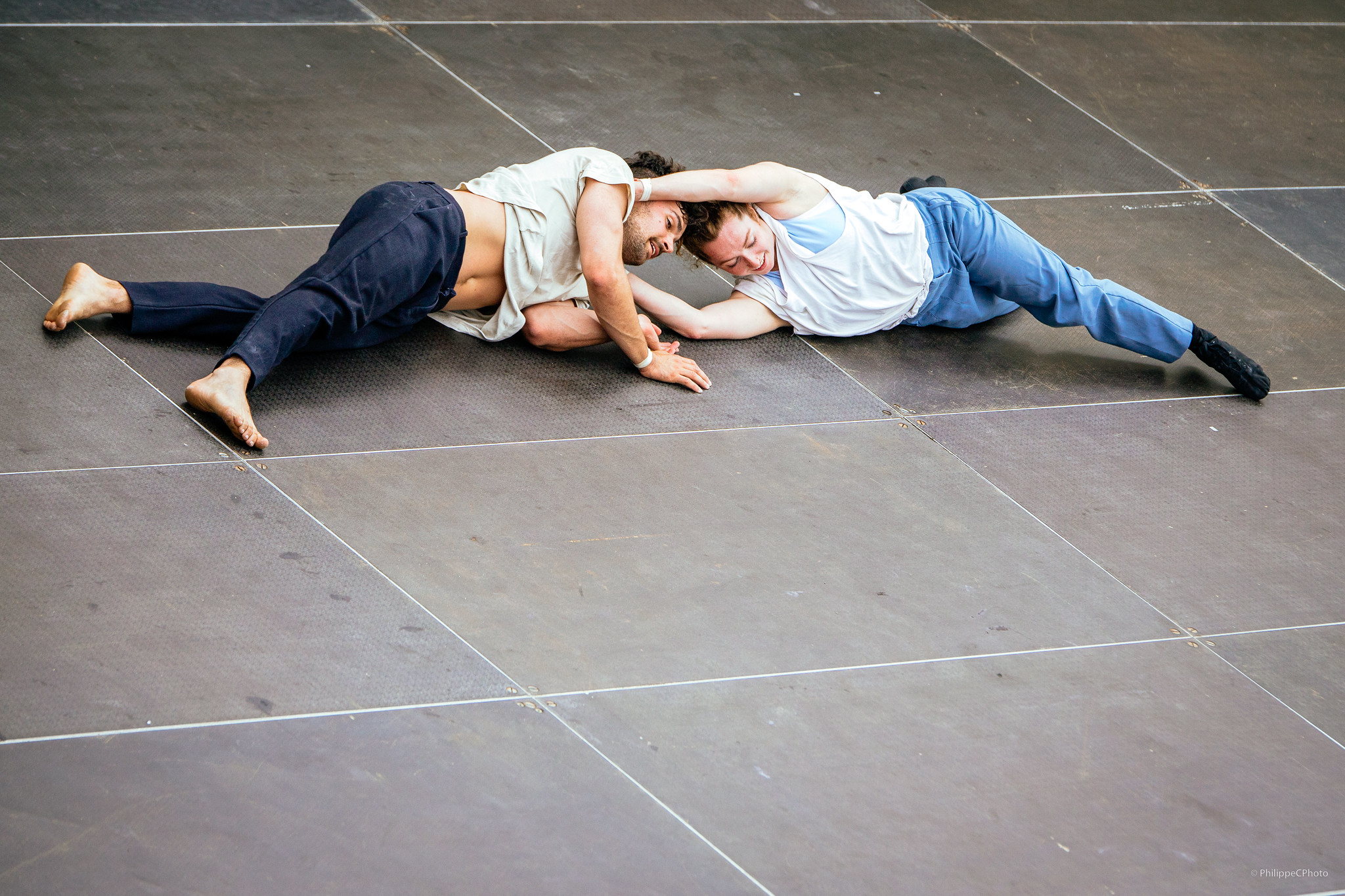
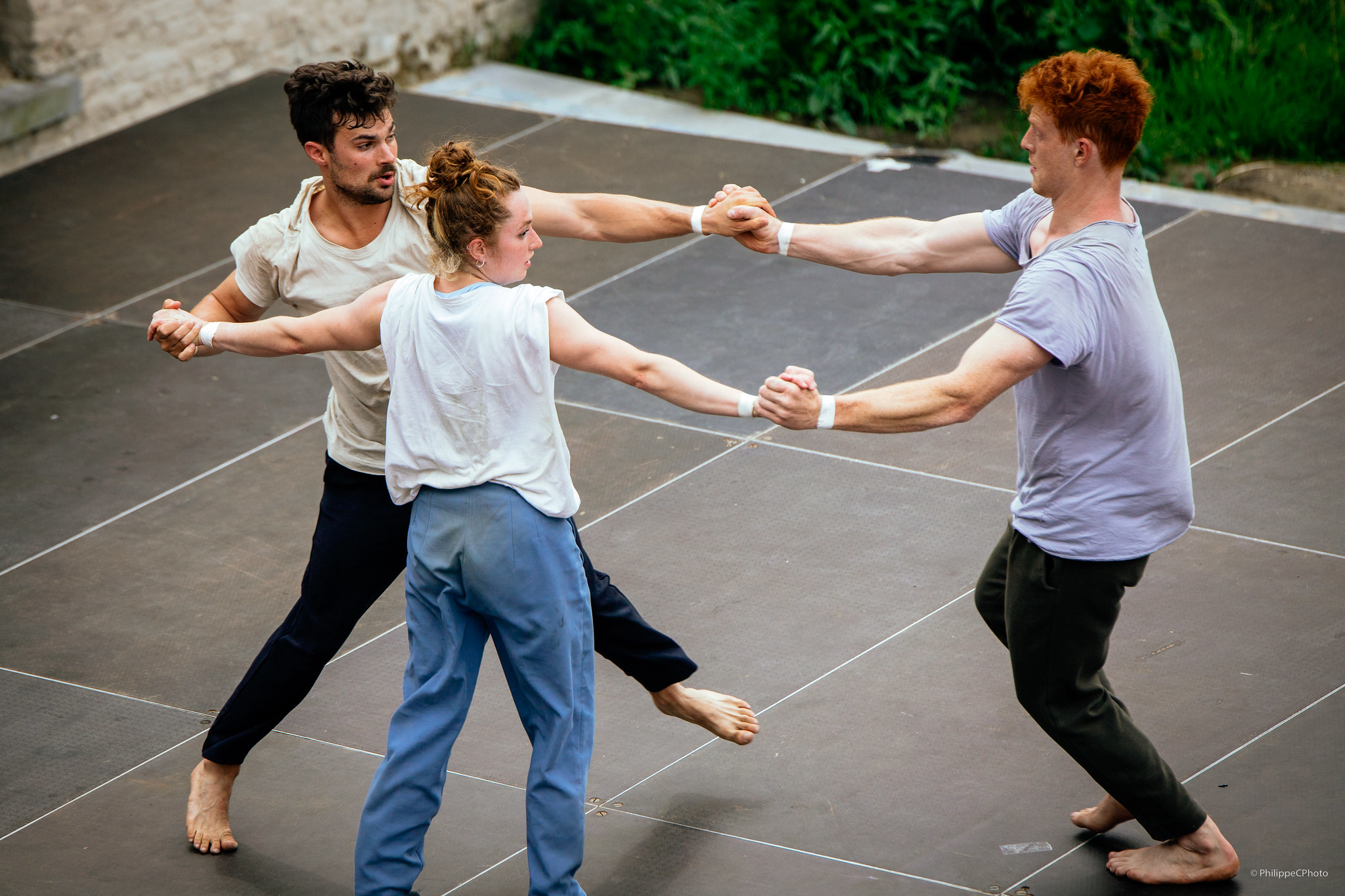
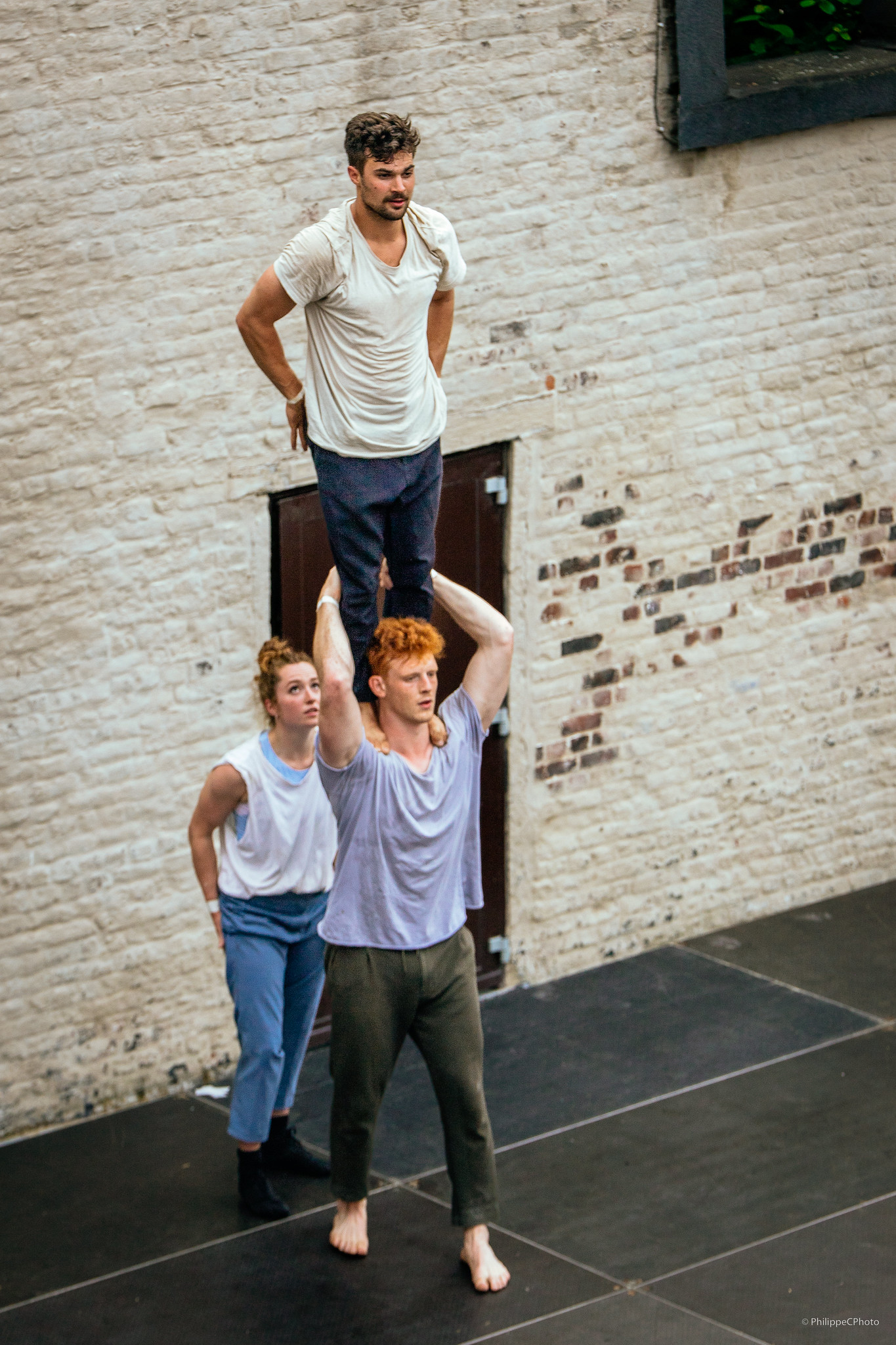
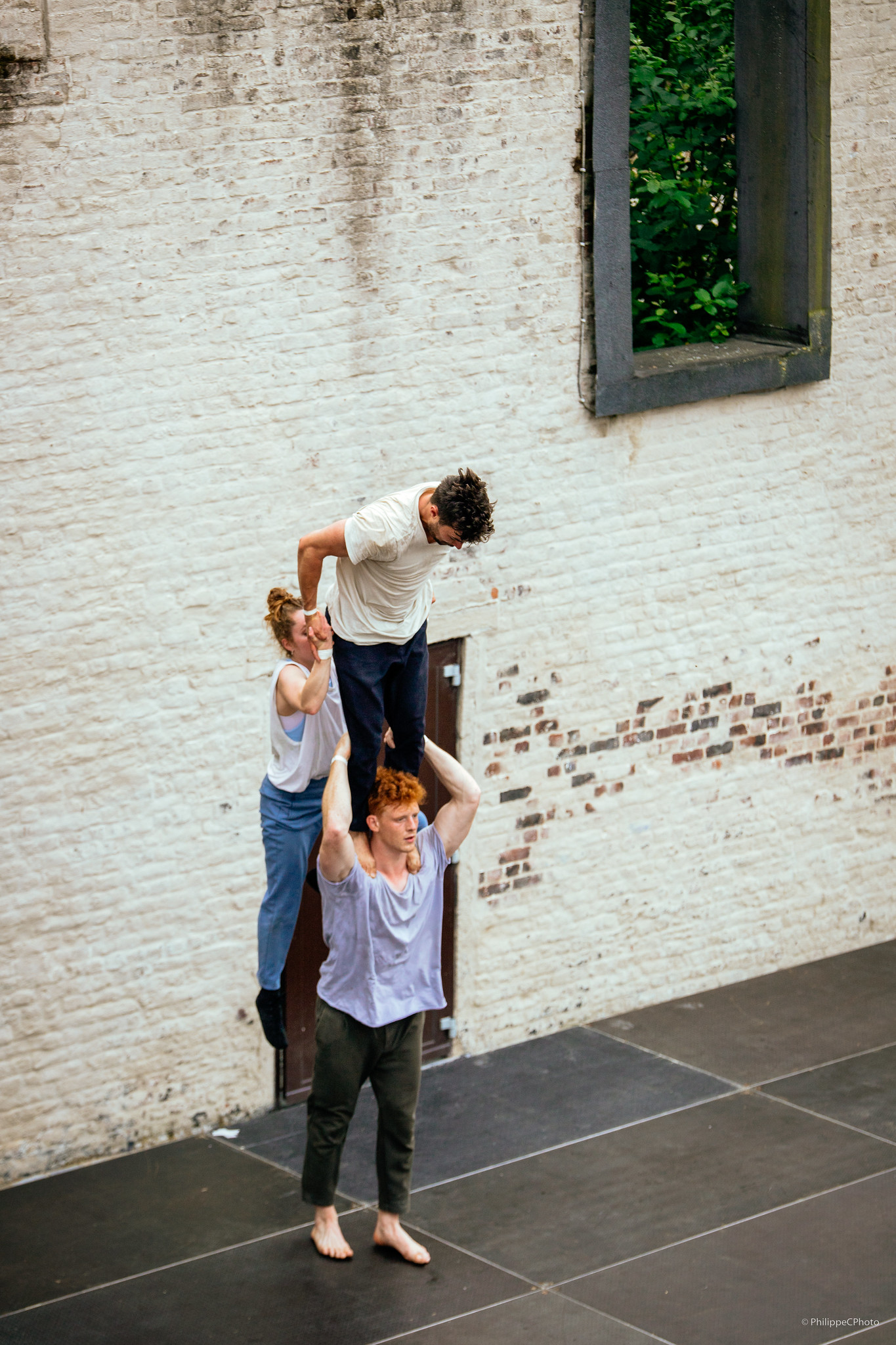
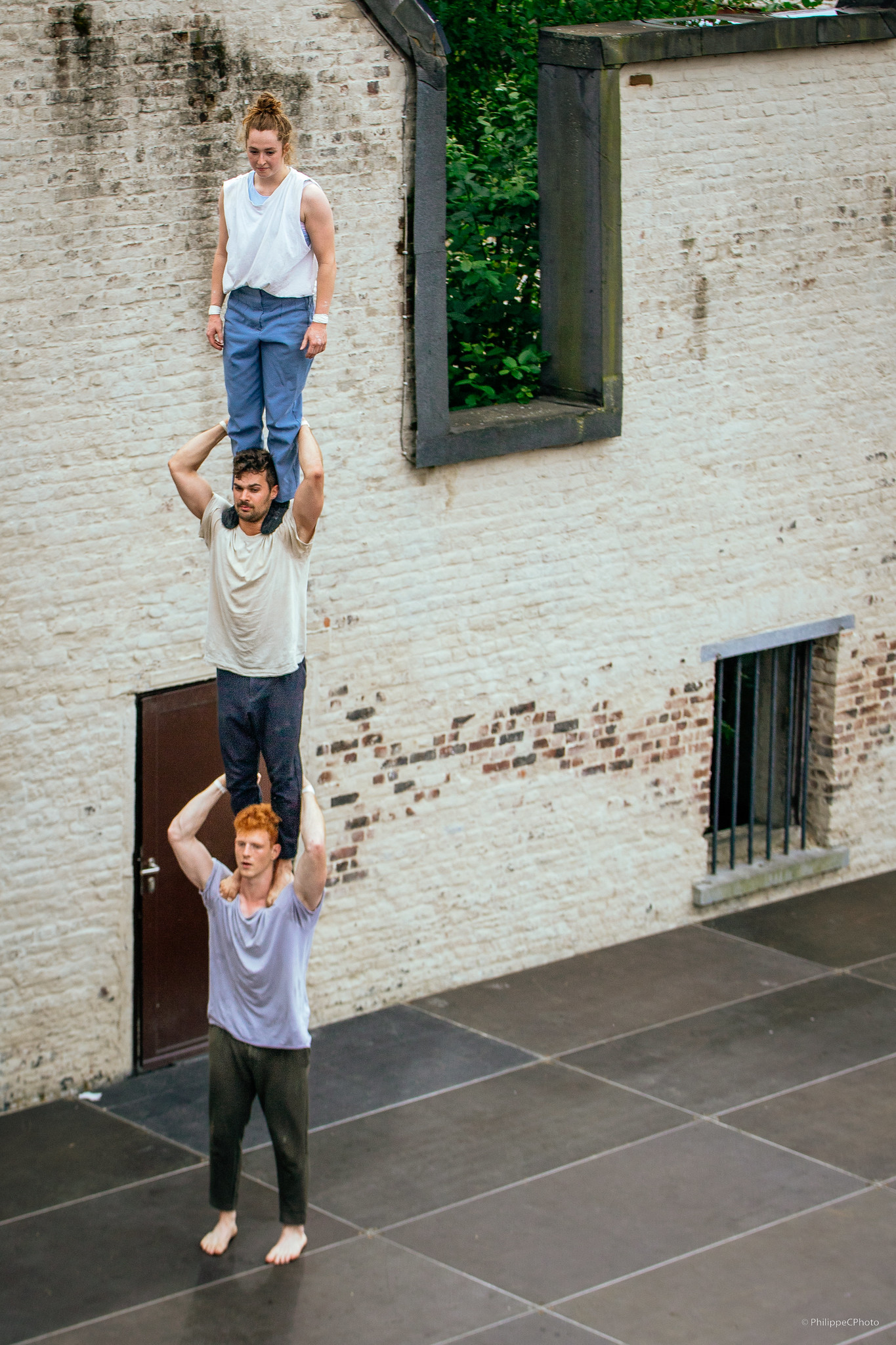
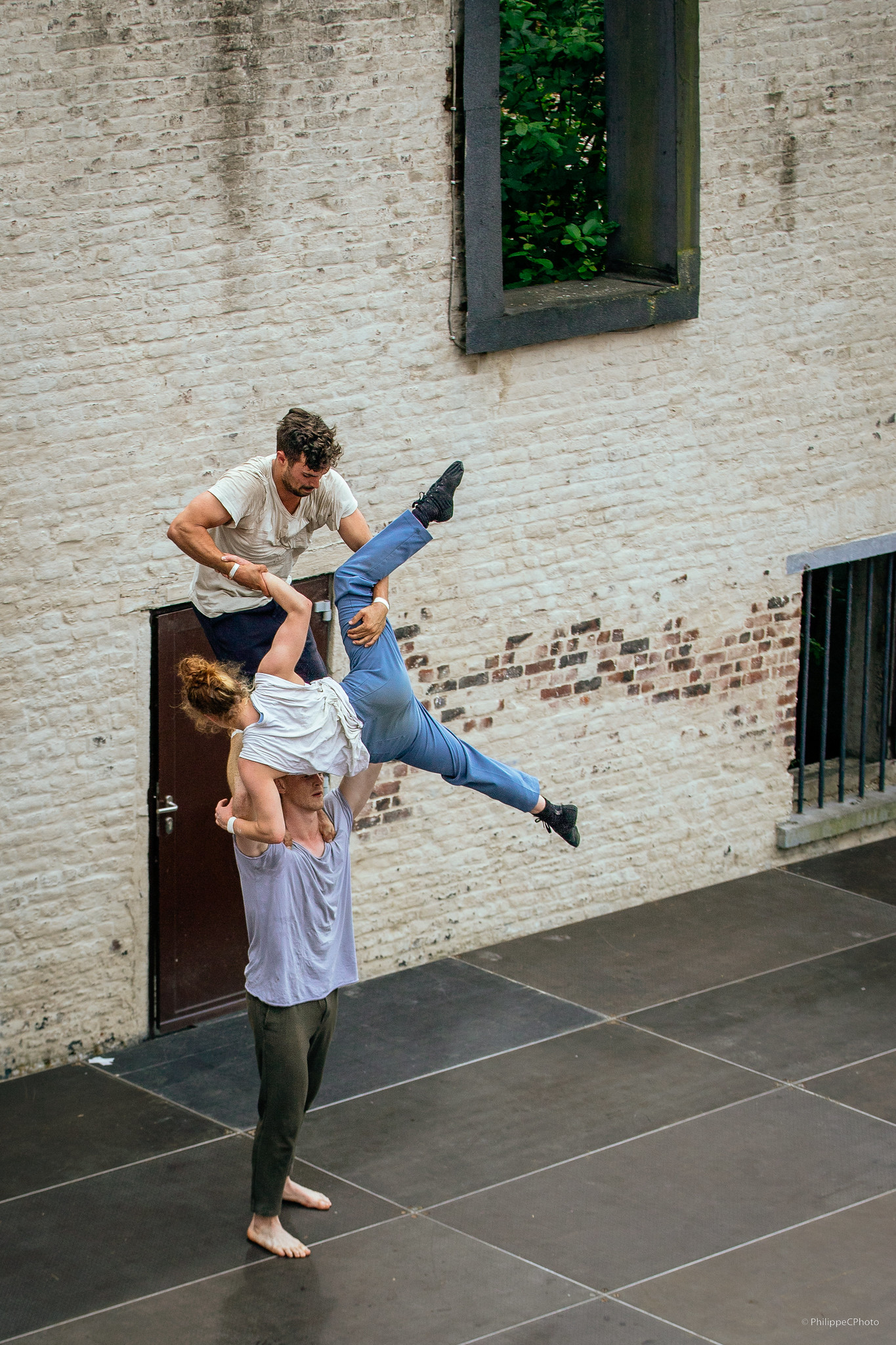
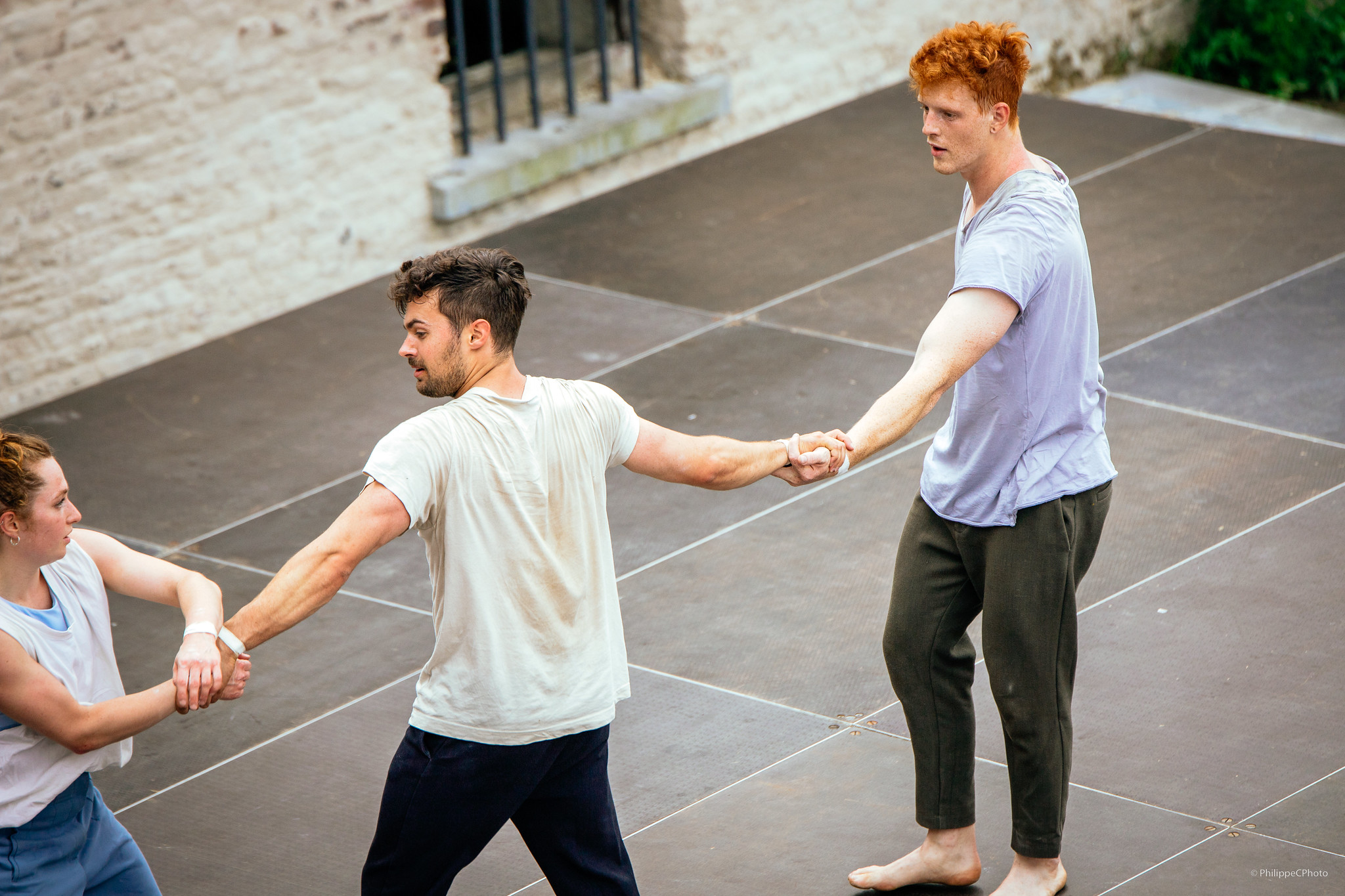
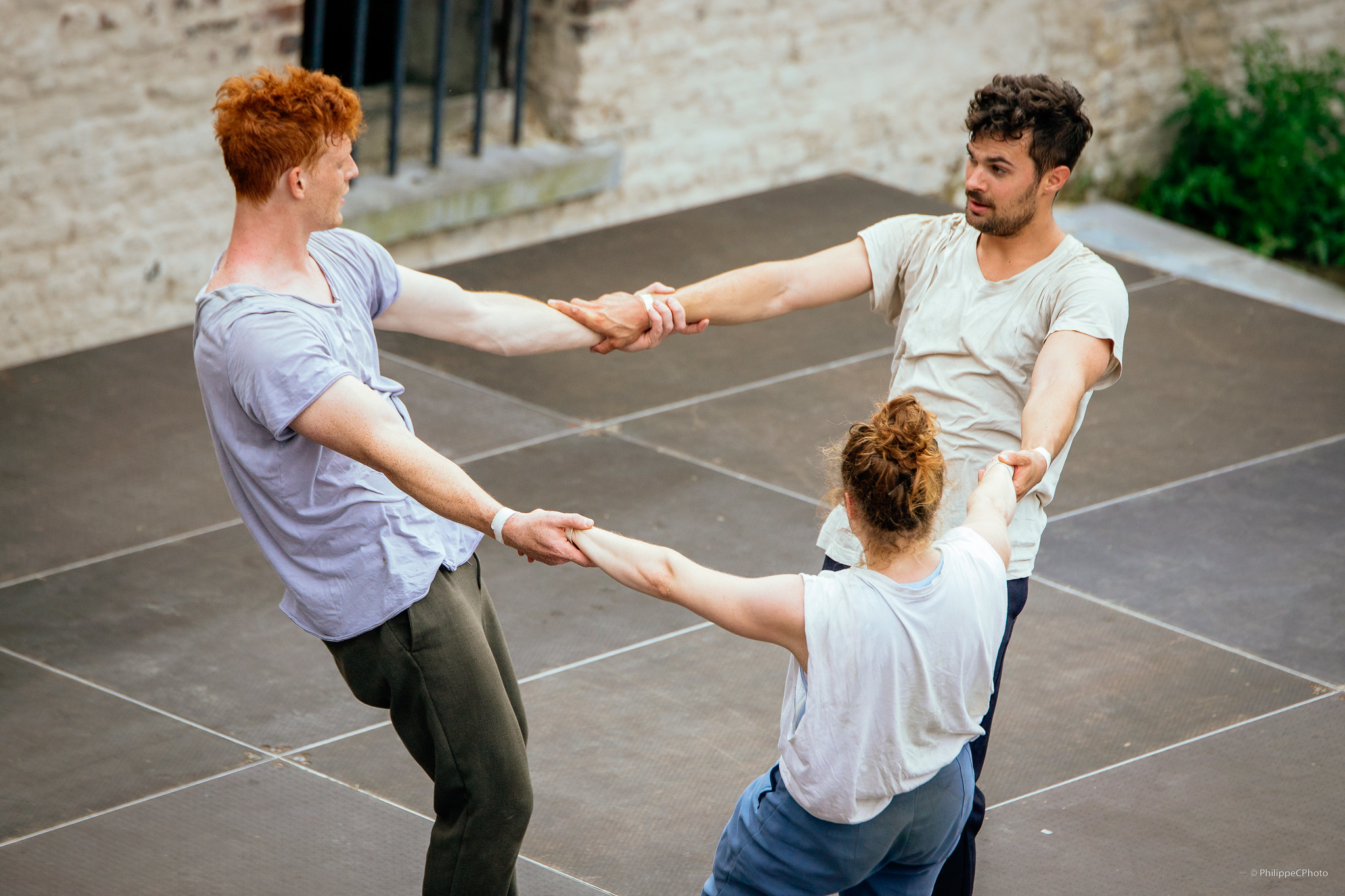
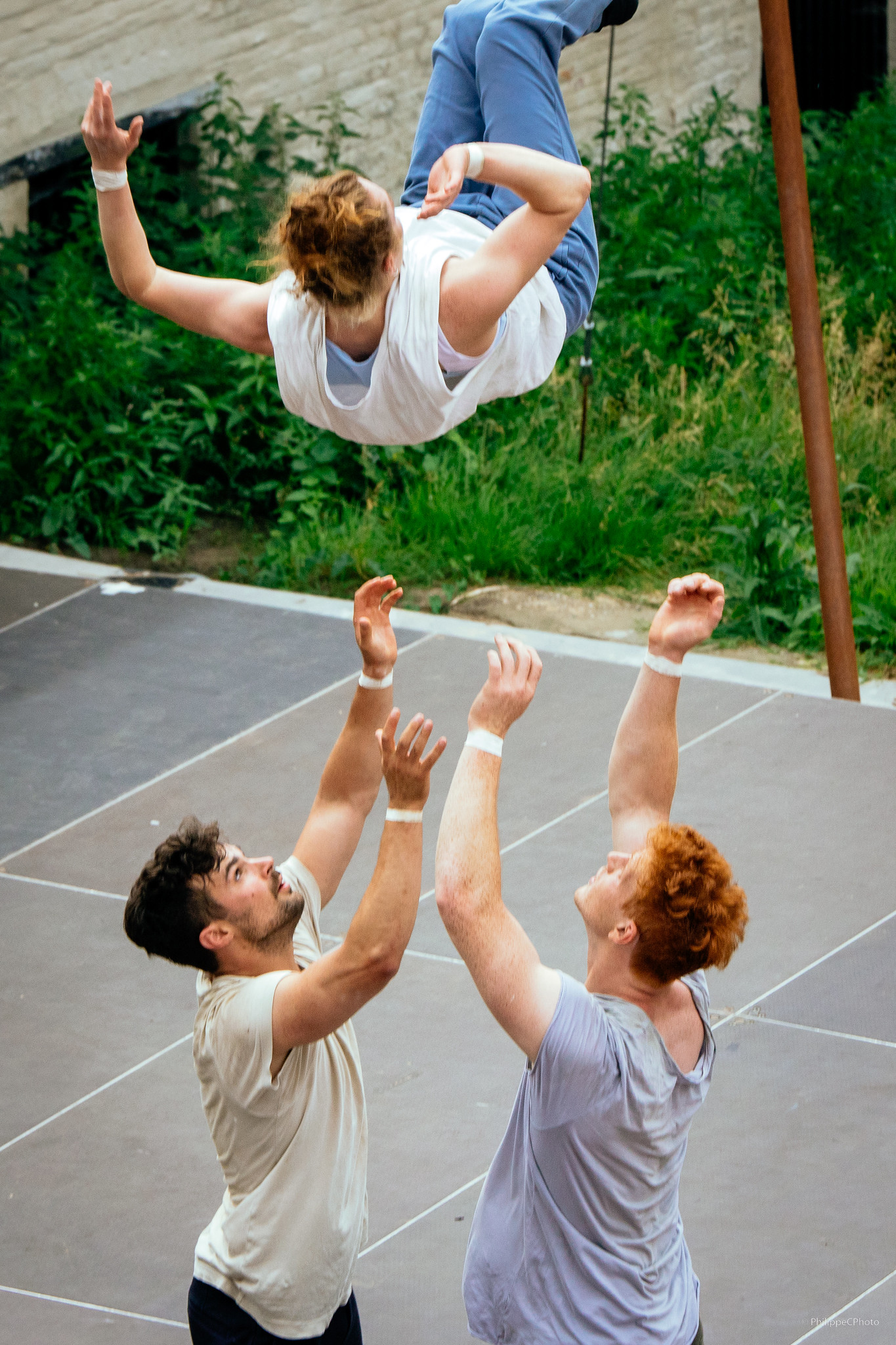
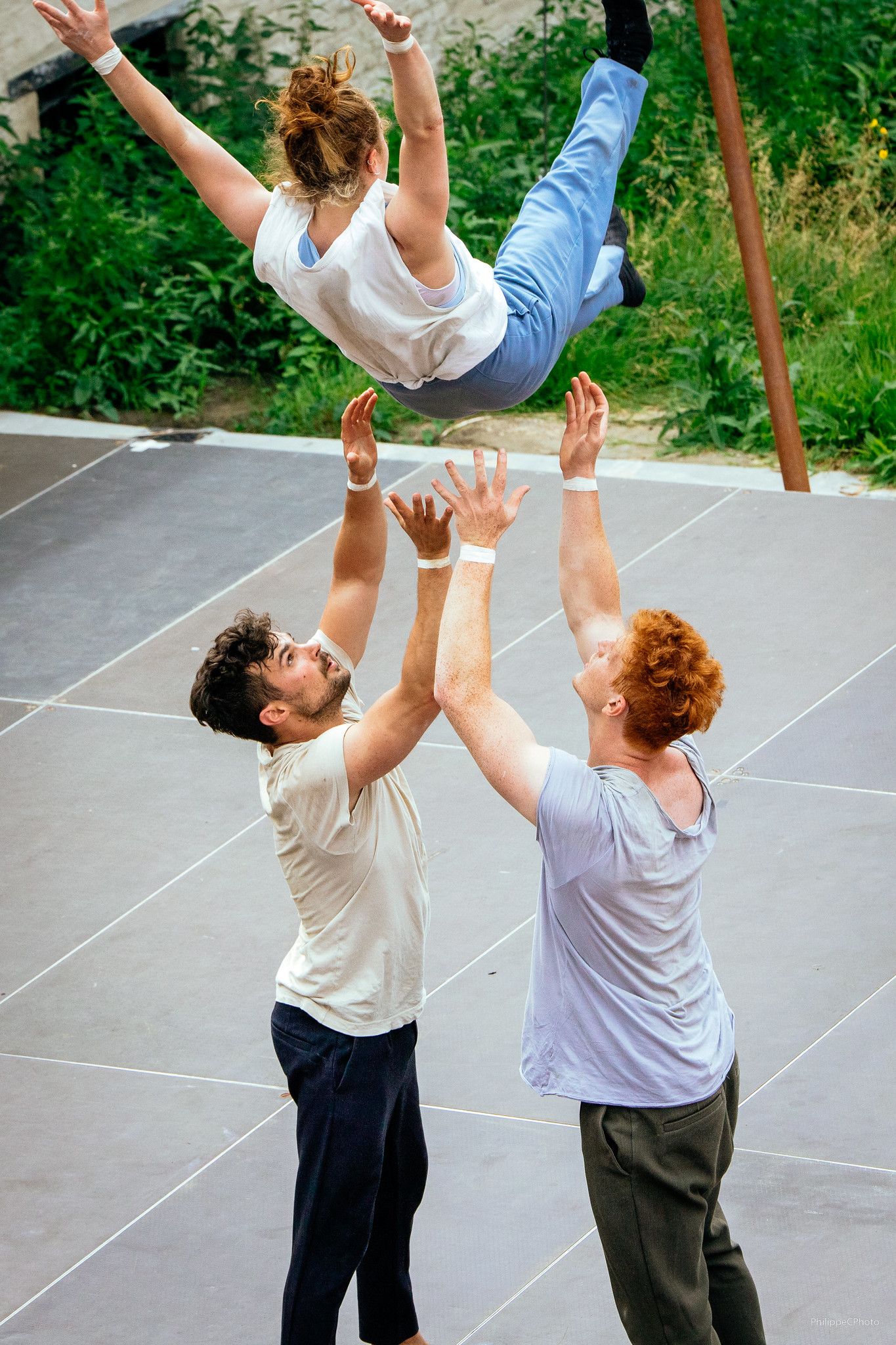
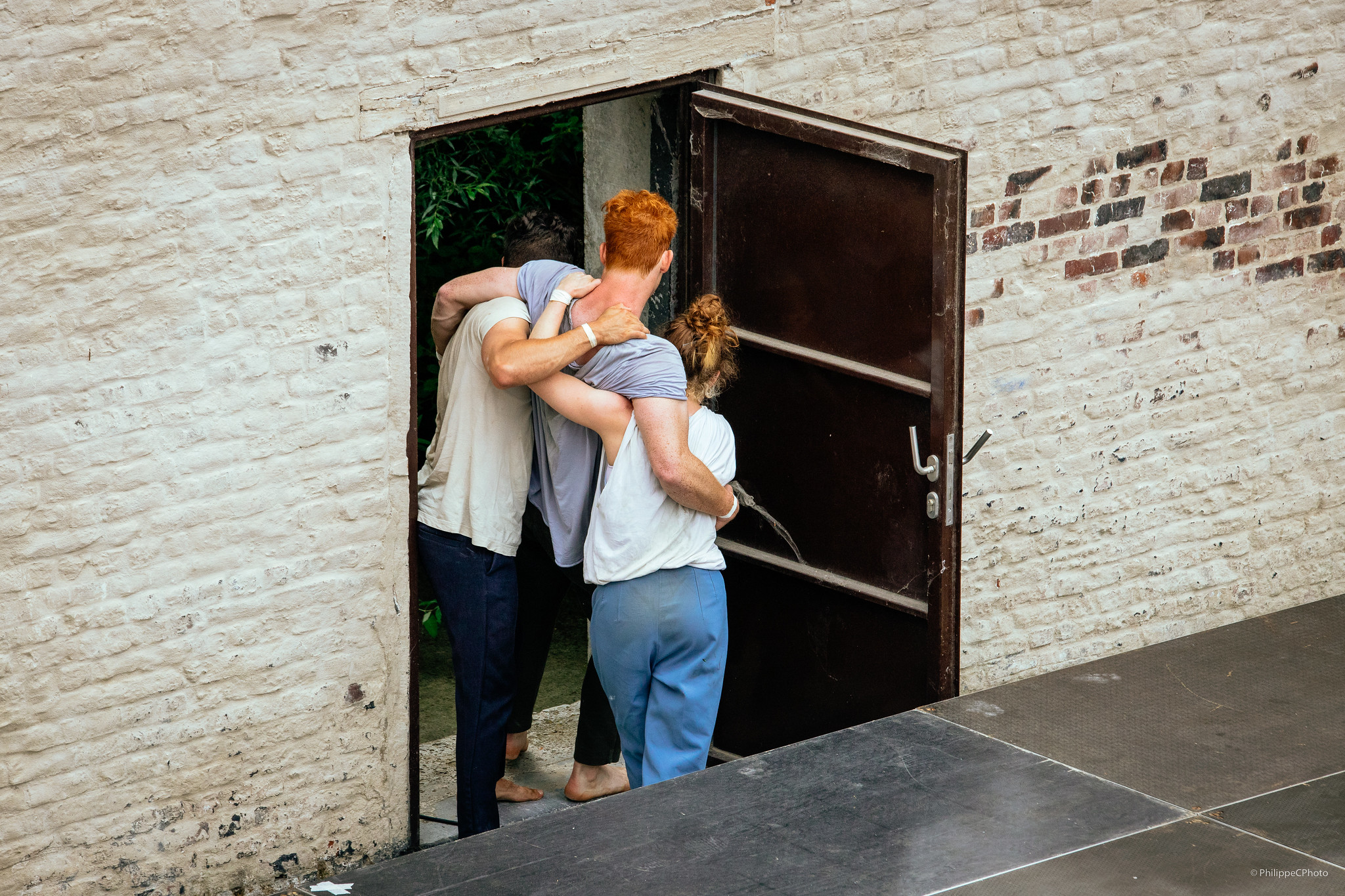
Knot on Hands is a partneracrobatic circus trio created by Britt Timmermans, Mario Kunzi and Tijs Bastiaens. Formed in 2017, they strive to take partner acrobatics into a new direction, where the main focus lies on the physicality between the three bodies. Here they find their common ground, from which point they work to create innovative circus pieces.
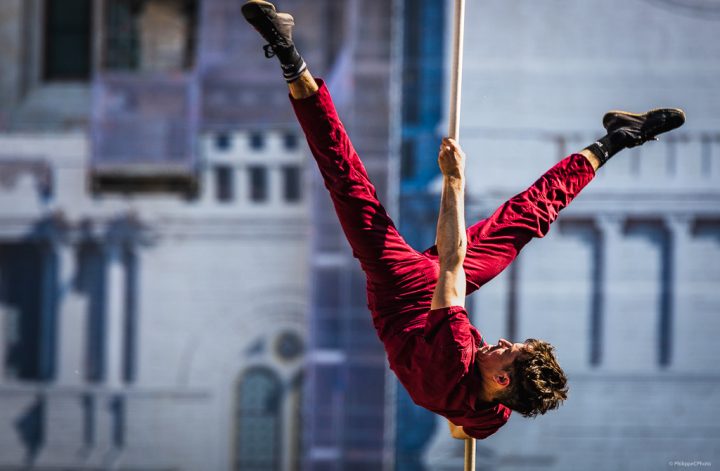
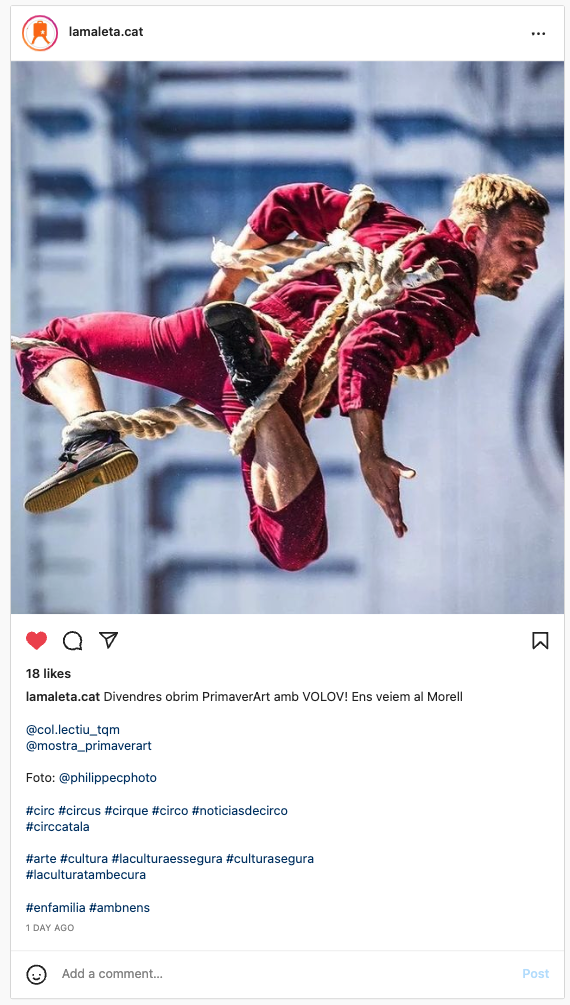
VoloV s’inspire de la pièce classique Les Oiseaux, écrite par Aristophane, dramaturge et comédien grec (448 av. J.-C. – 380 av. J.-C.). Elle raconte l’histoire de deux voyageurs, qui fuient les disputes incessantes qui ont lieu à Athènes. Ils recherchent un monde heureux et libre, avec la paix et l’harmonie entre ses habitants. VoloV est un navire en mouvement constant. Un véhicule qui se déplace d’un paysage à l’autre, à travers l’océan, l’air et même le sable du désert. Le destin est la route et l’utopie est cette ville dans le ciel, à mi-chemin entre les humains et les dieux, dont le dramaturge grec Aristophane parlait déjà il y a 2 400 ans. Un voyage comme chemin vers soi-même, comme un véhicule pour rencontrer les autres. Une métaphore du parcours émotionnel qu’est la vie.
Col.lectiu TQM est né de l’union des artistes Tanja Haupt et Nacho Lopez (Circonautes), Asvin Lopez et Toni Gutiérrez (La Fem Fatal), Mila Martinez et Matias Kruger. Ils sont un collectif d’artistes de longue date et contrastés provenant du cirque, de la musique et de la danse. Des entreprises consolidées qui unissent leur bagage, leur amour de la profession et leurs préoccupations pour présenter VoloV.
HOPLA! est un festival de cirque qui se déploie depuis 2007 sur le territoire de la Ville de Bruxelles. Initialement organisé sur une seule journée, il s’est progressivement développé.
Le festival HOPLA! a pour objectif de bâtir des ponts entre le cirque et la ville, les circassiens et les citoyens, les arts et leur public. Secteur de création en pleine effervescence, le cirque présente une richesse qui correspond bien à la réalité bruxelloise. Convivial, familial, il fédère, décloisonne les genres, les générations et les clivages sociaux. Il invite au dépassement de soi, à l’émerveillement, au respect de l’autre et à la curiosité.
En créant le festival HOPLA! en 2007, la Ville de Bruxelles s’est résolument engagée dans une politique en faveur du secteur des arts du cirque. Convaincue de l’universalité de cet art de la scène, elle a entrepris de le rendre accessible à des publics très diversifiés sur le territoire de la Ville de Bruxelles, via des collaborations avec différents acteurs culturels. Cette notion de lien est centrale au projet de HOPLA!
Ce projet de décentralisation est guidé par la volonté du festival de toucher un public qui ne se déplace pas forcément dans les salles de spectacle ou en festival. Les organisateurs ont particulièrement à cœur de transporter ces spectateurs dans des univers où la narration et l’onirisme, la performance et la précision, l’agilité et la surprise se côtoient. La diversité des genres et des techniques est privilégiée.
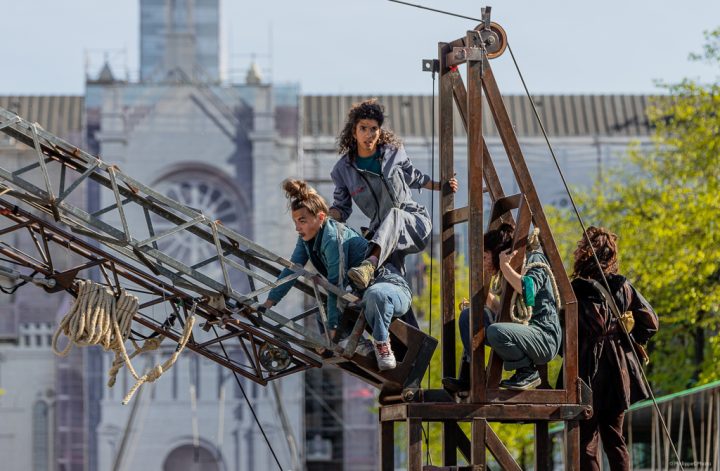
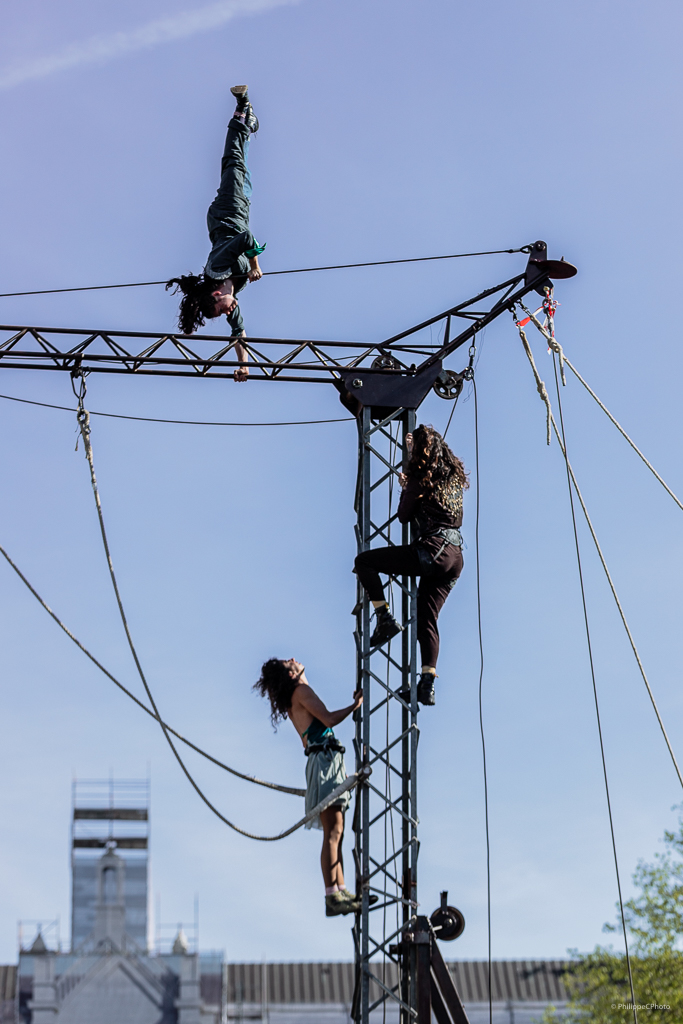
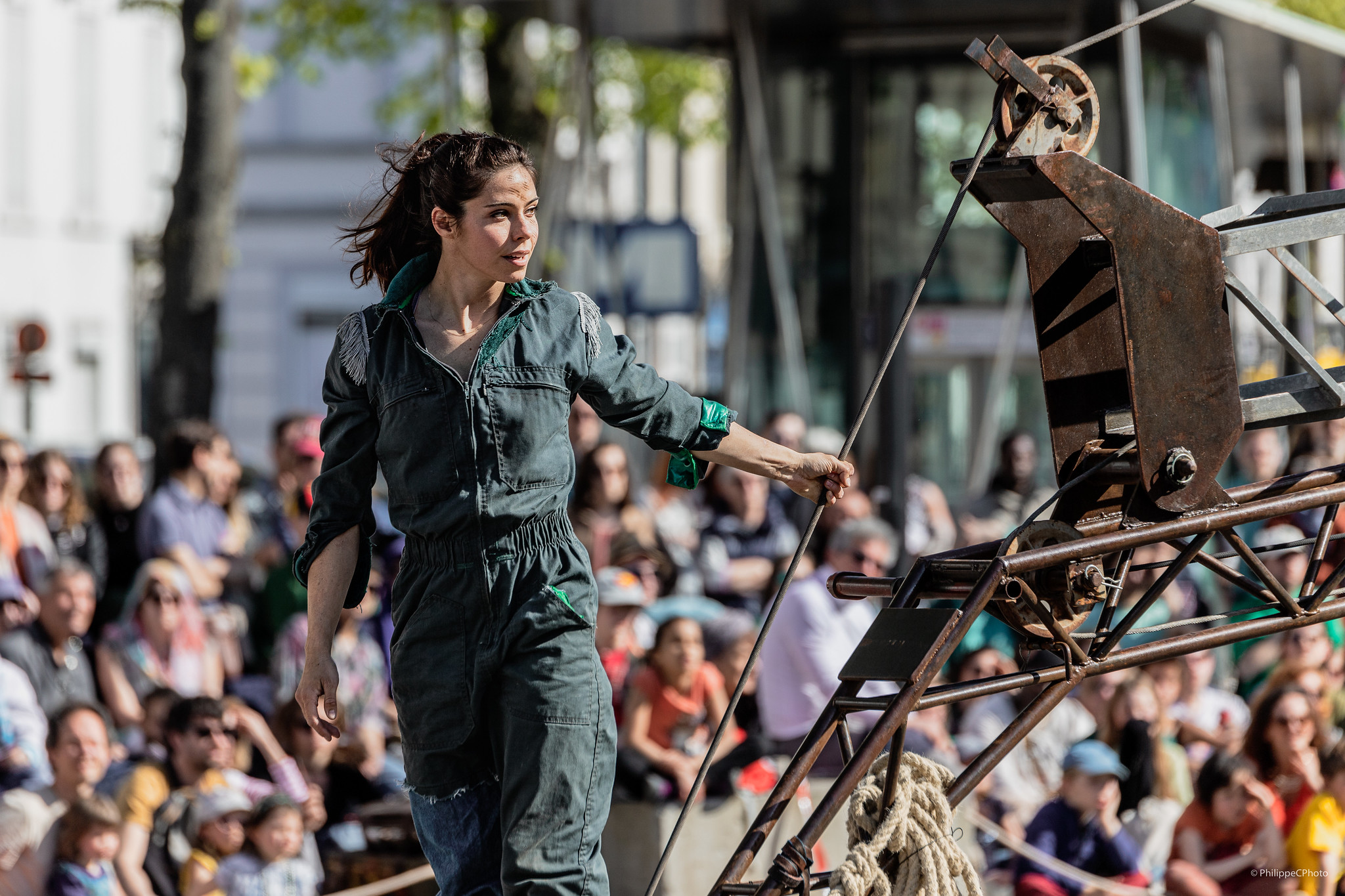
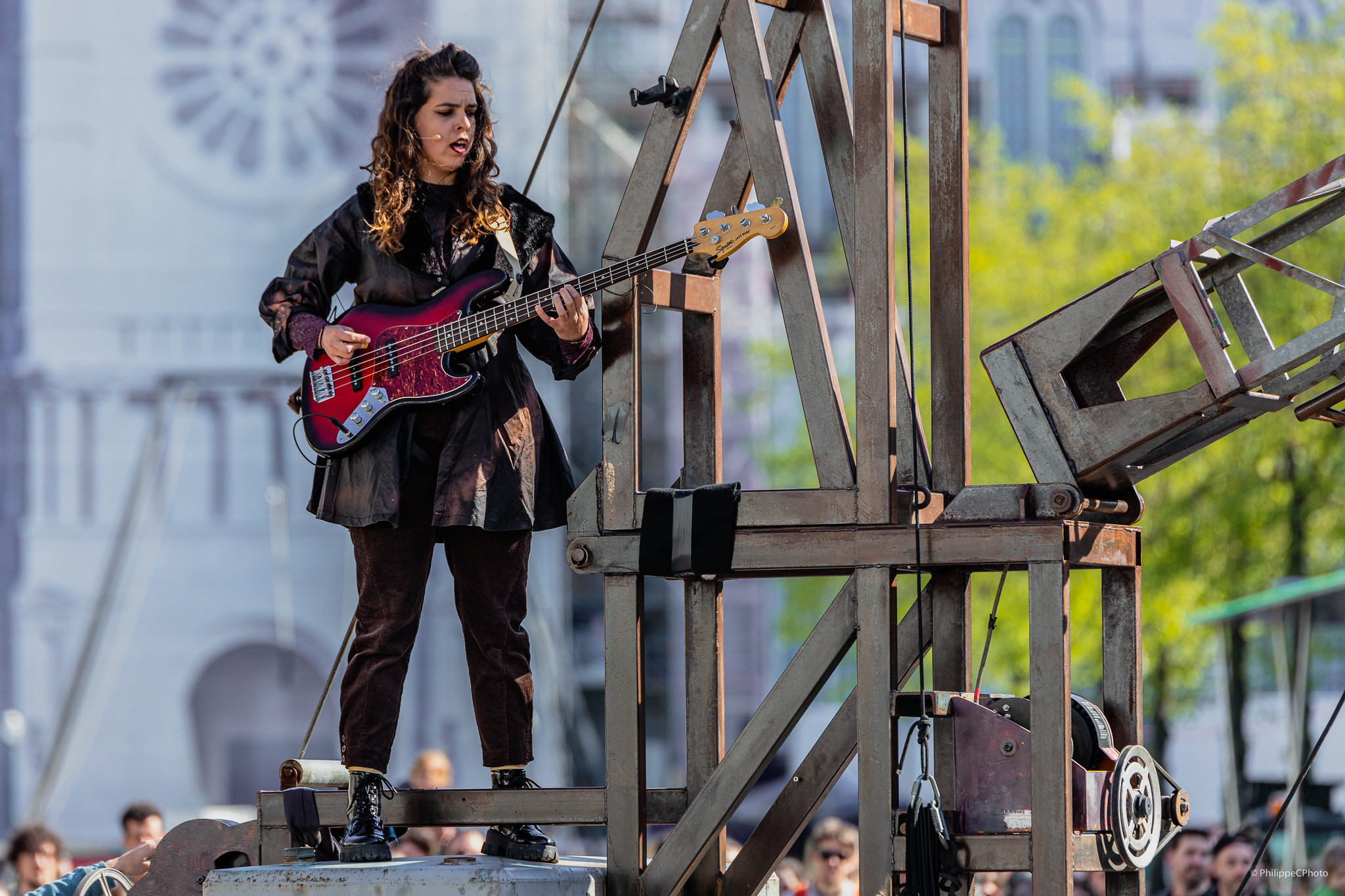
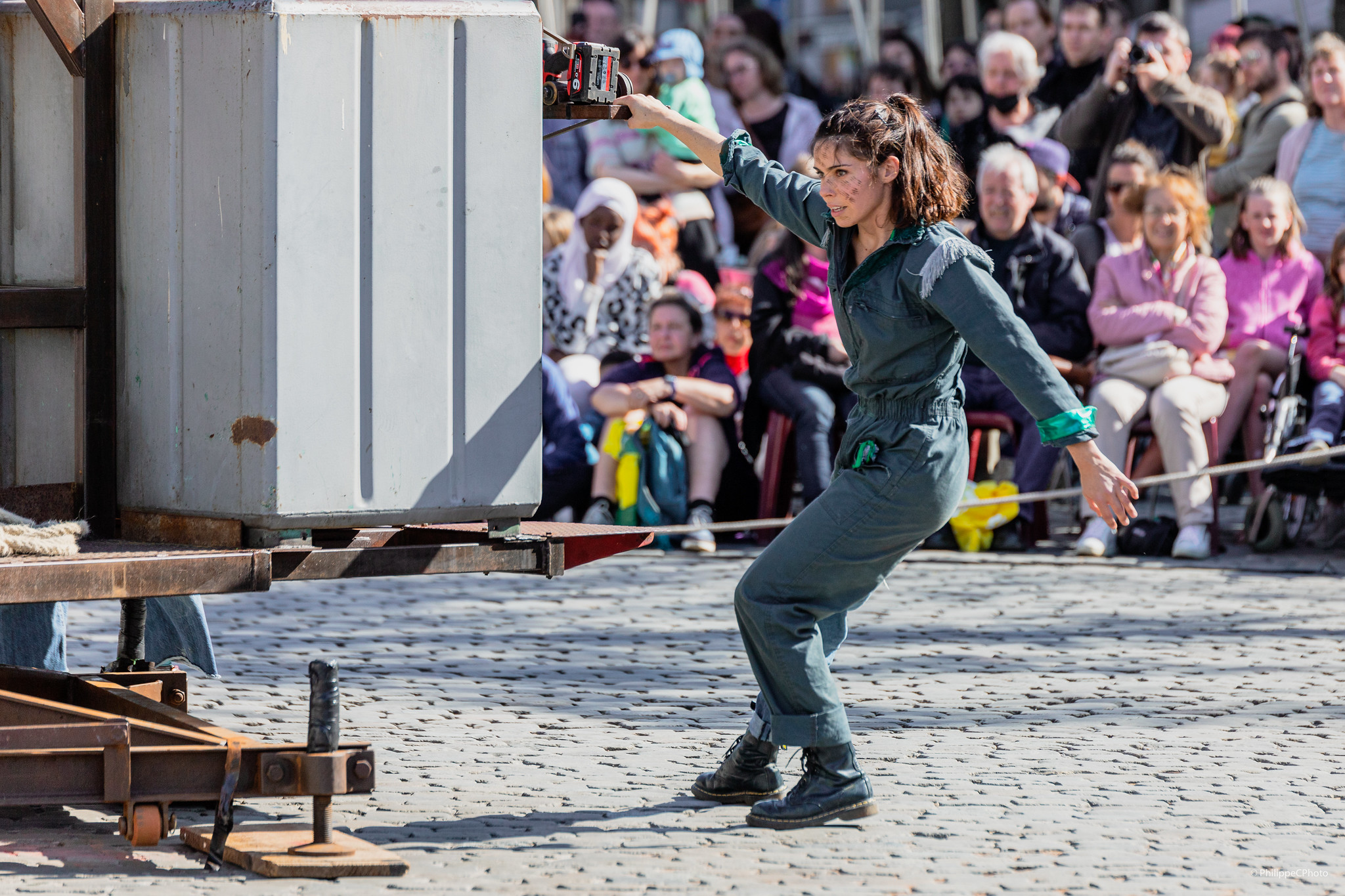
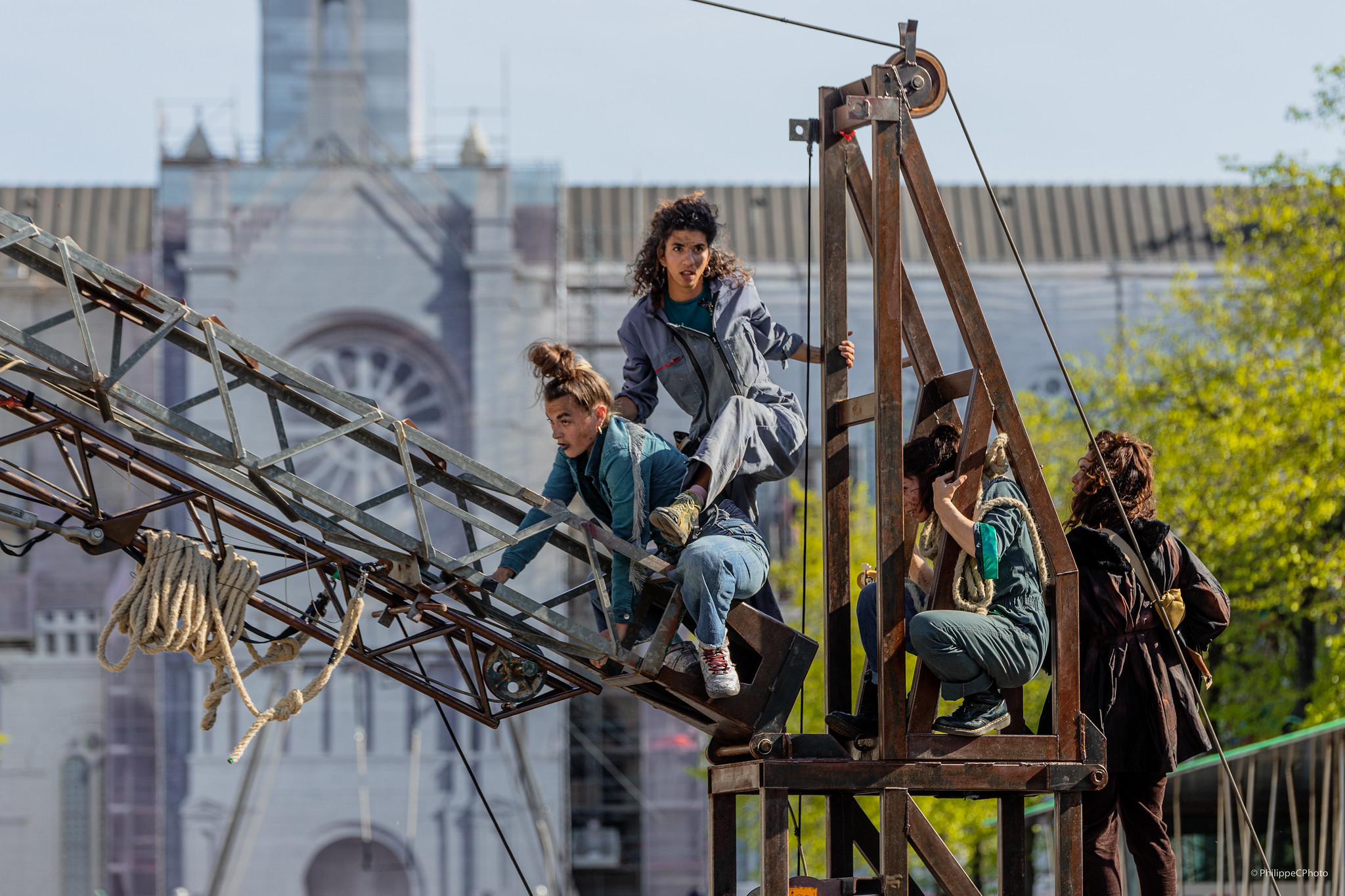
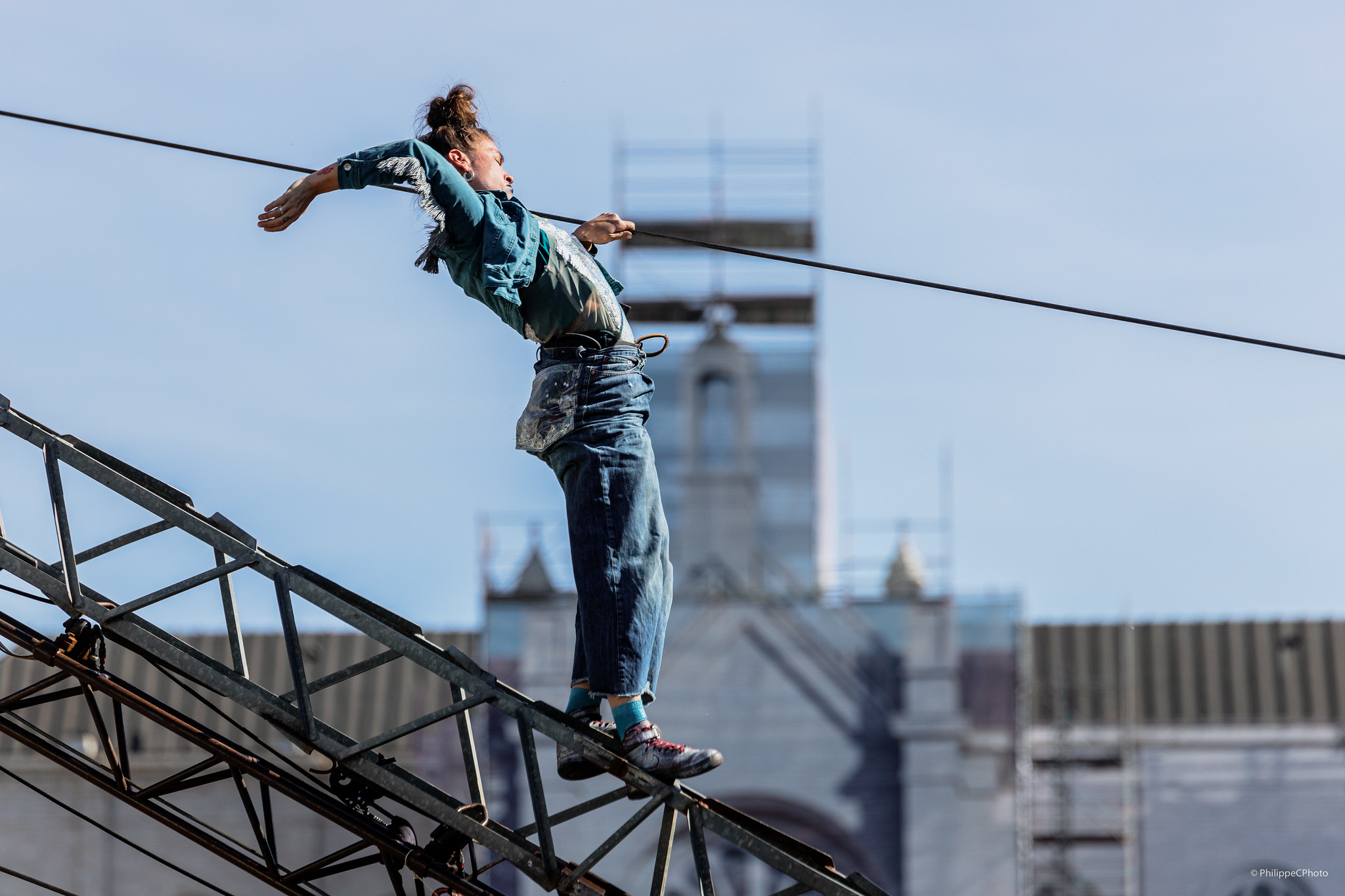
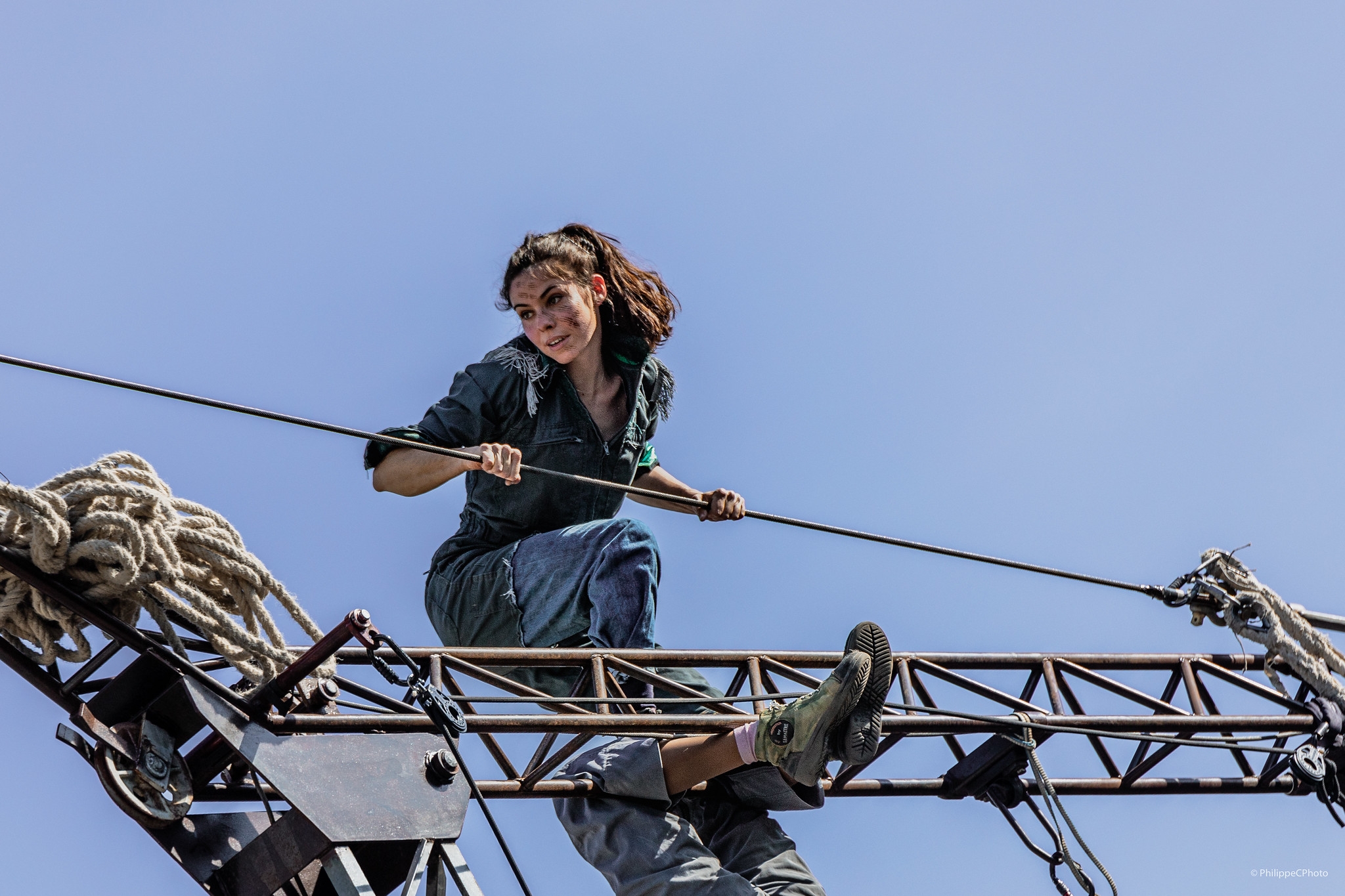
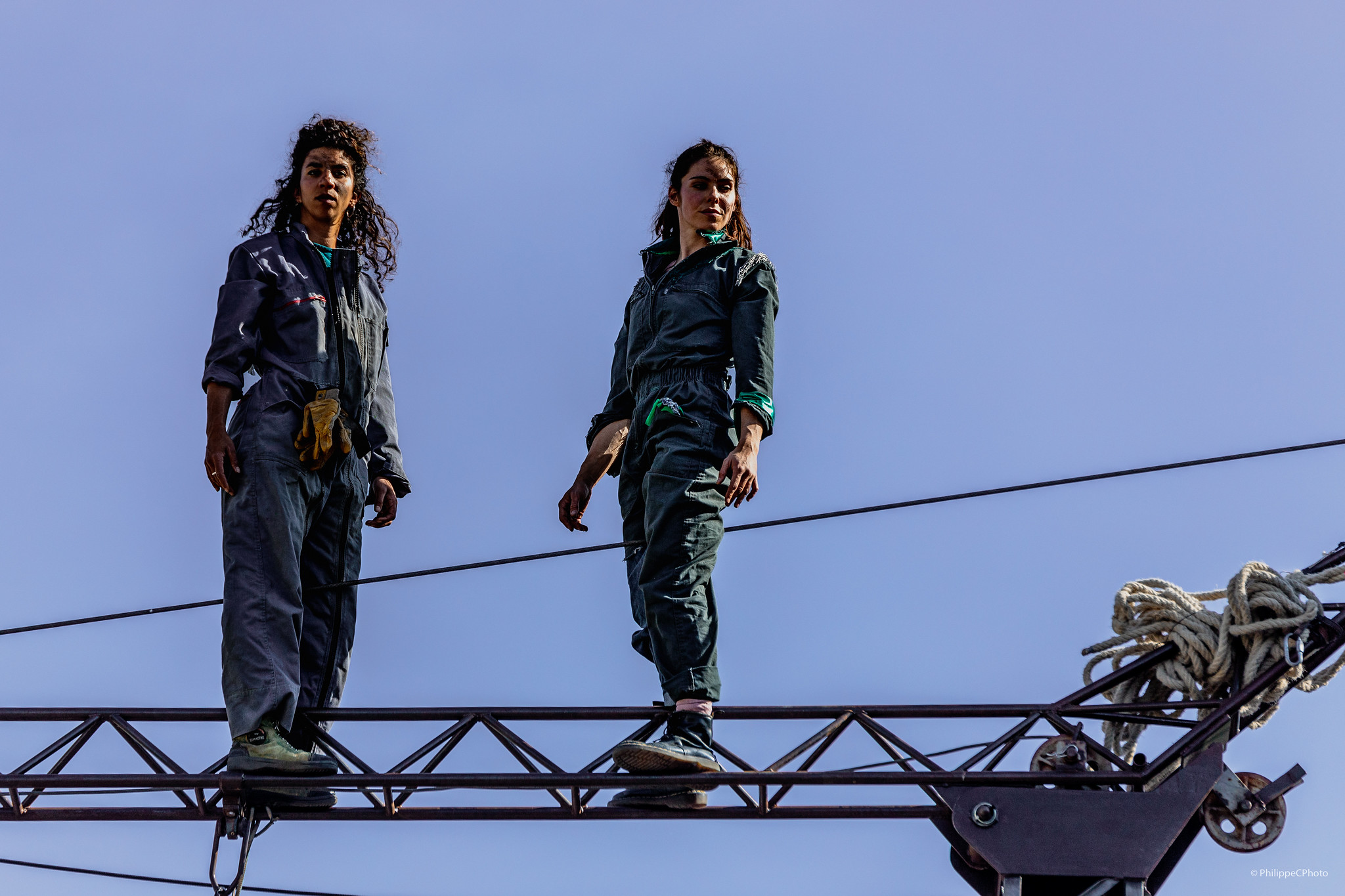
4 femmes se trouvent dans un futur bouleversé. Leur monde a brûlé et cette grue est là, majestueuse et survivante. À la manière d’une marée noire qui s’échoue sur une plage, ces femmes s’accrochent à ce qu’elles peuvent. Leur passé leur colle à la peau mais elles ont un monde à laisser et un autre à refaire. Elles pouvaient être mère, ouvrière, citadine, amoureuse, immigrée ou acrobate. Mais que sont-elles aujourd’hui ? Dans ce décor post apocalyptique, elles questionnent leur avenir, vivantes, enragées, elles se libérent de leurs chaines, pour mieux l’imaginer.
Cameras are equipped with advanced autofocus systems that are often hard to understand. Knowing how to use the autofocus system effectively is essential to get sharp images. A badly-focused, blurry image can ruin a photograph and you cannot fix it in post-processing.
You must keep in mind the fact that autofocus functionality depends on what camera type and model you are using. So you need to learn how your camera’s autofocus is working and practice to master it.
This article is based on “Autofocus Modes Explained” by Nasim Mansurov (photographylife Oct 2020) https://t.ly/4W7d
Manual Focus
You can of course disengage the autofocus system and make the focus using your hand and your eye, sometimes helped by peaking systems. In some situations that will be the only way to get a sharp image, for instance sometimes when there’s a window between you and your subject.
How is Autofocus Working ?
For autofocus systems to function properly, they need an area of high contrast. If you use your camera to focus on a white wall with no texture, or a blue sky without any clouds, your autofocus system will try to focus a few times and eventually give up.
That also means that AF needs light to properly work. If not enough light is reaching the sensor the AF will rapidly struggle to get the focus right, therefore the added value of lenses with a high opening (low F).
Phase Detection AF vs Contrast Detection AF
Phase Detection AF uses a dedicated hardware (an array of microlenses). As light passes through these microlenses, it splits up into a pair of images. The distance between these images is then measured to see how far front or back-focused the subject is.
Contrast Detection AFrelies on software algorithms that “probe” through areas of an image for edge detail.
Some sensors (e.g. Canon DUAL AF) are integrating the microlenses removing the need to have a specific sensor for AF.
DSLR vs Mirrorless Autofocus Systems
In a DSLR (mirro down), a part of the light reaches the AF sensor through the semi-translucent mirror.
In live view (mirror up) the DSLR and the Hybrid cameras are working exactly the same way : The AF is done thanks to the light reaching the main sensor.
Focus Points and AF-Area Modes
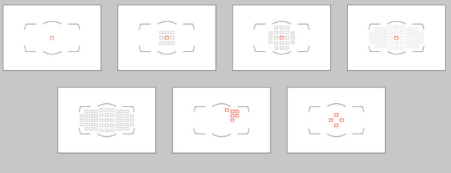
Cameras allows photographers to choose which focus points, the little squares in the viewfinder, will be used by the autofocus system. That can be a single one, e.g. for focusing on an eye in a portrait, a block of them or even all of them.
Autofocus Modes
Single AF (AF-S) / Single Area AF / One-Shot AF Mode
The “Single AF” mode (AF-S) will snap into focus once, and if your subject moves, it won’t reacquire focus even if you continue half-pressing the button. Hence, the focus remains “locked”.
Continuous AF (AF-C) / AI Servo Mode
The AF-C mode will automatically re-adjust focus if you or your subject move. All you need to do is continue half-pressing the shutter button and the autofocus system will automatically track movement and adjust focus.
AF Auto (AF-A) / AI Focus AF Mode
Some cameras also have a mode called “AF Auto” (AF-A) which is basically a hybrid mode that automatically switches between AF-S and AF-C modes. If the camera thinks that the subject is stationary, it switches to AF-S, and if the subject moves, it will automatically switch to AF-C mode.
Face / Eye / Subject Detection
As our cameras are becoming more and more powerful from a computing point of view, new autofocus modes are appearing. For instance, some cameras are now able to detect a face or even eye in a scene and focus on this element. These capabilities are relying on so-called Artificial Intelligence (AI) / Deep Learning (DP).
Back-Button Focus VS Shutter Focus: Which One is Right For You?!
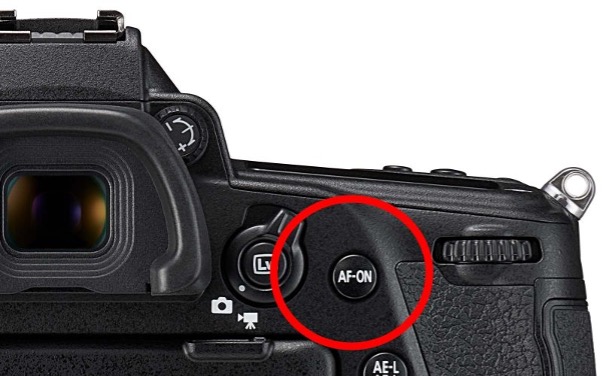
Often referred as “back-button AF,” this feature lets the user customize the camera so that focusing is performed by pressing a rear button. The shutter button still wakes up the camera with a half-press, and fires the shutter with a full press downward.
By separating AF activation from shutter release, it’s possible in some cases to be more effective with AF, and not have the focus thrown off if something momentarily enters the picture area while you’re shooting.
Advantages of using back-button focus are : Easier to lock focus, Easier timing of shots, Less risk of focus error with moving subjects, Easier over-riding of AF with full-time Manual focus and Easier macro and close-up focusing.
I’m always using it for years. In fact, that’s the first default setting I’m changing when using a new camera.
My suggestion : Give it a try for a few photo sessions and then decide what’s best for you.
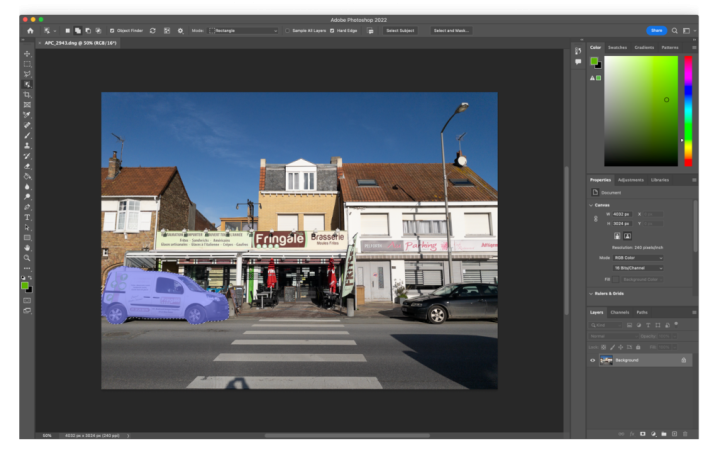
This article is showing you some new functions available in the April 2022 versions of ADOBE Lightroom Classic (LRC) and ADOBE Photoshop (PS), but most of the major photo editing softwares are providing similar or sometimes event better capabilities.
If you’re not using ADOBE, just launch a search on the web for the functions presented here with the name of your software.
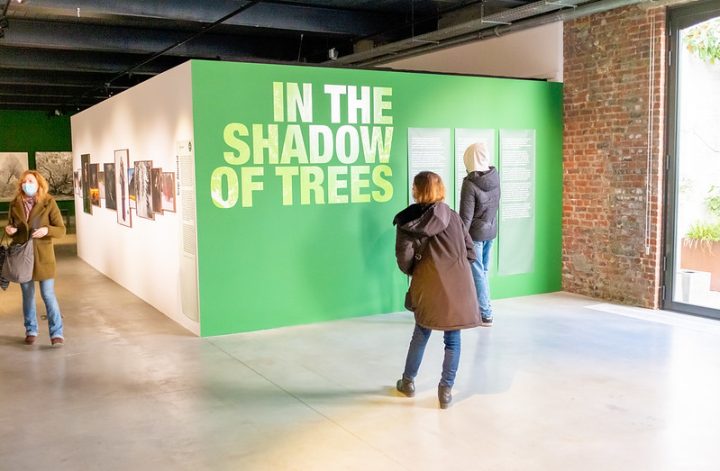
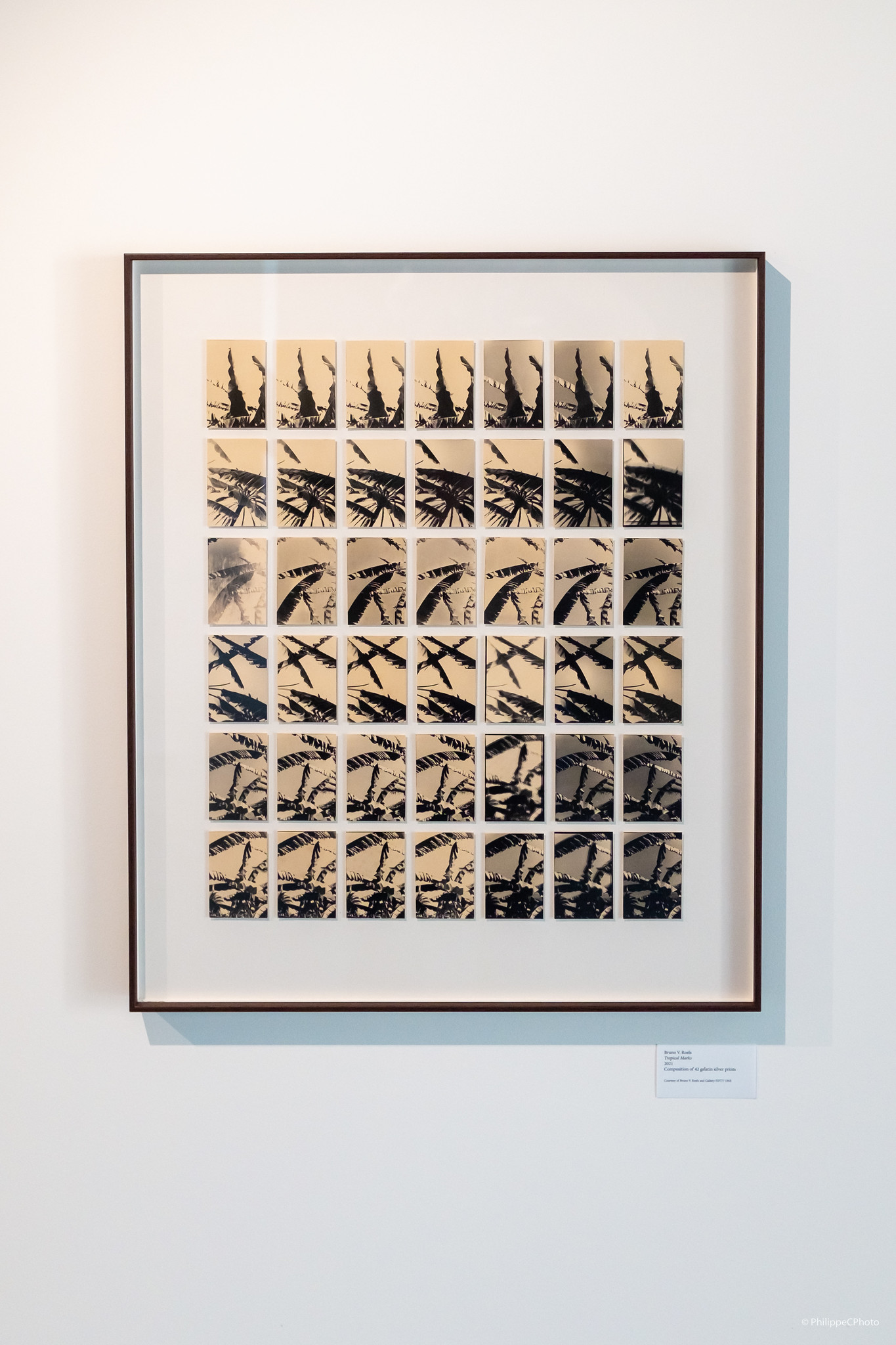
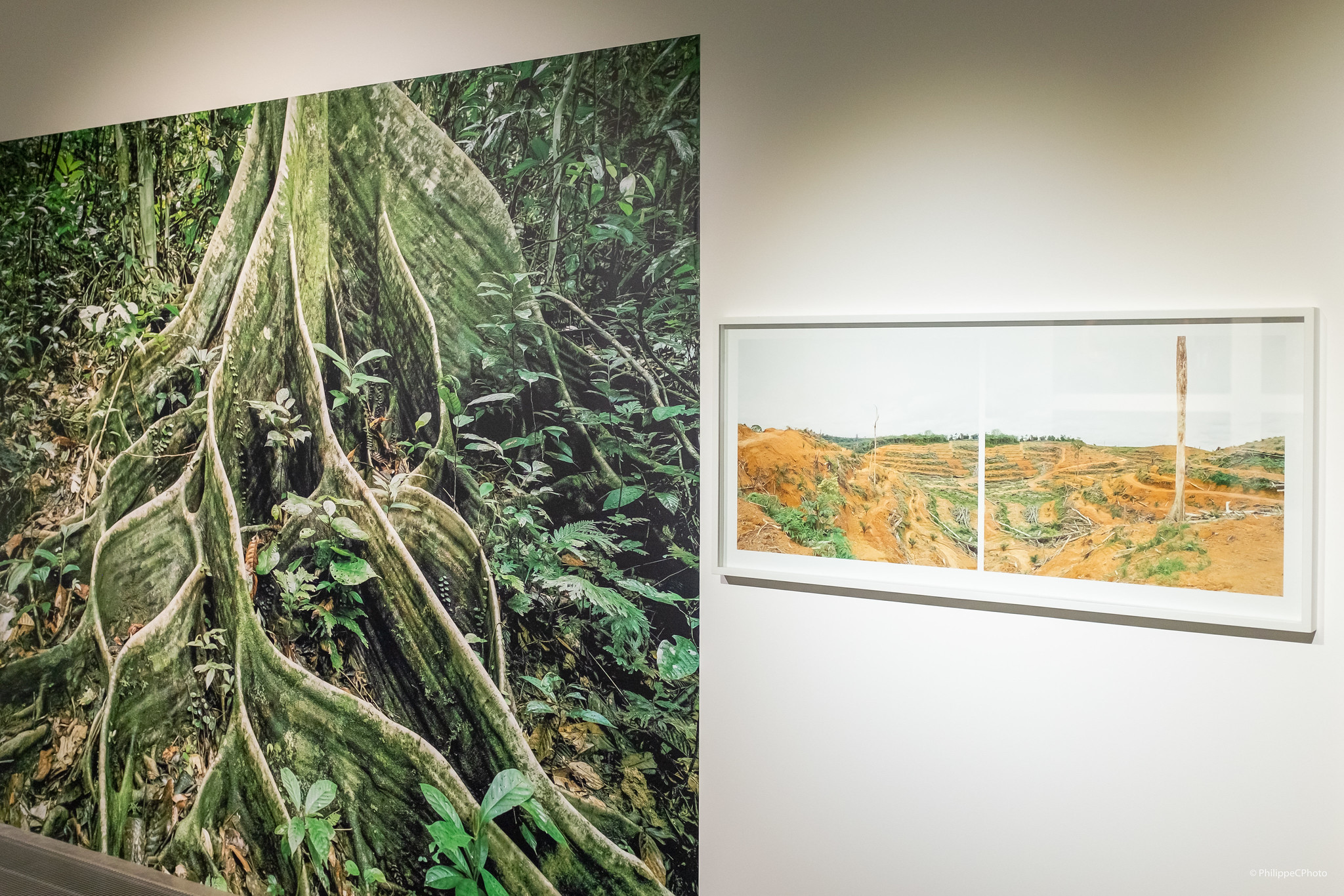
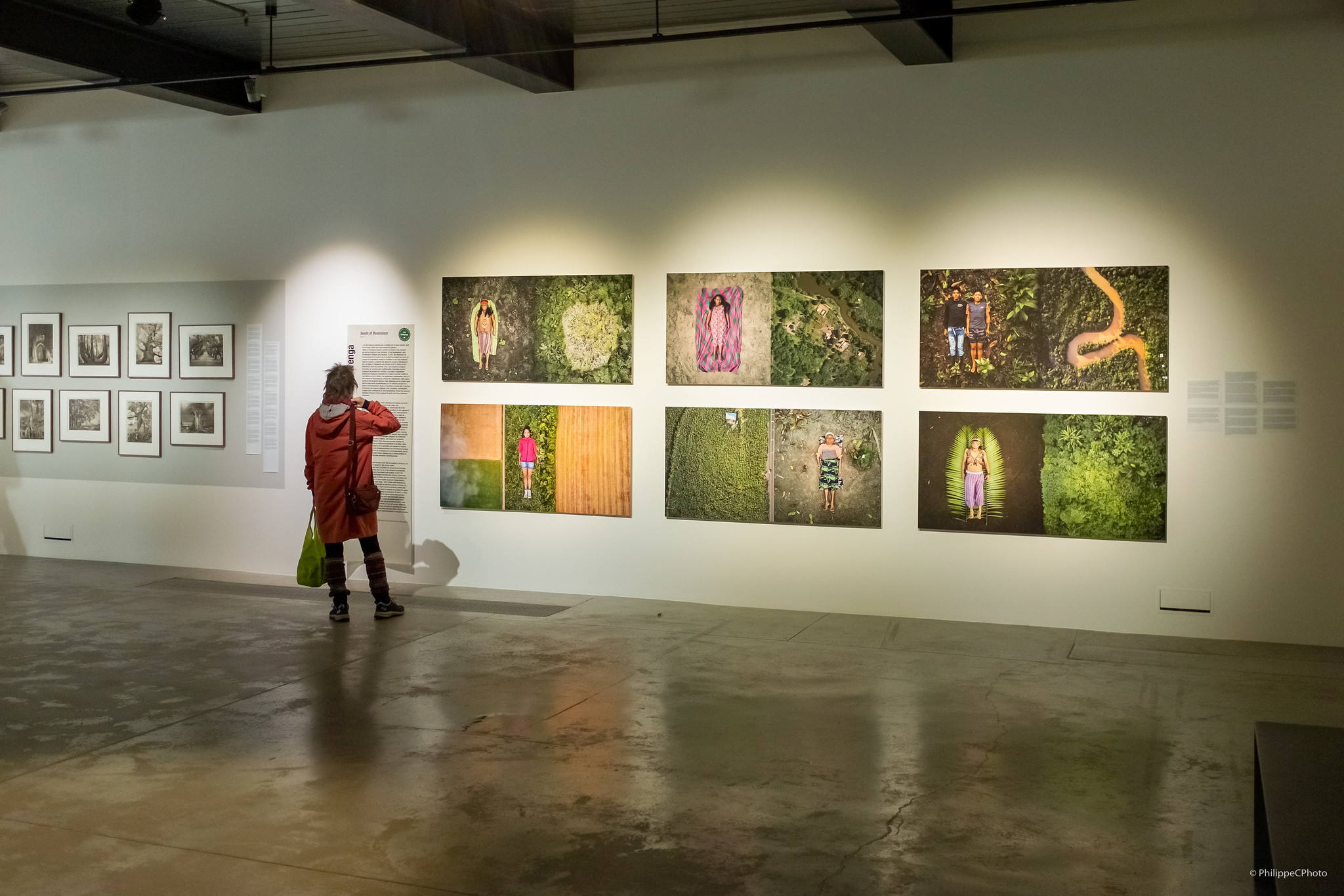
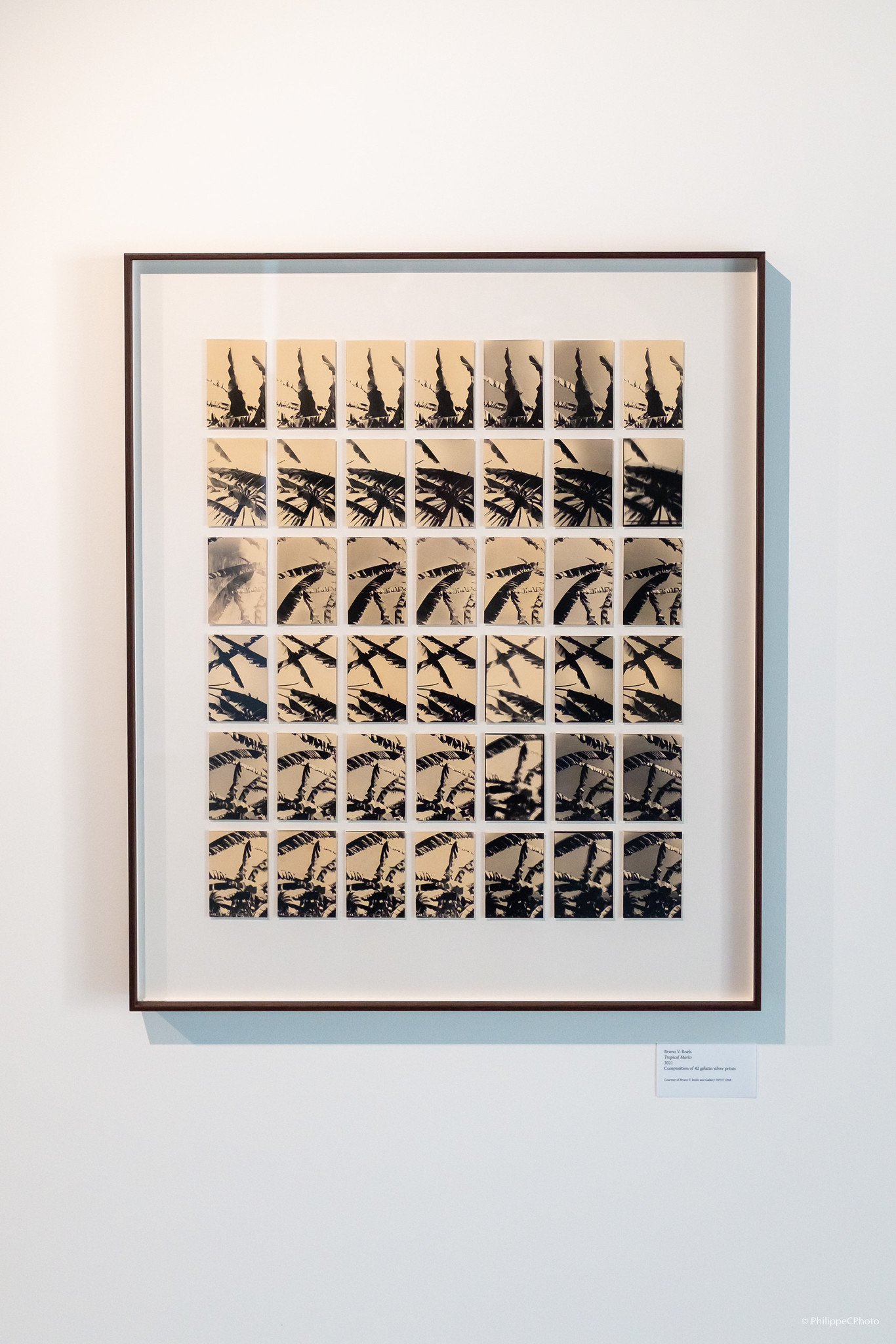
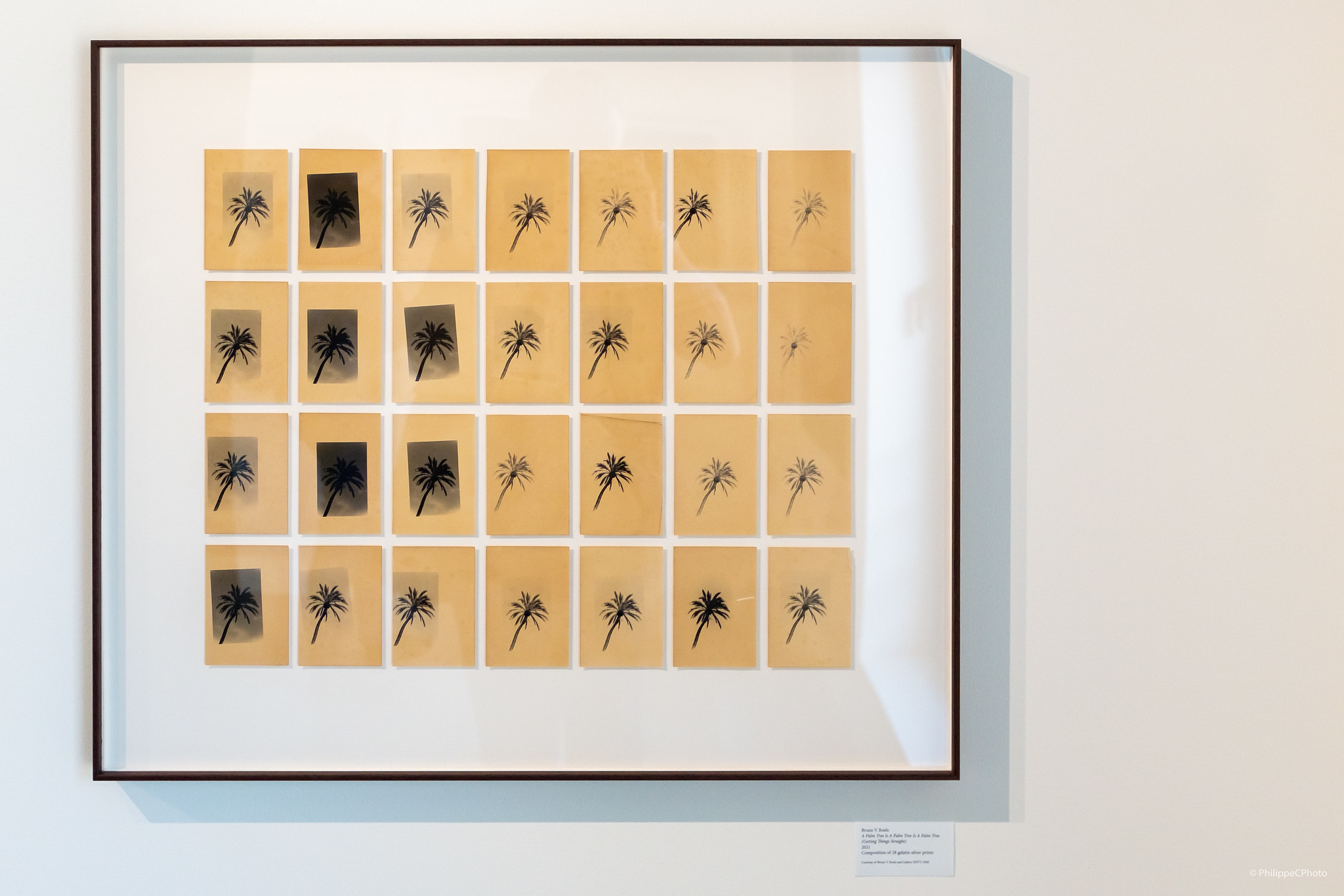
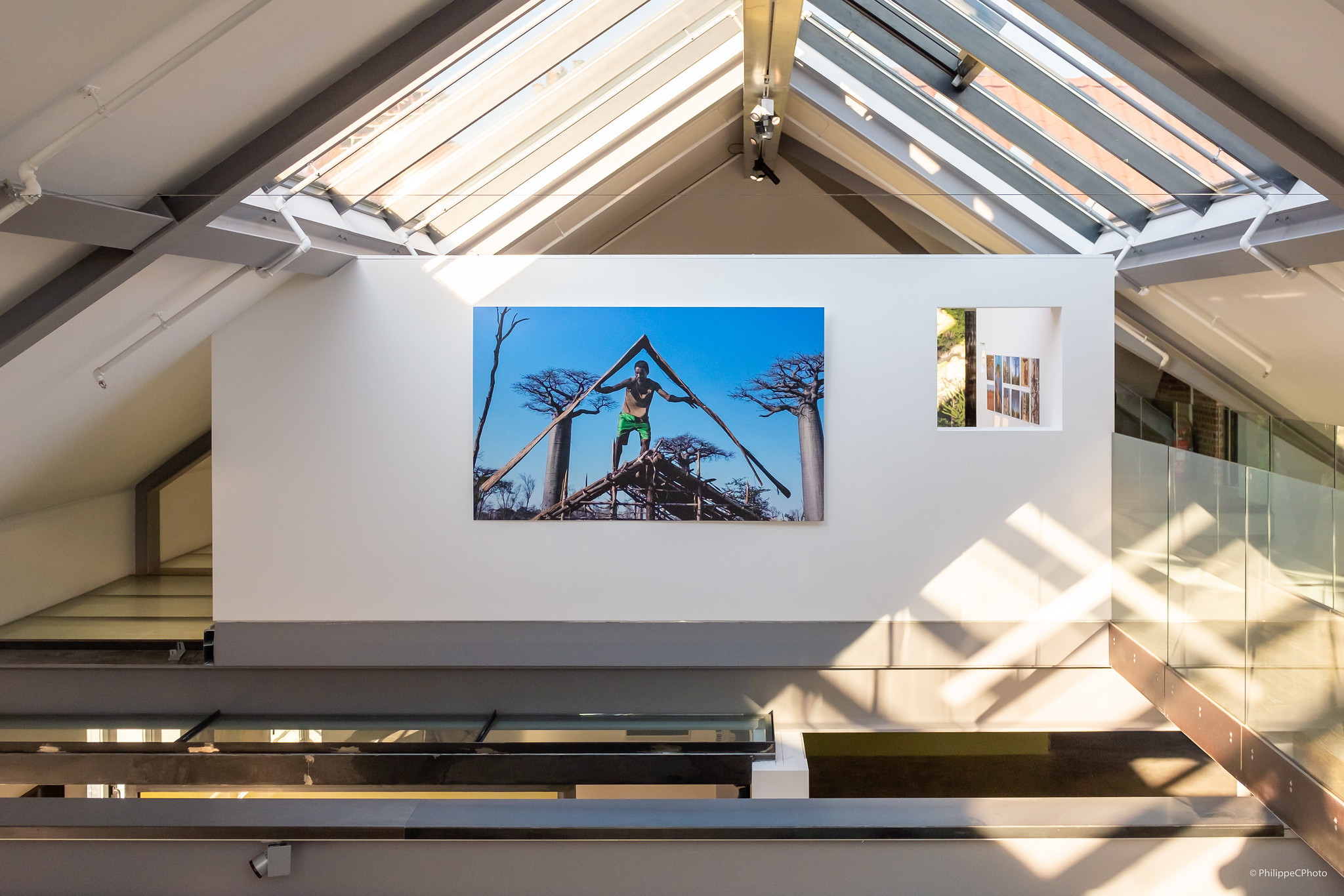
Hangar proposes till March 26th 2022, in the context of PhotoBrussels Festival 06, a large exhibition: In the Shadow of Trees. The exhibition brings together twenty photographic projects.